
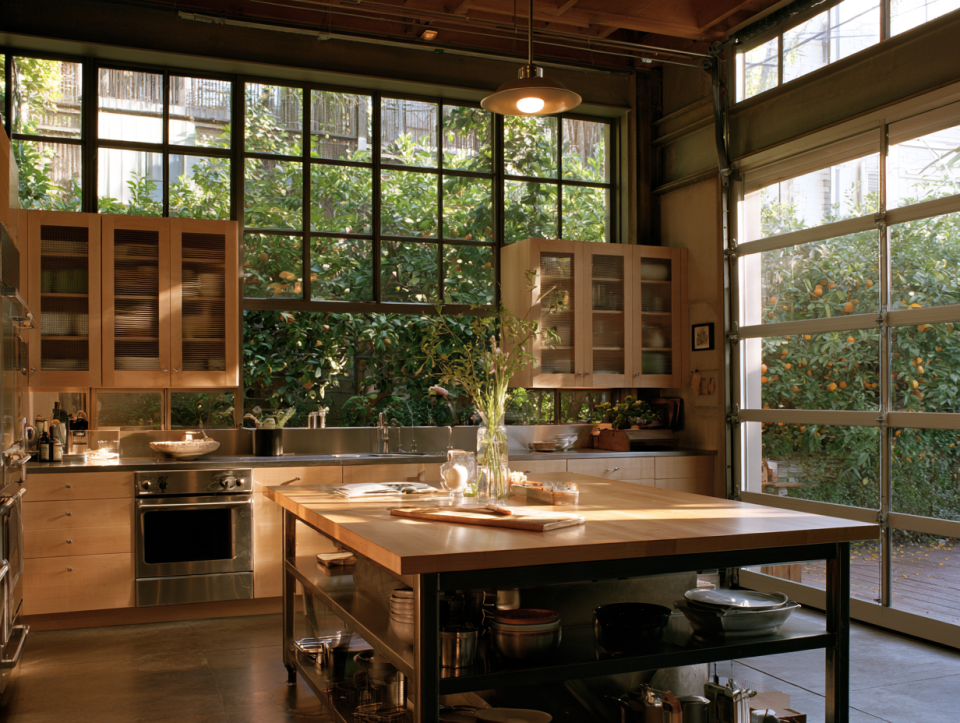
I have seen kitchen styles come and go, but maple kitchen cabinets never seem to lose their place. There is something about maple wood that makes a kitchen feel clean, warm, and welcoming without trying too hard.
The tricky part comes when choosing a finish. Should you keep maple natural, give it a rich stain, or paint it a fresh color?
Each option looks beautiful when new. The real question is how it will look after five, ten, or even fifteen years of cooking, cleaning, and daily use.
In this guide, I’ll compare all three finishes, explain how they age, and help you choose one that will still look good years from now.
Why Maple Cabinets Remain Popular
Maple is a hardwood known for its strength, smooth surface, and fine grain. It has been used in furniture and kitchen cabinets for generations.
One reason homeowners love maple is its flexibility. It works in modern kitchens, traditional homes, and simple farmhouse designs.
Here are a few reasons maple kitchen cabinets remain a smart choice:
- Strong wood: Hard maple handles everyday wear better than many softer cabinet woods.
- Smooth grain: Its fine texture creates a clean, even appearance.
- Flexible finishes: Maple looks attractive with natural clear coats, stains, and paint.
- Timeless style: Simple maple cabinet doors can fit many kitchen designs.
- Long lifespan: Quality maple cabinets can last decades with proper care.
Maple has one feature worth knowing before choosing a finish. Its natural color changes over time, especially when exposed to light.
That change can make some finishes more attractive as they age, while others may need extra care.
Natural Maple Kitchen Cabinets
Natural maple cabinets have a soft, creamy color with subtle grain patterns. Some boards show gentle waves or darker mineral streaks that give the wood character.
A clear protective finish lets those details remain visible.
Natural maple is a great choice for homeowners who enjoy the look of real wood without added color.
How Natural Maple Ages
Fresh maple often starts with a pale cream or light tan shade. Over time, it tends to develop a warmer golden or amber appearance.
Sunlight and indoor lighting can influence this color change. Some clear finishes also turn more yellow as they age.
This change is not usually a sign of damaged wood. It is part of how maple and certain coatings naturally age. The good news is that small scratches may blend into the grain better than they would on a solid painted surface.
Still, natural cabinets are not completely maintenance-free. Water, grease, and harsh cleaners can damage the protective coating.
Pros of Natural Maple
- Shows the natural beauty of maple wood.
- Works well with simple and modern kitchens.
- Minor scratches can be less noticeable.
- Does not have a colored paint layer that can chip.
- Can develop a warm, lived-in appearance.
Cons of Natural Maple
- Color may turn more golden over time.
- Direct sunlight can create uneven color changes.
- Older clear coatings may become yellow.
- Repairing large damaged areas can require professional refinishing.
My take: Natural maple is a strong choice if you enjoy warm wood tones and do not expect the cabinets to stay pale forever.
Stained Maple Kitchen Cabinets
Staining maple is a popular way to give cabinets a deeper or more custom appearance.
You can find maple cabinets in honey, caramel, walnut-inspired brown, espresso, and other shades.
A good stain adds color while allowing some of the wood grain to remain visible. But maple behaves differently from open-grain woods like oak.
Its tight grain and varying density can cause stain to absorb unevenly. This sometimes creates dark patches or a blotchy appearance.
That is why professional preparation matters so much.
How Stained Maple Ages
Stained maple cabinets can age beautifully when finished correctly. Medium-brown stains often handle daily wear well because small marks are less obvious against the wood tones.
Lighter stains may show gradual warming as the maple changes color beneath the finish.
Dark stains can look elegant for years, but scratches sometimes reveal the lighter wood underneath. Sunlight can also change the stain color or create faded areas, depending on the product used.
A quality protective topcoat helps reduce wear, but it cannot stop every change caused by time and light.
Best Stain Colors for Longevity
I would focus on these three options for a kitchen that needs to look attractive for years.
- Medium brown: A practical color that hides minor marks and works with many countertop styles.
- Warm honey: Creates a cozy appearance and blends nicely with maple’s natural color changes.
- Light walnut-inspired brown: Adds depth without making the cabinets look too dark or heavy.
Very dark espresso finishes can still work, especially in larger kitchens. Just expect fingerprints, dust, and scratches to stand out more.
Pros of Stained Maple
- Offers more color choices than natural maple.
- Keeps the wood grain partly visible.
- Medium tones can hide everyday wear.
- Works with classic and transitional kitchens.
- Can make maple look warmer and richer.
Cons of Stained Maple
- Uneven staining can create blotches.
- Deep scratches may expose pale wood.
- Matching the original stain during repairs can be difficult.
- Dark finishes often show dust and fingerprints.
My take: Medium-stained maple cabinets offer one of the best balances between beauty, practical care, and long-term appearance.
Painted Maple Kitchen Cabinets
Painted maple kitchen cabinets are perfect for homeowners who want a smooth, colorful finish. Maple’s fine grain makes it a popular choice for painted cabinet doors. It does not have the deep grain texture found in oak.
White, cream, sage green, navy blue, and soft gray are all common paint choices. Paint also makes it easier to coordinate cabinets with walls, countertops, and kitchen hardware.
The main concern is how that smooth surface handles everyday use.
How Painted Maple Ages
Painted maple can remain attractive for many years when the surface is prepared correctly and coated with durable cabinet-grade products.
Still, paint creates a solid color layer over the wood. Chips around handles, scratches near drawers, and worn door edges can become noticeable with time.
On white cabinets, grease and stains may stand out more. Some paint products can also yellow as they age.
Another issue is wood movement. Maple expands and contracts as indoor moisture levels change. On doors with solid wood frames, this movement may cause fine paint lines around joints.
These lines are often cosmetic, but they can affect the appearance of a flawless painted finish.
Pros of Painted Maple
- Creates a smooth, clean appearance.
- Offers many color options.
- Matches modern and traditional kitchen designs.
- Can make smaller kitchens feel brighter.
- Small paint chips may be touched up when matching paint is available.
Cons of Painted Maple
- Chips and scratches can expose the wood.
- White finishes show grease and dirt easily.
- Paint may develop fine lines at door joints.
- Color trends may change before the cabinets wear out.
My take: Painted maple looks beautiful, but it usually needs more attention to keep that freshly finished appearance.
Which Maple Finish Ages Best?
Now comes the big question.
Each finish offers different benefits, but some are easier to live with over time.
| Feature | Natural Maple | Stained Maple | Painted Maple |
| Color changes | Warms with age | Depends on stain and light | Paint may discolor |
| Scratch visibility | Often less noticeable | Low to moderate in medium tones | Often more noticeable |
| Daily cleaning | Easy | Easy | Easy, but marks may show |
| Touch-up difficulty | Moderate | Moderate to high | Often easier for small chips |
| Long-term style | Warm and timeless | Classic and flexible | Depends on color choice |
For most busy kitchens, medium-stained maple cabinets are my favorite for long-term appearance.
They offer natural wood character while helping small scratches and marks blend in.
Natural maple comes very close, especially for homeowners who appreciate the way real wood changes over time.
Painted maple is still a good option. It simply requires more care around high-use areas. Keep in mind that finish quality matters more than the color alone. A poorly applied stain can fail sooner than a professionally painted cabinet.
How Long Do Maple Cabinets Last?
Well-built maple cabinets can last 20 to 30 years or longer. Some remain useful for several decades. Their actual lifespan depends on more than the finish.
Cabinet construction, hardware quality, moisture exposure, cleaning habits, and the protective coating all play important roles.
Solid maple doors paired with well-built cabinet boxes can provide excellent durability.
A cheaper cabinet with a thin finish may begin showing problems much sooner. I would rather invest in strong construction and a high-quality finish than choose an expensive color with poor materials underneath.
How To Protect Maple Cabinets
No cabinet finish stays perfect without basic care. The good news is that maintaining maple kitchen cabinets does not require complicated products or expensive treatments.
A few simple habits make a real difference.
Clean With Gentle Products
- Use a soft cloth with mild soap and water to remove daily dirt.
- Avoid abrasive scrubbers, strong degreasers, and harsh chemical cleaners that can damage cabinet coatings.
- Dry the surface after wiping it.
Control Kitchen Moisture Levels
- Steam from dishwashers, cooking, and boiling water can affect cabinet finishes.
- Use your range hood when cooking and repair water leaks quickly.
- Do not leave wet towels hanging over cabinet doors.
Limit Direct Sunlight Exposure
- Strong sunlight can change maple’s color and affect certain stains and clear coatings.
- Window shades or UV-filtering treatments may help reduce uneven fading.
Repair Small Damage Early
- A tiny chip is easier to manage than a large damaged area.
- Keep the original finish information and touch-up materials whenever possible.
For major damage, professional refinishing may produce better results than a quick home repair.
Choosing Your Ideal Maple Finish
Before picking a finish, think about the way your kitchen is actually used. A busy family kitchen has different needs from a small kitchen used mainly for light cooking.
- If you love natural materials, clear-finished maple is a beautiful option. Its warm color changes can add character over time.
- If durability of appearance is your main concern, medium-stained maple is worth considering.
- If your goal is a bright kitchen with a specific color scheme, painted maple gives you more design freedom.
My advice is to bring home actual finish samples before deciding. Place them near your countertops and check them in morning and evening light.
A color that looks perfect in a showroom can feel completely different in your kitchen.
Final Thoughts: My Favorite Finish
There is no single finish that works best for every kitchen. But if I were choosing maple kitchen cabinets for a home I planned to enjoy for the next fifteen years, I would lean toward a medium-brown stain with a quality protective topcoat.
It offers warmth, hides everyday wear reasonably well, and does not depend on a trendy paint color.
Natural maple would be my second choice for its simple beauty and character.
Painted maple is ideal when color matters most, especially if you are comfortable with occasional touch-ups.
The most important lesson is simple: Choose the finish you can enjoy as it ages, not just the one that looks perfect on installation day.
