
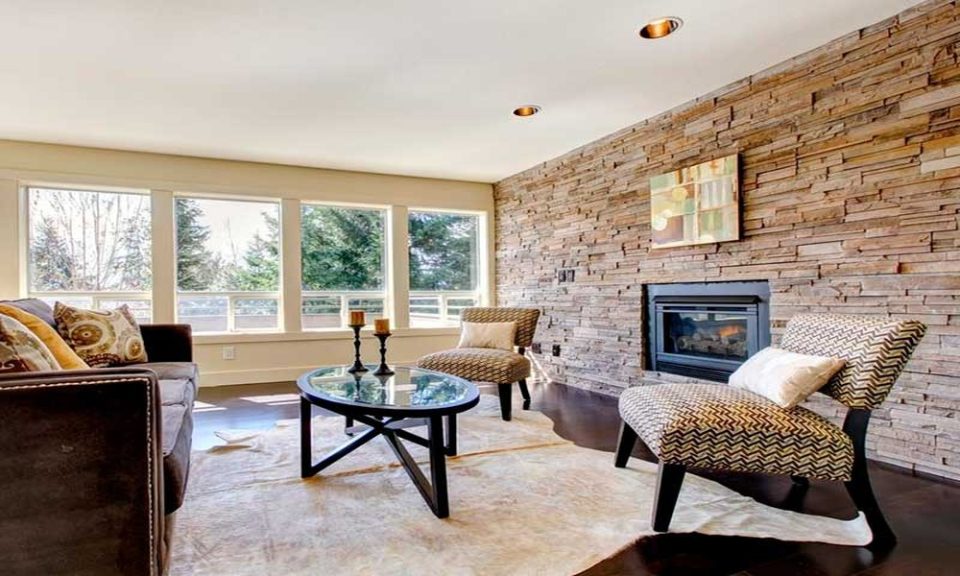
Interior design often comes down to one challenge: how to add character without making a space feel forced or overly expensive. Many homeowners want texture, warmth, and a more finished look, but natural materials can quickly push a project beyond budget. That is one reason faux stone wall panels for interior design have become such a practical and appealing option.
These panels offer the visual impact of real stone while avoiding many of the drawbacks that come with natural masonry. They are lighter, easier to install, more budget-friendly, and flexible enough to work across many different styles. Whether the goal is to create a dramatic accent wall, bring more depth into a living room, or add a rustic touch to a modern home, faux stone panels can help deliver that effect without the heavy cost or complicated installation process.
They are also useful because they solve more than one design problem at once. A blank wall can become a focal point. A flat room can gain texture. A dated area can feel updated with one material change rather than a full renovation.
This guide explores why faux stone wall panels are worth considering, how to choose the right style, what to know before installation, and how to keep them looking polished over time.
Why Faux Stone Wall Panels Appeal to So Many Homeowners
The popularity of faux stone panels is not just about appearance. Their appeal comes from how well they balance beauty, practicality, and affordability.
Natural stone has undeniable charm, but it also comes with high material costs, more involved labor, and structural considerations because of its weight. Faux panels offer a different approach. They are designed to imitate stone visually while being far easier to manage during a renovation or room refresh.
That combination makes them attractive to a wide range of homeowners. Some choose them because they want the look of stone without a major construction project. Others appreciate the flexibility they offer in design. In both cases, the result is often the same: a room that feels more layered, intentional, and visually interesting.
When people start exploring faux stone wall panels for interior design, they often realize the material can fit far more spaces than expected, from entryways and fireplaces to bedrooms, dining rooms, offices, and entertainment walls.
The Cost Advantage Without the Flat Look
One of the biggest reasons homeowners choose faux stone panels is simple: cost.
Natural stone tends to be expensive not only because of the material itself, but because of transport, preparation, and installation. It is heavier, more labor-intensive, and often requires skilled handling. Faux panels reduce much of that burden while still creating a convincing stone-inspired finish.
That lower cost gives homeowners more freedom. Instead of limiting stone to a tiny feature area, they may be able to cover a full accent wall or complete multiple design updates in the same project. It also makes the material more accessible for renters, first-time homeowners, and anyone working with a tighter renovation budget.
Affordability matters, but appearance still matters too. A good faux panel should not look obviously artificial from a normal viewing distance. Better-quality options include realistic variation in tone, surface texture, and shadowing, which helps them feel more dimensional and less flat.
In that sense, the best value is not just in saving money. It is in getting a stronger visual result for the budget being spent.
Lightweight Design Makes Installation Easier
Another major advantage is weight. Natural stone is beautiful, but it can be difficult to work with. It is heavy to transport, challenging to cut, and often requires more specialized installation methods. Faux stone panels are much lighter, which makes them easier to move, position, and secure.
That difference matters for both professionals and DIY homeowners.
For homeowners taking on their own interior updates, lightweight panels remove a lot of the intimidation from the project. In many cases, installation can be handled with common tools, careful measuring, adhesive, and patience. That opens the door to more budget-conscious makeovers without needing a full contractor-led installation.
It also means panels can be used in areas where heavy stone may not be practical. A simple interior wall can be transformed without the structural concerns or labor intensity that real masonry might involve.
This ease of use is a big reason faux stone wall panels for interior design continue to gain attention among people who want a large visual payoff without an overly complicated build.
A More Flexible Choice for Modern Homes
Modern homes are rarely designed around one strict style. Many interiors blend influences, such as farmhouse with contemporary details, industrial with soft textures, or traditional architecture with updated finishes.
Faux stone panels work well in that kind of environment because they are adaptable. They can support a rustic mood, add contrast to sleek furniture, or create a transitional look that feels balanced rather than themed.
This flexibility also makes them useful during renovations. A homeowner may not want to fully commit to a heavily rustic or lodge-style room, but a stone-inspired wall can still add warmth and texture in a measured way. Likewise, a modern space can benefit from a cleaner, more structured faux stone pattern that introduces depth without making the room feel heavy.
Because there are so many panel styles available, the material can lean in different directions depending on color, scale, and texture.
Choosing the Right Style for Your Space
Style selection matters just as much as material quality. Not every faux stone panel will fit every room, and the right choice depends on the tone you want to create.
Rustic and Warm Looks
Panels that mimic stacked stone, weathered rock, or irregular textures tend to work well in homes that aim for warmth and coziness. These styles often suit fireplaces, family rooms, entryways, and spaces with wood furniture or softer lighting.
They can create a grounded, welcoming feel and often pair well with natural fabrics, warm metal finishes, and earthy colors.
Clean and Contemporary Options
For more modern interiors, sleeker faux stone styles often work better. Panels with linear patterns, smoother faces, or more controlled shapes can complement contemporary furniture and architectural lines.
These choices add interest without making the room feel visually busy. They can be especially effective in offices, media walls, dining areas, or urban-style living rooms.
Transitional Designs
Many homeowners want something in between. Transitional faux stone styles offer enough texture to feel rich and layered, but not so much that they dominate the room. These are often the safest and most versatile choices for mixed-style homes.
The best panel is usually the one that supports the room rather than overpowering it.
How Color and Texture Change the Mood of a Room
Color plays a major role in how faux stone is perceived. A panel’s shade can make it feel airy, bold, dramatic, soft, rustic, or refined.
Lighter tones, such as creams, pale grays, and sandy neutrals, tend to open up a room. They reflect more light and often make smaller spaces feel less enclosed. These shades are often a smart choice for hallways, entry areas, and rooms that need brightness.
Darker panels, including charcoal, deep gray, and rich brown tones, can create a stronger focal point. They add weight and drama, which can work beautifully in larger rooms or spaces where a more intimate mood is desired.
Texture matters too. Rougher surfaces create stronger shadow lines and often feel more organic. Smoother or more uniform textures tend to read as more contemporary and controlled.
When homeowners explore faux stone wall panels for interior design, they often focus first on the stone pattern. But the final effect is just as dependent on tone and texture as it is on the shape of the faux stone itself.
Accent Wall or Full-Room Application?
A common design question is whether faux stone should be used on one wall or throughout a larger area.
An accent wall is often the easiest starting point. It introduces texture and focus without overwhelming the room. This works especially well behind a bed, around a fireplace, behind a television, or in a dining area where the wall can serve as a visual anchor.
Using faux stone across a full room creates a stronger and more immersive effect. This can work in larger spaces, home theaters, enclosed offices, wine rooms, or interiors aiming for a lodge-like or highly textured feel. Still, it requires more restraint in the rest of the décor so the room does not become too visually crowded.
For most homes, one thoughtfully placed wall delivers the best balance. It adds richness without exhausting the eye.
Preparing for Installation the Right Way
A good result depends heavily on preparation. Even lightweight panels need a clean, stable, properly measured surface.
Before installation begins, the wall should be inspected for uneven areas, damage, moisture issues, or loose material. Any repairs should be handled first so the panels can adhere properly and sit flat.
It is also important to measure carefully and plan the layout before any adhesive is applied. That includes thinking through corners, outlets, trim, and how seams will line up across the wall. Some homeowners benefit from dry-fitting the panels first so they can visualize the arrangement and avoid awkward cuts in highly visible areas.
Having the right tools nearby also helps. A level, measuring tape, adhesive, utility knife or saw depending on the product, and finishing materials should all be ready before installation begins.
Good prep tends to be the difference between a wall that looks polished and one that feels rushed.
Installation Mistakes to Avoid
Even though faux stone is easier to install than real stone, certain mistakes can still affect the result.
One common issue is poor alignment. If the first row is off, the rest of the wall may continue that problem upward. Starting level is critical.
Another mistake is underestimating how visible seams may become. Planning the layout carefully and staggering joints when appropriate can help create a more natural look.
Rushing adhesive application can also lead to weak attachment or uneven placement. The product instructions matter, especially when it comes to cure time and wall compatibility.
It is also easy to overlook trim details. The edges of the installation need to look intentional, whether they end at a corner, blend into molding, or transition near another wall surface.
When using faux stone wall panels for interior design, the goal is not just to get them on the wall. It is to make the final result feel integrated into the room rather than added on as an afterthought.
Maintenance Is Usually Simple
One of the practical advantages of faux stone is that it is relatively easy to maintain.
Routine cleaning generally involves light dusting or wiping with a soft cloth. For more noticeable dirt or marks, mild soap and water are often enough. Harsh chemicals and abrasive scrubbers are best avoided, since they can dull the finish or damage surface detail.
The panels should also be checked occasionally for chips, lifted edges, or minor wear, especially in high-traffic areas. Small touch-ups are often manageable if handled early.
This ease of care is another reason faux stone works so well in busy households. It offers texture and character without demanding the same level of upkeep that some natural materials require.
Updating the Look Over Time
A nice advantage of faux stone is that it can remain relevant even as a room evolves. Homeowners do not always want to redo a full wall every time trends shift, and they usually do not need to.
Because faux stone provides a strong but flexible backdrop, the overall feel of the room can often be updated through furniture, lighting, art, rugs, and textiles instead. A wall that once supported a rustic look can feel more contemporary with cleaner accessories and a lighter palette. A darker, dramatic wall can feel softer when paired with warm wood and layered fabric.
This makes faux stone a useful long-term design feature rather than a short-lived trend piece.
Final Thoughts
Faux stone wall panels offer a rare combination of visual impact, affordability, and practicality. They bring depth to flat walls, support a wide range of design styles, and make it easier for homeowners to introduce a more finished, textured look without the cost and complexity of natural stone.
For anyone considering faux stone wall panels for interior design, the real advantage is not just that they imitate stone. It is that they make this kind of transformation more accessible. A space can feel warmer, more custom, and more memorable without requiring a major renovation.
With the right style, color, and placement, faux stone panels can turn an ordinary wall into one of the strongest design features in the room.