
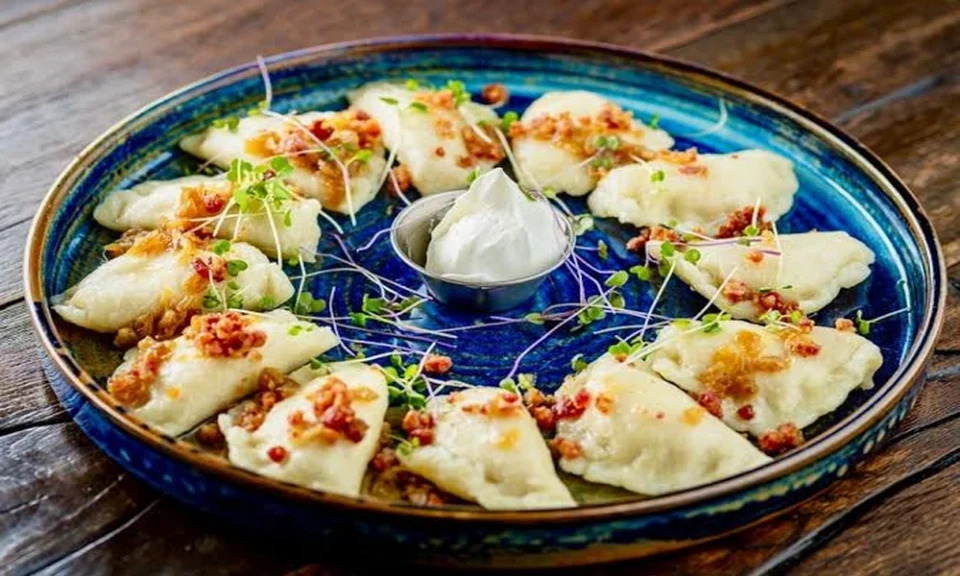
Use fresh herbs as a deliberate finishing choice: select one direction that suits the filling and leave the dumplings’ preparation to their package instructions. Begin with herbs you already have, add them in a way you enjoy and identify another meal for what remains. A garnish should give dinner a clear accent rather than create a new shopping project.
A bunch of herbs can look like an invitation to use several varieties at once. Yet a small finishing decision is often easier to understand. You can taste how one herb relates to an onion, cheese or mushroom filling and decide whether you want more, instead of creating a mixture whose separate contributions are difficult to identify.
Start with the herbs you actually have
Look at the herbs in your kitchen and assess whether they are suitable to use. Do not assume a bunch is still in good condition simply because it is sitting in the refrigerator. If you grow herbs at home, choose only plants you can identify confidently as the culinary herbs you intend to eat.
Ask whether you enjoy the herb’s flavor in savory food. Parsley, dill and chives suggest different directions, and personal preference matters more than a supposed compulsory pairing. There is no requirement to use a particular herb because a photograph shows green flecks on a plate of dumplings.
Consider how much you actually have. A small amount may be sufficient for a restrained finish, while a larger bunch needs another use beyond this dinner. Decide that before adding more to the shopping list. The garnish should arise from your kitchen’s contents, not from an assumption that every meal needs a newly purchased bundle.
Prepare the chosen herb using ordinary appropriate food-handling practices and the form you want to eat. A finely cut garnish creates a different experience from large leaves. Think about whether the pieces will distribute comfortably across the food and whether guests would prefer to add their own.
Match the accent to cheese, mushroom or onion
Imagine the filling first. Potato and cheddar offers a familiar base that you might enjoy with chives or another preferred herb. A potato-and-onion filling already contributes onion flavor, so adding more of that direction should be a conscious choice. The herb does not have to repeat the filling to belong beside it.
For an earthy mushroom filling, you could consider a simple parsley finish if that is a combination you like. Holy Perogy’s Crazy Wild Mushroom contains potato and onion with white, portabello and porcini mushrooms. Add the parsley at the table if you want to compare a plain bite with a garnished one before finishing the whole plate.
Keep the accompaniment in mind as well. If the side dish already includes a strong herb dressing, an additional herb on the dumplings may be unnecessary. You can let the side carry that flavor while the filling remains more plainly presented. The whole plate should guide the decision, not the dumpling in isolation.
Try a small amount on your own serving before distributing it everywhere if you are unsure about the combination. This lets the household retain different preferences and avoids committing the whole meal to an unfamiliar finish. A garnish can remain optional without making the plate feel unfinished.
Keep the garnish separate from the cooking method
Finishing food and preparing it properly are different tasks. Read the current package directions for the dumplings and follow them. Holy Perogy’s products are sold frozen and uncooked; adding herbs does not change their required preparation or establish that a different cooking method is appropriate.
The descriptions in the Holy Perogy range for Cleveland help identify the filling you want to complement. Use that information for the flavor decision and the purchased package for preparation. That leaves two manageable tasks: prepare the dumplings as directed, then finish your serving with the herb you chose.
Decide where the herb will go after the main food is ready. It might be scattered lightly over individual servings or offered separately so people can choose. If you intend to include it in a sauce or side, use an appropriate recipe or familiar method for that component rather than assuming all additions behave the same way.
Keep the final action manageable. A garnish that requires several ingredients to be processed just as dinner is ready may create more work than the accent warrants. Preparing the suitable herb in advance of the final cooking stage can make the finish feel like a small completion, rather than another dish waiting to begin.
Use the remaining herbs in another named meal
Give the remainder a concrete destination while you still remember why you bought it. Parsley might be intended for a bean salad you plan to make, while chives could have a role in an egg dish you already enjoy. Choose an actual meal on your schedule rather than a vague intention to use herbs more often.
Check what that next dish requires before assuming the leftover amount is sufficient. You may need only a small accent, or the recipe may call for more than remains. This is a simple planning observation, not a reason to buy another bunch automatically. Adjust the meal idea to what you can reasonably use.
Store the remaining herbs in a way suited to that herb, and keep them visible enough to remember the next dish you planned. Their suitability still needs to be assessed when you use them. Planning another meal is helpful, but it does not make an ingredient usable indefinitely.
For tonight’s pierogies, let one herb choice be enough. A clearly chosen accent can connect the filling and side without filling the plate with every available sprig. Save the other possibilities for a different meal, where they can have a purpose of their own.
