
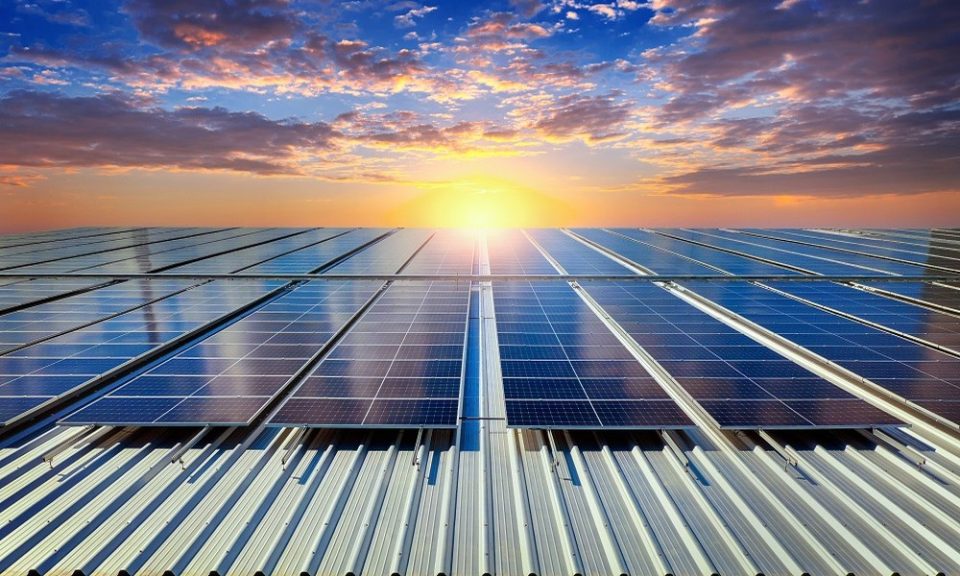
As electricity tariffs continue to rise and environmental concerns become a global priority, installing a solar rooftop system has transitioned from a luxury to a strategic financial decision. For homeowners and business owners alike, the primary goal is often to reduce operational costs while ensuring energy reliability. However, “going solar” is not a one-size-fits-all solution. To maximize your return on investment, it is essential to understand the different architectural frameworks of solar power and identify which one aligns with your specific consumption patterns and budget.
The On-Grid System: The Fast Track to Cost-Efficiency
The On-Grid or grid-tied system is currently the most popular choice for urban residential and commercial properties. This system operates in direct synchronization with the local utility provider’s power lines. The solar panels convert sunlight into DC electricity, which is then transformed into AC power by an inverter to run your appliances. Any excess energy produced during the day is fed back into the main grid. In many regions, this surplus can be “sold” or credited back to your account through net-metering programs, effectively spinning your meter backward.
From a cost-effective standpoint, the On-Grid solar rooftop is the clear winner for those looking for the shortest payback period. Because it does not require expensive battery storage, the upfront installation cost is significantly lower than other types. It is an ideal solution for businesses, offices, and households where electricity consumption peaks during daylight hours. However, a critical limitation is that for safety reasons, On-Grid systems shut down during a blackout to prevent back-feeding the grid while technicians are making repairs.
The Off-Grid System: Achieving Total Energy Independence
For properties located in remote areas where the traditional utility grid is either unavailable or prohibitively expensive to extend, an Off-Grid solar rooftop system is the only viable path. This system is entirely self-sustaining, relying on a robust array of solar panels and a high-capacity battery bank to store energy for nighttime use or cloudy days. Because there is no external backup, the system must be meticulously sized to handle the maximum possible load of the property even during consecutive days of low sunlight.
While the Off-Grid system offers the ultimate freedom from monthly utility bills and corporate energy hikes, it is generally the least cost-effective option for those who already have access to the grid. The high price of deep-cycle or lithium-ion batteries, combined with the need for specialized charge controllers and off-grid inverters, can more than double the initial investment compared to a grid-tied setup. This system is best reserved for rural cabins, telecommunication towers, or eco-resorts where “living off the land” is a necessity rather than a financial preference.
The Hybrid System: Security and Versatility Combined
The Hybrid solar rooftop system represents the evolution of modern energy management, combining the reliability of the grid with the security of battery storage. In this setup, the system prioritizes using solar energy to power the home first, then uses any excess to charge the batteries. Once the batteries are full, any further surplus is exported to the grid. If the sun isn’t shining and the batteries are depleted, the system seamlessly draws power from the utility provider.
The primary advantage of a Hybrid system is “Energy Security.” Unlike the On-Grid version, a Hybrid system provides backup power during a blackout, keeping essential appliances like refrigerators and lights running. Furthermore, it allows for “Peak Shaving”-using stored battery power during the evening when utility rates are at their highest. While the initial cost is higher than an On-Grid system due to the batteries, the Hybrid model offers a balanced long-term value proposition by protecting the owner against power outages and future shifts in utility pricing structures.
Strategic Selection: How to Choose Your Best Fit
Choosing the most cost-effective solar rooftop depends on analyzing your “Energy Profile.” If your goal is purely financial-to slash daytime electricity bills and see a return on investment within 4 to 6 years-the On-Grid system is the most logical choice. It offers the best “Baht-per-Watt” value and requires the least maintenance over its 25-year lifespan. It turns your roof into a revenue-generating asset with minimal complexity.
However, if you operate a business where a power outage translates to significant financial loss, or if you live in an area with an unstable grid, the Hybrid system is the superior investment. Even though the payback period may extend to 8 or 10 years, the added value of uninterrupted operations and the ability to avoid peak-hour tariffs often justifies the extra cost.
To ensure you select the right technology and achieve the highest efficiency, partnering with an experienced expert is crucial. Ewave provides comprehensive solar solutions tailored to your specific energy needs, offering high-quality components and professional installation services. By bridging the gap between your current budget and long-term energy aspirations, Ewave ensures that every ray of sunshine translates into sustainable savings and a greener future for your property.
