
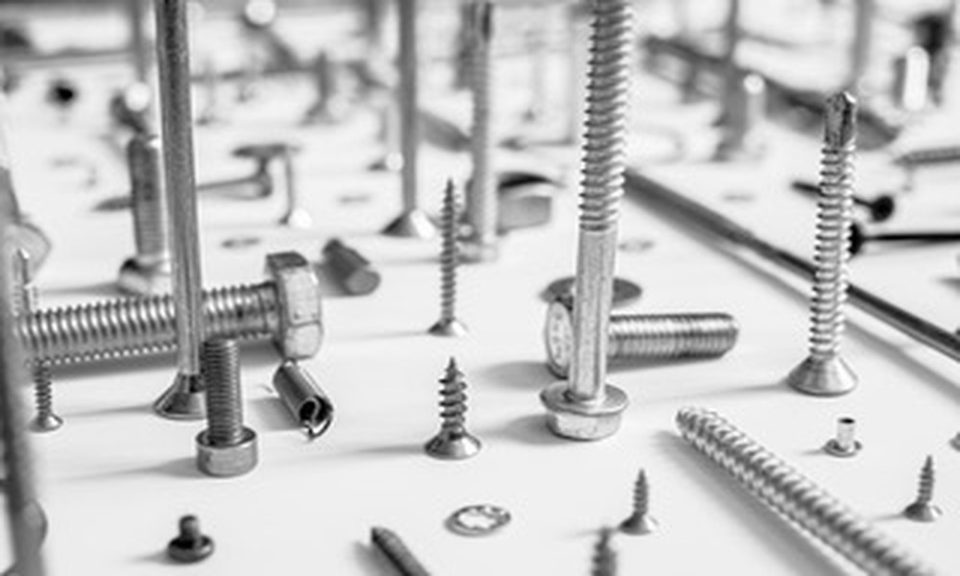
A joint rarely announces its failure. It loosens quietly, then shifts, then gives way. Many craftsmen reach for wood screws early, not out of habit, but from lived experience on site. The size chosen at that moment shapes everything that follows. It decides how pressure travels through the material. It also decides whether the joint holds steady or begins to strain over time.
How Wood Screws Size Affects Real-World Performance
A screw works in partnership with the material it enters. Length, diameter, and thread all influence how wood screws behave under load. A longer screw offers deeper hold, yet excess length can stress the wood fibres. A thicker diameter improves grip, though it may cause splitting in dense timber. Careful balance of wood screws protects both strength and surface integrity.
Practical Factors That Guide the Right Size Choice
A considered approach helps avoid common structural issues and ensures consistent results across applications. The following points often guide professionals during selection:
- Length should pass through the top layer and secure firmly into the base material.
- Diameter must suit the wood type, especially when working with hardwood surfaces.
- Thread pattern should match softwood or hardwood to maintain lasting grip.
- Head type influences how force spreads across the surface.
- Pilot holes reduce internal pressure in dense materials.
Each of these factors contributes to how the joint behaves over extended use.
Where Sizing Decisions Often Go Wrong
Errors in sizing rarely appear immediately. A short screw may hold at first, yet loosen with repeated stress. An overly long screw can damage internal fibres or disrupt alignment. Experienced builders observe these outcomes over time. They adjust their choices based on what endures, not what appears convenient during installation.
Conclusion
Correct sizing reflects attention to detail rather than routine practice. Wood screws perform reliably when matched carefully to material thickness and load demands. Each measured decision supports lasting strength, allowing the structure to remain stable as conditions change and pressure shifts across the joint.
