
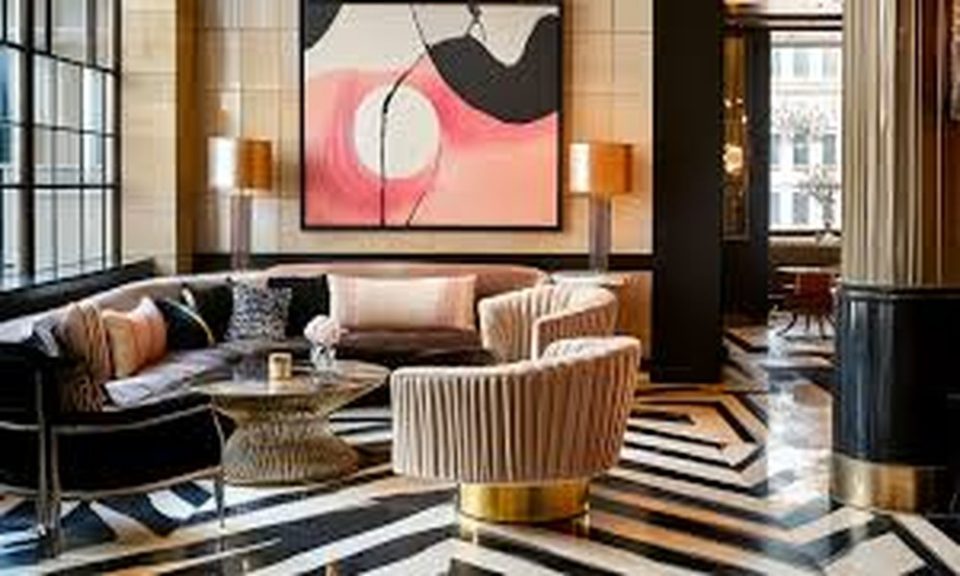
Whether you’re undertaking a full-scale renovation or simply want to breathe new life into a tired space, working with a professional interior designer cheshire can be one of the most rewarding investments you make in your home. Yet many homeowners approach the process without a clear understanding of what to expect, and that uncertainty can lead to frustration, miscommunication, and results that fall short of what was possible.
This guide walks you through everything you need to know, from finding the right designer to getting the most out of your collaboration.
Why Hire an Interior Designer at All?
It’s a fair question. With endless inspiration available on Pinterest, Instagram, and home interiors television, many homeowners feel confident enough to go it alone. And for small, low-stakes projects, that approach can work well.
But professional interior design is about far more than curating beautiful images. A skilled designer brings spatial knowledge, an understanding of proportion and light, access to trade suppliers, and, crucially, the experience to foresee problems before they become expensive mistakes.
Studies have consistently shown that professionally designed spaces tend to add measurable value to properties. Beyond financial return, there’s the less quantifiable but very real benefit of living in a space that genuinely works for you: one that reflects your personality, supports your lifestyle, and brings you daily pleasure.
For significant projects in particular, the designer’s fee almost always pays for itself in avoided errors, better material selections, and the time you won’t spend making it up as you go along.
Understanding the Different Types of Interior Designers
Before you begin your search, it helps to understand that “interior designer” is a broad term that covers a wide range of specialists.
Residential interior designers focus exclusively on private homes and are most likely the type you’re looking for if you’re renovating a house or apartment. Within this category, some specialise in new builds, others in period properties, and others in specific styles, from contemporary minimalism to traditional country interiors.
Commercial interior designers work on offices, retail spaces, and corporate environments, where the priorities are around workflow, brand identity, and durability.
Hospitality designers focus on hotels, restaurants, bars, and spas: spaces that must perform commercially while creating a memorable guest experience. High-end hospitality design is a particularly specialised discipline, blending theatrical flair with rigorous practicality.
Interior architects sit at the intersection of interior design and architecture, often handling structural changes, bespoke joinery design, and complex spatial reconfiguration alongside the decorative elements.
Some studios work across several of these disciplines, which can be an advantage if your project crosses categories. For instance, a barn conversion that includes both residential and holiday-let spaces.
How to Find the Right Designer for Your Project
Word of mouth remains the most reliable way to find a good designer. Ask friends, family, or neighbours whose homes you admire. Architects and builders are also excellent sources of referrals, as they work alongside designers regularly and tend to have strong opinions about who delivers.
Beyond personal recommendations, professional bodies such as the British Institute of Interior Design (BIID) maintain directories of qualified, vetted members. These are designers who have demonstrated a certain standard of professional practice, carry the appropriate insurance, and are committed to ongoing professional development.
When reviewing a designer’s portfolio, look beyond the aesthetics. Ask yourself whether the work shows versatility: can they adapt their approach to suit different clients and spaces, or does everything look the same? Look for evidence of attention to detail in the finishes, the joinery, the lighting design. The best portfolios tell a story of each project: the constraints, the brief, and how the designer responded.
Questions worth asking at an initial consultation:
- Have you worked on similar projects in terms of scale and style?
- How do you structure your fees, and what does each stage include?
- Who would be my day-to-day point of contact?
- Can you provide references from previous clients?
- What is your approach when problems arise on-site?
Don’t be shy about asking to speak to former clients. Any designer with a strong track record will be comfortable facilitating that.
Understanding Interior Design Fees
Fee structures vary considerably across the industry, and it’s important to understand what you’re paying for before signing anything.
Hourly rates are common for smaller or more loosely defined projects, typically ranging from £75 to £250 per hour depending on the designer’s experience and location.
Fixed project fees give you more cost certainty and are often structured in stages: concept design, developed design, specification, and site oversight. This approach works well for larger, more clearly scoped projects.
Percentage of project value is another model, where the designer charges a proportion of the total spend. This aligns the designer’s incentives with the quality of the outcome, though it’s worth ensuring transparency around what that total spend is likely to be.
Procurement fees or trade margin: many designers also make a margin on products and materials sourced through their trade accounts. This is standard practice and not inherently problematic, but it should be disclosed upfront.
As a general principle, be wary of any designer who is vague about fees. A confident, experienced professional will be able to explain their pricing model clearly and give you a realistic indication of costs early in the process.
The Design Process, Stage by Stage
Understanding how a typical project unfolds will help you engage more effectively and know what to expect at each milestone.
1. Initial Consultation
This is usually a paid meeting (between £150 and £500 in the UK, though some designers offer a complimentary first call) in which the designer visits your space, discusses your brief, and assesses the scope of work. It’s as much about chemistry as capability, as you’ll be working closely with this person, and you need to trust their judgement and feel heard.
2. Concept Design
Based on your brief, the designer develops an initial design direction. This typically includes mood boards, initial spatial layouts, a palette of materials and finishes, and broad furniture suggestions. The goal at this stage is to establish a clear creative direction before investing in detailed specifications.
3. Design Development
Once the concept is agreed, the designer refines it into a full scheme. This involves detailed drawings, final material and furniture selections, bespoke joinery drawings, lighting design, and a comprehensive specification document that contractors can price from.
4. Procurement
The designer sources and orders all the specified items: furniture, fabrics, lighting, ironmongery, sanitaryware, coordinating lead times to ensure everything arrives when needed. This stage requires meticulous project management.
5. Site Oversight
During the build or fit-out phase, the designer conducts regular site visits, liaises with contractors, addresses any issues that arise, and ensures the work is being executed in line with the specification.
6. Styling and Handover
The final stage involves the placement of furniture and accessories, dressing of shelving and surfaces, and any last-minute adjustments. A good designer will walk you through the finished space, ensuring everything is exactly as intended.
Getting the Most From Your Designer
The client-designer relationship is a collaboration, and the quality of your input directly affects the quality of the output. Here are a few ways to be an excellent client.
Be honest about your budget. Designers are not there to judge how much you’re spending. They’re there to make the most of whatever budget you have. Hiding the real number, or being vague, simply makes their job harder and leads to a concept that has to be scaled back.
Communicate your lifestyle clearly. Do you have young children or dogs? Do you work from home? Do you entertain frequently? The best design solutions are rooted in real life, not in how you wish your life looked.
Trust the process. There will be moments, particularly in the developed design stage, when things feel overwhelming or uncertain. Trust that the designer has a plan, and raise concerns through conversation rather than panic.
Give clear, timely feedback. Designers work to timescales, and delays in your feedback create delays across the whole project. When asked for a decision, make it as promptly as you can, and be specific about what you like and don’t like.
Resist the urge to make unilateral changes on-site. If something changes mid-project without the designer knowing, it can have knock-on effects across the whole scheme. Always communicate changes through them.
A Note on High-End and Boutique Residential Design
At the upper end of the market, interior design becomes something closer to interior architecture: a fully integrated service that encompasses structural changes, bespoke joinery designed from scratch, curated art and antiques, specialist finishes such as Venetian plaster or hand-painted de Gournay wallcoverings, and lighting schemes developed in collaboration with dedicated lighting consultants.
Studios operating at this level typically work on a limited number of projects at any one time, enabling genuine depth of attention to each client. The relationship tends to be more intimate and long-term, and it’s not uncommon for a client to return to the same designer for multiple properties over many years.
If you’re embarking on a significant renovation, particularly in a distinctive architectural setting such as a period farmhouse, a coastal property, or a new-build with strong architectural ambition, seeking out a designer with experience at this level is likely to be well worth the additional investment.
Conclusion
Working with an interior designer is, at its best, a genuinely transformative experience. The result is not just a beautiful space, but one that has been thought through in its entirety, where every decision serves the whole, and where the practical and the beautiful are in genuine harmony.
The key is to approach the process with openness, to choose a designer whose aesthetic sensibility resonates with yours, and to invest in the relationship as a proper collaboration rather than a transaction.
Take your time in the selection process. Ask good questions. Be honest about what you want and what you can spend. And then, once you’ve found the right person, trust them to do what they do best.
