
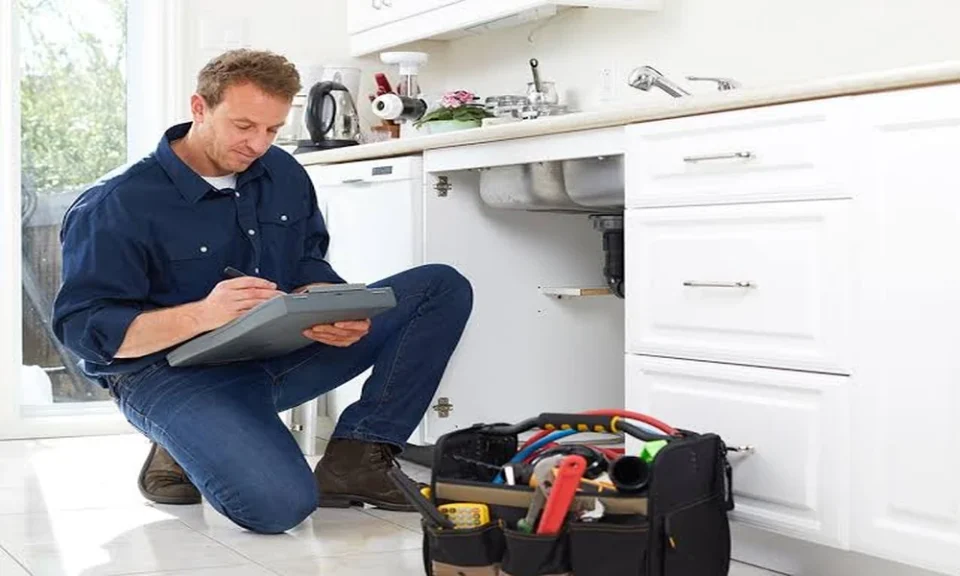
A dripping kitchen faucet might seem like a minor inconvenience, especially when the water escapes one drop at a time. Many homeowners ignore the problem for weeks or months, assuming it is nothing more than a worn washer or loose connection. However, persistent dripping can sometimes indicate deeper plumbing concerns that deserve attention. A leaky faucet might indicate issues affecting the effectiveness and dependability of your kitchen plumbing system, such as aging internal parts or high water pressure.
Worn Faucet Components Can Signal Aging Plumbing Fixtures
Kitchen faucets contain several internal components that regulate water flow and prevent leaks. Over time, washers, cartridges, O-rings, and valve seats can deteriorate because of constant use, mineral buildup, and everyday wear.
When these components lose their ability to create a proper seal, water may continue escaping even after the faucet is turned off. While replacing a damaged cartridge or washer can sometimes resolve the problem, repeated leaks may indicate that the fixture itself is approaching the end of its useful life.
Homeowners considering Kitchen Faucet Installation Houston services should evaluate the overall condition of their existing fixtures rather than repeatedly repairing individual components. Replacing an aging faucet can improve functionality and help prevent recurring leaks, particularly when the existing fixture has extensive corrosion or internal damage.
Excessive Water Pressure May Be Damaging Your Fixtures
Water pressure plays an important role in maintaining a properly functioning plumbing system. Although strong water flow may seem desirable, excessive pressure can place unnecessary stress on faucet seals, supply connections, and other plumbing components.
When household water pressure remains consistently high, internal faucet parts may deteriorate faster than expected. This can contribute to dripping, leaking connections, and premature fixture failure.
Homeowners who experience frequent faucet leaks should consider having their water pressure checked. A plumbing professional can determine whether the pressure falls within an appropriate range and recommend adjustments when necessary.
Addressing excessive pressure can help protect not only kitchen faucets but also appliances, pipes, and other fixtures connected to the household water supply.
Mineral Buildup Can Interfere With Faucet Performance
Hard water contains dissolved minerals, primarily calcium and magnesium, that can accumulate inside plumbing fixtures over time. These deposits may collect around faucet aerators, cartridges, and valve openings, interfering with normal operation.
As mineral buildup increases, faucet components may struggle to close completely, allowing small amounts of water to escape. Homeowners might also notice uneven water flow, reduced pressure at the faucet, or visible white deposits around the spout.
Cleaning accessible components can sometimes improve performance. However, significant mineral accumulation inside the faucet may require professional servicing or replacement.
Understanding whether mineral deposits are contributing to repeated leaks can help homeowners choose a more effective long-term solution.
Hidden Leaks Beneath the Sink Can Cause Additional Damage
A dripping spout is easy to notice, but leaks beneath the kitchen sink can remain undetected for much longer. Loose supply connections, deteriorating hoses, and damaged seals may allow water to accumulate inside cabinets.
Even small amounts of moisture can gradually damage wooden surfaces, weaken cabinet materials, and create conditions that encourage mold growth.
Homeowners should periodically inspect the space beneath their kitchen sink for dampness, discoloration, unusual odors, or visible water stains.
If moisture appears around plumbing connections, identifying the source quickly is important. A leak originating from a supply line requires a different repair approach than water escaping from the faucet body or mounting area.
Corrosion Can Make Faucet Repairs Less Effective
Metal components inside older faucets may gradually corrode because of prolonged moisture exposure and water chemistry. Corrosion can affect threaded connections, valve surfaces, and internal fittings.
When corrosion becomes extensive, replacing a washer or cartridge may provide only temporary relief. Damaged surfaces can prevent replacement components from sealing properly, allowing leaks to return.
Visible rust, greenish deposits, difficulty turning faucet handles, or recurring leaks may indicate that corrosion has affected the fixture.
In these situations, installing a new faucet may be more practical than continuing to repair deteriorating components. The surrounding connections should also be inspected to ensure they remain in suitable condition.
Improper Installation Can Lead to Recurring Faucet Leaks
Not every dripping faucet is old or worn out. Sometimes, problems begin shortly after installation because components were incorrectly positioned, connections were overtightened, or incompatible fittings were used.
A poorly seated cartridge, damaged seal, or improperly secured supply connection can create leaks even in a brand new fixture.
Professional installation helps ensure that the faucet is compatible with the sink configuration, supply connections are properly secured, and the fixture operates as intended.
Testing the faucet after installation is equally important because it allows potential leaks to be identified before they cause damage to surrounding cabinets or countertops.
Conclusion
A dripping kitchen faucet should never be dismissed simply because the leak appears small. Persistent dripping can result from worn internal components, excessive water pressure, mineral accumulation, corrosion, or installation problems. Some issues require straightforward repairs, while others indicate that replacement or broader plumbing maintenance may be necessary.
Homeowners may avoid needless water waste, lower the danger of property damage, and maintain a more dependable kitchen plumbing system by looking into the reason early and checking adjacent plumbing connections.