
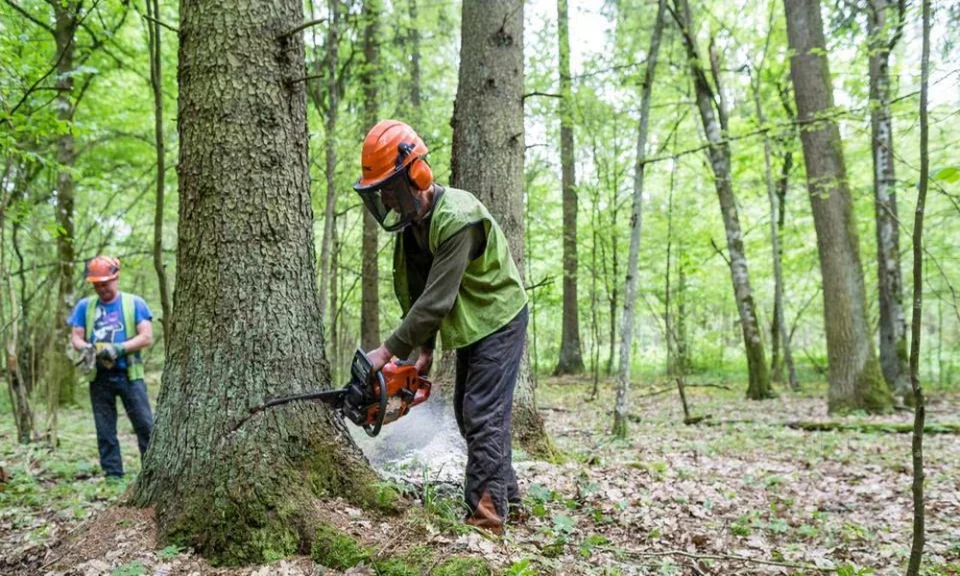
Tree cutting in Singapore is not simply a matter of hiring someone with a chainsaw. Regulatory approval, safety protocol around the cutting itself, and disposal of the material afterward all factor into what a “safe” job actually involves.
Understanding these pieces before calling a contractor makes it easier to tell a properly run job from a corner-cut one.
The Permit Question
Not every tree can legally be cut down without authorisation. NParks approval is generally required for trees above a certain girth, and additional restrictions apply to public and heritage trees regardless of size. A contractor that offers to skip this step to save time is offering to expose the property owner to the penalty, not just themselves.
Assessing the Job Before Cutting Starts
A safe cutting job starts with an assessment of the tree’s lean, the space available for the felled material to come down, and what’s nearby – power lines, neighbouring roofs, parked vehicles. This assessment determines whether the tree can be felled in one piece or needs to be taken down section by section, which changes both the cost and the time required.
Techniques Used for Controlled Removal
Crown thinning and targeted pruning are sometimes used ahead of a full removal to reduce weight and wind resistance before the final cut, particularly on larger trees in tight spaces. Professional tree cutting in confined urban plots in Singapore relies heavily on sectional dismantling – cutting and lowering branches piece by piece with rigging – rather than felling the whole tree at once, which is rarely an option once buildings are close by.
Costs for tree cutting in Singapore vary widely by size and access, running from roughly a few hundred dollars for a small tree to several thousand for a large removal requiring sectional work. Getting a quote from a certified team that has already accounted for permits and safe technique tends to be more reliable than comparing prices alone.
