
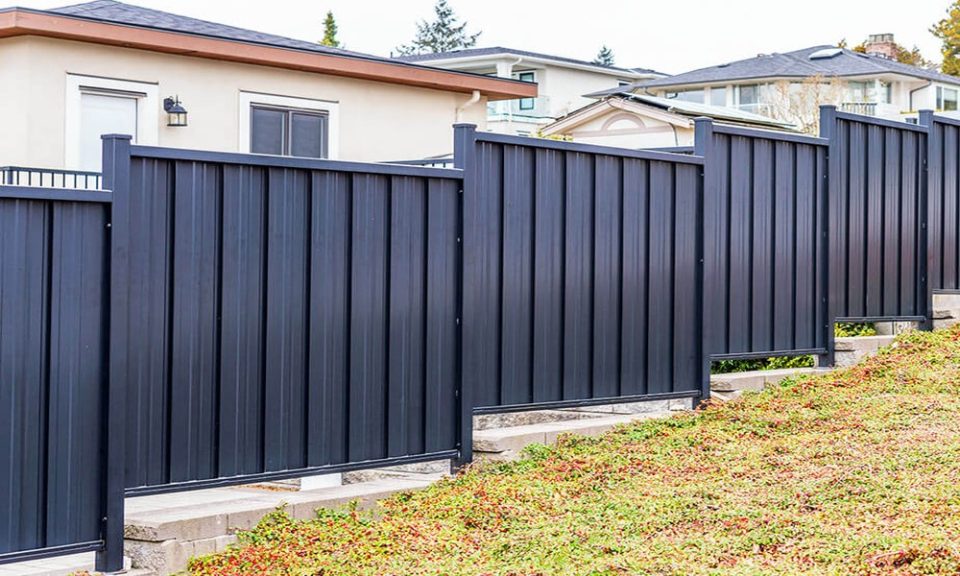
Most homeowners look at a fence as just a casual barrier or a finish point. Something that says “this is mine.” But if you’ve ever actually lived in a space that feels good, not just looks good, you know it’s never that simple. The boundary is doing far more work than we usually give it credit for. It’s shaping how exposed you feel, how open your space breathes, and even how your home behaves socially before anyone steps inside. And honestly, that’s where most average installations fall apart. They treat fencing like an afterthought instead of a system that quietly controls the entire outdoor experience.
Strategic Boundary Design and Human Comfort
A poorly planned fence install triggers same story: you either feel a creeping sense of vulnerability, like you’re living on display, or you feel trapped inside a sterile box. When design isn’t intentional, there’s rarely a middle ground.
The real skill is managing that tension between safety and openness without pushing the space into extremes. A well-executed boundary doesn’t shout, it filters. It lets life happen at a comfortable distance. Denver fencing experts use an intentional approach to design, treating a residential perimeter as a soft, transitional canvas while prioritizing psychological comfort, visual flow, and spatial harmony.
In real projects, that often looks like:
- Layered screening so privacy isn’t all-or-nothing
- Subtle height shifts instead of harsh vertical walls
- Entry points that feel natural, not defensive
When this is done right, you stop noticing the fence as an object. You just feel more at ease in your own space, which is the whole point most people don’t realize they were missing.
Material Choices That Actually Hold Up in Real Life
This is where design meets reality. Materials aren’t just aesthetic decisions, they’re long-term behavioral decisions for your property. In places like Denver, you don’t get to ignore climate. Sun, snow, dryness, moisture swings-it all shows up eventually, usually in ways that make cheap decisions very obvious.
So professionals tend to think less in terms of “what looks good today” and more in terms of “what still makes sense five or ten years from now.”
That’s why you’ll see:
- Wood used where warmth and architectural continuity matter
- Metal used when structure and precision are the priority
- Composite systems chosen for low-maintenance living
- Vinyl used where consistency and predictability win
Fencing experts understand that; it’s not about picking one “best” material. It’s about matching behavior, from how you live, and how you maintain things, to how much attention you actually want to give your fence over time.
Installation Reality: Where Most Projects Win or Fail
Here’s the part people underestimate: fencing isn’t really a product decision, it’s a ground decision. If the base is wrong, everything on top becomes compromise. Good contractors don’t start with panels. They start with questions like:
- Where does the land shift?
- Where are the legal boundaries actually enforced?
- What happens when weather hits this slope in January?
That’s why strong installations always feel effortless afterward. Because the difficult thinking happened upfront.
Key realities that matter:
- Property lines confirmed before anything goes in the ground
- Permits and HOA rules handled early, not mid-project
- Uneven terrain corrected without forcing visual distortion
- Sequencing planned so landscaping doesn’t get damaged
It’s not glamorous work, but it’s exactly what separates a fence that lasts from one that starts leaning or failing within a few seasons.
Outdoor Living Isn’t Separate From the Fence Anymore
The biggest shift in modern residential design is this: nothing outside your home is “just background” anymore. A fence isn’t separate from your patio. It isn’t separate from your planting layout. It’s part of the same living system.
When done properly, everything starts to feel connected instead of placed.
That means:
- Irrigation and planting systems aren’t disrupted by fence lines
- Hardscape layouts actually align with movement and access
- Finishes don’t clash, they extend architectural identity
- Outdoor zones feel usable, not just visually divided
This is where fencing experts position their landscaping expertise; not as “installing fences,” but as shaping how the entire outdoor environment behaves together over time.
In essence, a fence done right doesn’t just surround a space, it refines it. It changes how a property operates and feels without forcing attention. And once you experience that level of integration, the old idea of fencing as a simple boundary starts to feel outdated pretty quickly. However, partnering with a professional fencing company is crucial for guaranteed results and creative insights for a personalized fencing system.
