
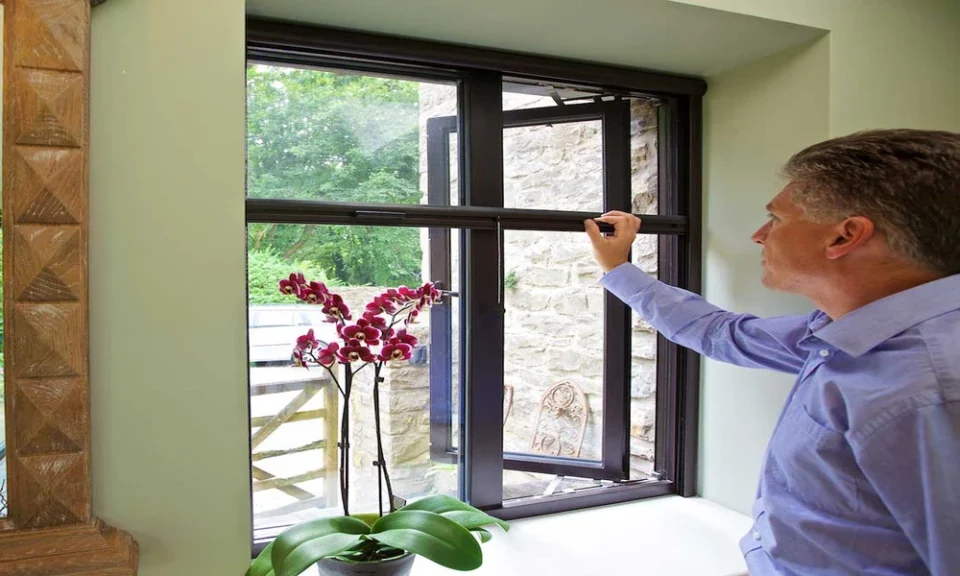
Living in a tropical climate involves a permanent negotiation between airflow and insects. Open the windows and the breeze arrives with mosquitoes, houseflies and whatever else is drawn to indoor light. Keep them shut and the home becomes stuffy while the air conditioning runs continuously. Window screening resolves that tension so completely that most households wonder why they waited, and the case for it goes well beyond simple comfort.
The Public Health Dimension
Mosquito-borne illness is not an abstract concern here. Dengue transmission is ongoing rather than seasonal, and the mosquito responsible bites during daylight hours, which means the risk period coincides exactly with when windows are most likely to be open. Chikungunya and Zika circulate as well. Repellents and coils help but require constant reapplication and are unpleasant indoors. A physical barrier at the opening works continuously without chemicals, without maintenance and without anyone remembering to do anything.
Ventilation Without the Trade-off
Natural ventilation is how homes in this climate were designed to work. Cross-breezes move heat out and keep interior surfaces from feeling clammy, and openable windows are what make an apartment comfortable without mechanical cooling running all day. Screening lets that continue. Well-chosen insect netting for windows restricts airflow only marginally while excluding insects entirely, which usually means the air conditioning runs fewer hours and the electricity bill reflects it.
What the Screens Keep Out
The benefit extends past mosquitoes. Houseflies, which move between waste and food surfaces, are excluded. So are cockroaches that enter through windows near ledges and drains. Lizards, which most households tolerate but few welcome in the kitchen, are stopped by a finer weave. Birds are prevented from entering and nesting on interior ledges, which is a genuine nuisance in higher floors. Finer mesh also reduces the amount of dust and airborne debris entering with the breeze, which noticeably lowers cleaning frequency in units facing busy roads or construction.
Choosing Mesh Density
The weave determines what gets through. A more open weave maximises airflow and visibility but allows very small insects such as midges to pass. A finer weave stops nearly everything but reduces breeze slightly and dims the view a little. Most households find a mid-range density stops mosquitoes and flies with no perceptible loss of ventilation. Where sand flies or midges are a specific local problem, a tighter weave is worth the trade. Darker mesh colours are considerably less visible from inside, since the eye focuses past them.
Material Options
Fibreglass mesh is economical, flexible and does not crease permanently, making it the common default for insect exclusion. Polyester with a heavier weave offers better tear resistance and suits homes with children or pets. Aluminium is more rigid and durable but dents permanently. Stainless steel provides the greatest strength and resists corrosion in humid coastal air, which matters on exposed façades where salt-laden moisture degrades lesser materials within a few years. Where animals may lean or climb on the mesh, a pet-grade specification such as cat mesh for windows is necessary standard insect screening tears easily under claws.
Frame Types and Fixing
How the mesh is mounted affects both security and convenience. Fixed aluminium frames screwed to the reveal are the most robust option and suit permanent installations. Magnetic panels attach to a bonded metal strip and lift off for cleaning. Tension-fitted panels press into the reveal without any fixings, which works well in rented properties. Sliding and hinged designs allow the window glass to be cleaned without removing the screen entirely, which is worth specifying in rooms where the glass gets dirty quickly.
Matching Local Window Types
Apartments here feature several configurations that each need a different approach. Outward-opening casements require the screen inside the reveal with clearance for the window to operate. Sliding windows take matching panels. Top-hung and awning windows leave a gap at the base that must be enclosed. Full-height glazing and bay windows need frames sized to the whole opening. Because a typical home contains a mix, a measured survey generally produces a better result than ordering standard sizes and adapting them on site.
Households With Pets
For homes with cats, screening serves a second and more serious purpose. Falls from high-rise windows cause frequent and severe injuries, and standard insect mesh provides no meaningful resistance to an animal’s weight. Pet-rated panels use heavier material in securely fixed frames, so the same installation that excludes mosquitoes also prevents a fall. If there is any chance of a pet joining the household later, specifying to that standard from the start avoids replacing everything afterwards.
Doors Need Covering Too
Windows are only part of the perimeter. Main doors and balcony doors that get held open for airflow are often the largest unscreened opening in a home. A retractable mosquito screen draws across the doorway when required and retracts into a slim housing when not, so the door works normally while a barrier exists whenever it is open. Magnetic closures let people pass through without operating a latch.
Upkeep
Maintenance is minimal but not zero. Vacuum or brush the mesh occasionally to clear accumulated dust, which restores airflow noticeably in dusty locations. Rinse with plain water rather than pressure washing, which distorts the weave. Check fixings and corner joints periodically, and repair small tears before they widen. With that modest attention a good installation runs for many years, quietly doing its job in a climate that gives it plenty to do.
