
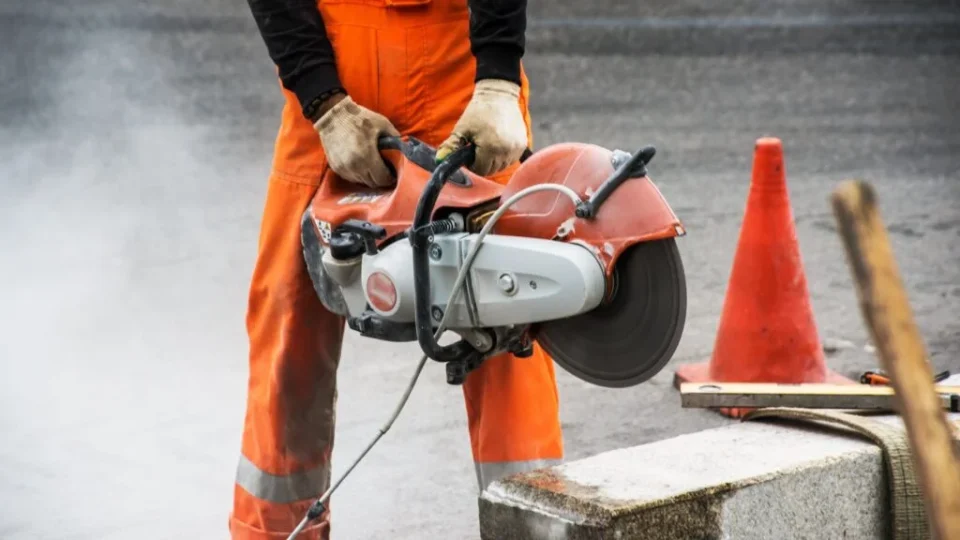
Concrete is one of the most versatile and durable materials in construction, but working with it requires precision, skill, and the right tools. Whether you’re creating openings for plumbing, electrical conduits, or architectural features, cutting concrete safely and efficiently is essential to maintaining structural integrity and project timelines. For builders, understanding the best techniques and practices is key to delivering quality results while minimising risk. This guide explores the essential methods, tools, and safety considerations every builder should know when cutting concrete.
Understanding the Basics of Concrete Cutting
Concrete cutting Brisbane involves removing or shaping sections of concrete to meet design or functional requirements. Unlike wood or metal, concrete is a composite material made of cement, aggregates, and water, making it dense and hard. This requires specialised equipment and techniques to achieve accurate cuts without damaging the surrounding structure.
The main goals of concrete cutting are:
- Creating clean, precise edges
- Minimising dust, vibration, and noise
- Preserving structural integrity
- Reducing risk to workers and equipment
Selecting the right method and tools depends on the thickness of the concrete, the desired cut depth, and the type of reinforcement present.
Common Concrete Cutting Techniques
Several techniques are widely used in the construction industry, each suited to different applications:
1. Diamond Blade Sawing
Diamond blade saws are the most common tools for cutting concrete. These blades are embedded with industrial diamonds, allowing them to cut through hard materials efficiently.
- Applications: Cutting slabs, floors, driveways, and walls.
- Advantages: High precision, smooth edges, and long blade life.
- Considerations: Requires water cooling for wet sawing to reduce dust and blade wear.
Diamond sawing is versatile and effective, making it a staple in professional concrete work.
2. Core Drilling
Core drilling uses a cylindrical drill with a diamond-tipped bit to create round holes in concrete. This technique is ideal for plumbing, electrical conduits, or ventilation installations.
- Applications: Creating holes for pipes, wiring, or anchor bolts.
- Advantages: Produces precise, clean holes with minimal damage to surrounding concrete.
- Considerations: Proper support and drilling speed are crucial to avoid cracking or overheating.
Core drilling is an essential technique for builders who need accuracy and minimal disruption to existing structures.
3. Wall and Wire Sawing
Wire sawing employs a wire embedded with industrial diamonds to cut through thick concrete or heavily reinforced structures. It is particularly effective for large-scale demolition or structural modification.
- Applications: Cutting beams, columns, bridges, and thick walls.
- Advantages: Can cut intricate shapes and penetrate dense reinforcement.
- Considerations: Requires skilled operators and careful tensioning of the wire to avoid breakage.
Wire sawing is ideal for projects where conventional saws cannot reach or where minimal vibration is necessary.
4. Handheld Cutters and Angle Grinders
For smaller or more precise tasks, handheld tools like angle grinders fitted with diamond blades are often used.
- Applications: Trimming edges, making small openings, or finishing details.
- Advantages: Portable, easy to control, and suitable for tight spaces.
- Considerations: Limited cutting depth and increased operator fatigue for larger jobs.
Handheld cutters complement larger equipment and allow for detailed work in confined areas.
Preparing for Concrete Cutting
Preparation is key to cutting concrete efficiently and safely:
- Assess the concrete: Identify thickness, reinforcement, and surrounding structures to choose the right technique.
- Mark the cut: Use chalk, paint, or a laser guide to outline the cutting path accurately.
- Check utilities: Ensure there are no hidden pipes, conduits, or wiring in the cutting zone.
- Select the right equipment: Choose the appropriate saw, blade, or drill for the task.
- Plan for dust and debris: Wet cutting or dust extraction systems help maintain safety and visibility.
Thorough preparation reduces mistakes, prevents accidents, and ensures clean, precise results.
Safety Considerations
Concrete cutting can be hazardous due to dust, noise, vibration, and flying debris. Builders should prioritise safety at every stage:
- Personal protective equipment (PPE): Wear safety glasses, gloves, ear protection, dust masks or respirators, and steel-toed boots.
- Dust control: Wet cutting or local exhaust ventilation reduces silica dust exposure, which can cause serious respiratory issues.
- Equipment inspection: Check blades, motors, and guards before use to prevent malfunction or injury.
- Training: Only trained personnel should operate saws, drills, and wire cutting equipment.
Following strict safety protocols not only protects workers but also maintains a professional work environment.
Tips for Achieving Precision
Precision is critical when cutting concrete, especially in structural applications:
- Steady cutting speed: Avoid forcing the saw; a steady pace reduces chipping and blade wear.
- Proper cooling: For wet sawing, ensure a consistent water flow to cool the blade and reduce dust.
- Support the slab: Use supports or braces to prevent cracking or movement during cutting.
- Regular blade maintenance: Inspect and dress diamond blades as needed for clean cuts.
Applying these techniques helps ensure accurate cuts, reduces rework, and preserves the integrity of the structure.
Maintenance and Post-Cutting Care
After cutting, proper maintenance and finishing are essential:
- Clean the area: Remove debris, dust, and slurry to prevent hazards and ensure a neat worksite.
- Seal edges: Consider sealing cut edges to prevent water infiltration and protect against cracking.
- Inspect reinforcement: Check exposed rebar or other embedded materials for damage or corrosion.
- Equipment care: Clean blades, drills, and other tools, and store them properly for longevity.
Proper post-cutting care enhances safety, appearance, and the lifespan of both the concrete and equipment.
Final Thoughts
Cutting concrete is a complex but essential skill for builders and construction professionals. Whether using diamond blade saws, core drills, wire sawing, or handheld grinders, understanding the right technique for the job ensures precision, safety, and efficiency. Preparation, proper equipment selection, and adherence to safety protocols are critical to success.
By mastering concrete cutting techniques, builders can confidently tackle a range of projects, from small residential renovations to large commercial structures, avoiding costly mistakes and achieving professional results. With the right knowledge, tools, and attention to detail, cutting concrete becomes not just a task, but a skill that adds value to any construction project.
