
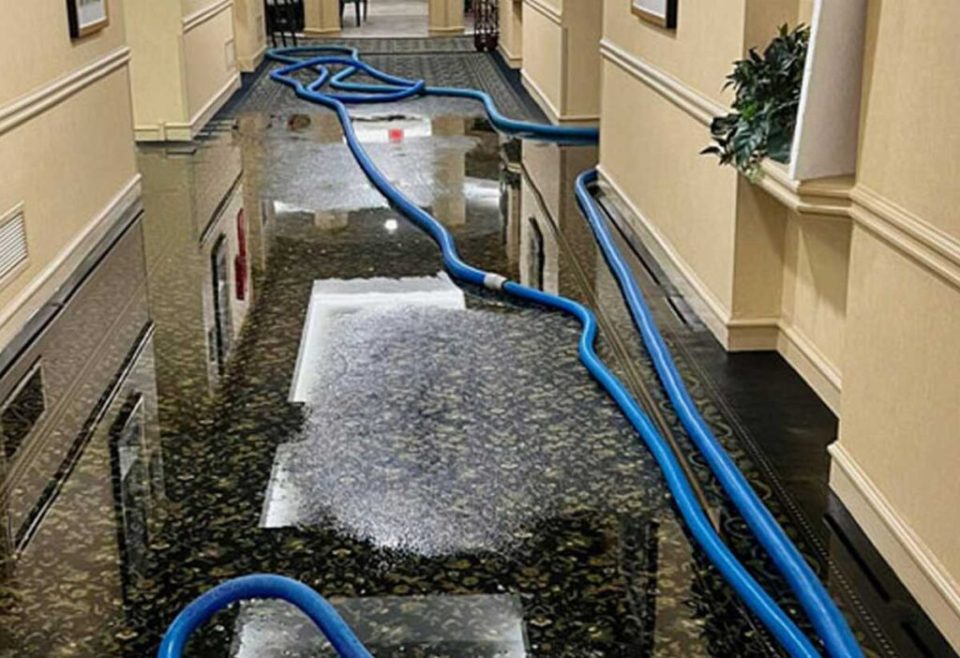
Water damage is stressful because it does not stop at what you can see. Moisture can soak into drywall, flooring, insulation, and framing, while airborne particles can linger long after the initial mess is cleaned up. A smart recovery plan focuses on two goals at the same time: improve air quality and drive down humidity. When you pair air filtration with effective moisture removal, you reduce odors, limit secondary damage, and create conditions that help materials dry faster and more evenly.
Step 1: Restore indoor air quality with HEPA filtration and airflow
After a leak, flood, or sewage backup, the air can carry dust, debris, and microscopic contaminants. Even during a simple cleanup, activities like pulling up wet carpet or cutting out drywall can release particles into the air. This is where a HEPA air scrubber is useful because it continuously captures airborne particulates and helps keep the work area cleaner. For homeowners and contractors who want a straightforward option, this resource is a good starting point for equipment details and availability: Air Movers Rental in Aurora – Beast 600 HEPA Air Scrubber / Purifier | Hepa Air Scrubber Rental |DryingEquipment.ca – Newmarket & Aurora. Place the unit near the affected zone, keep doors to unaffected rooms closed when possible, and run it continuously during demolition and drying. If you are using fans, aim them to circulate air across wet surfaces, not directly at piles of debris.
Step 2: Control humidity fast with the right dehumidifier
Air movement alone is not enough. As water evaporates, humidity rises, and high humidity slows drying while increasing the chance of musty smells and microbial growth. A quality dehumidifier pulls moisture from the air so evaporation can continue at a healthy pace. In many situations, this is the single most important tool for shortening drying time. If you are looking for a proven unit for serious moisture removal, see: Dehumidifier Rental in Orillia – Dri-Eaz Drizair 1200 Dehumidifier – DryingEquipment.ca – Orillia. Set up the dehumidifier in the containment area, close windows, and let it run uninterrupted. Empty the tank or use continuous drainage if available. For best results, monitor humidity with a basic hygrometer and aim to bring indoor relative humidity down to a dry, stable range. When you combine HEPA filtration, controlled airflow, and active dehumidification, you create a clean, dry environment that supports faster recovery and fewer lingering issues.
