
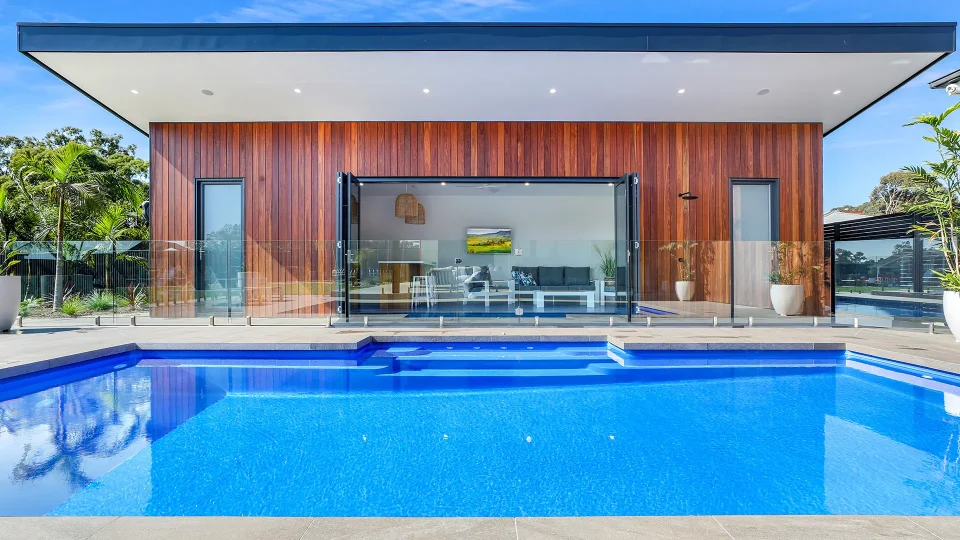
Installing a concrete pool is a significant investment for homeowners in Australia, but it can also add value, style, and functionality to your outdoor space. Concrete pools are known for their durability, customisation options, and long lifespan, making them a popular choice despite higher upfront costs compared to other pool types. Understanding the factors that influence pricing, including size, design, materials, and additional features, is essential for budgeting effectively and achieving the pool of your dreams.
Factors Affecting Concrete Pool Costs
Pool Size and Depth
The size and depth of a concrete pool are primary drivers of cost. Larger pools require more materials, labour, and excavation work, while deeper pools may require additional structural reinforcement. A small plunge pool will naturally cost less than a large lap pool, so it’s important to define your needs and priorities before obtaining quotes.
Design Complexity
Concrete pools offer unparalleled flexibility in design, from classic rectangular shapes to freeform lagoons with curves, waterfalls, and integrated spas. While custom designs from your Pool Builder Melbourne can allow for unique features tailored to your property, complex shapes and intricate details can significantly increase construction costs. Simpler designs are generally more budget-friendly while still providing a stylish and functional pool.
Materials and Finishes
Concrete pools can be finished with a variety of surfaces, including plaster, tiles, pebblecrete, or exposed aggregate. Each finish affects both aesthetics and cost:
- Plaster: The most affordable finish, smooth and clean but may require more maintenance over time.
- Tiles: Offer a premium, polished look with a higher upfront cost, especially for mosaics or custom patterns.
- Pebblecrete: Durable, textured, and visually appealing, often mid-range in price.
- Exposed Aggregate: Adds a natural, decorative appearance with moderate cost.
Choosing the right finish balances appearance, durability, and budget considerations.
Landscaping and Surrounding Features
The area around your pool significantly affects the total cost. Decking, paving, fencing, gardens, and outdoor furniture all contribute to the overall investment. High-quality landscaping and safety features enhance both the pool’s appeal and functionality but can increase expenses. Planning landscaping in parallel with pool construction ensures a cohesive look and prevents costly retrofits later.
Pool Equipment
Concrete pools require essential equipment such as pumps, filters, heaters, and chlorination systems. High-efficiency or automated systems provide long-term energy savings and convenience but may raise initial costs. It’s important to discuss options with your pool builder to determine what equipment best suits your needs and budget.
Location and Site Conditions
The location of your property can influence construction costs. Properties with uneven terrain, rocky soil, or restricted access may require additional excavation, engineering, or specialised equipment, increasing overall expenses. Local council regulations, permits, and inspection fees should also be factored into the budget.
Average Cost Range
The cost of a concrete pool in Australia varies widely depending on size, design, and features. As of 2026, typical price ranges are:
- Small plunge pool (3–5 metres): $35,000 – $55,000
- Standard backyard pool (6–10 metres): $60,000 – $100,000
- Large or custom pool with features: $100,000 – $200,000+
It’s important to remember that these figures are estimates. Obtaining multiple quotes from reputable pool builders will provide a clearer understanding of the likely costs for your specific project.
Ongoing Maintenance Costs
Concrete pools require regular maintenance to preserve water quality, structural integrity, and appearance. Maintenance costs include cleaning, chemical balancing, equipment servicing, and surface refinishing. Over time, plaster or pebblecrete finishes may need resurfacing every 8–15 years, which should be considered when assessing long-term affordability. Compared to fibreglass pools, concrete pools generally have higher ongoing maintenance costs, but their durability and customisation options often justify the investment for many homeowners.
Benefits of Choosing a Concrete Pool
Durability
Concrete pools are among the most durable and long-lasting pool types available. With proper maintenance, a concrete pool can last decades, often exceeding the lifespan of fibreglass or vinyl options.
Customisation
Unlike pre-fabricated pools, concrete pools can be shaped, sized, and finished to suit your exact specifications. This allows for creative features such as infinity edges, integrated spas, water features, or unique colour schemes that complement your backyard.
Increased Property Value
A well-designed concrete pool can significantly enhance your property’s value and appeal. Many Australian buyers view a backyard pool as a desirable feature, particularly in warmer climates where outdoor living is a key lifestyle consideration.
Aesthetic Appeal
Concrete pools offer a high-end, polished look with endless design possibilities. Whether you prefer a modern, minimalist style or a resort-inspired oasis, concrete allows for a customised finish that elevates the overall appearance of your outdoor space.
Tips for Managing Costs
Set a Realistic Budget
Before beginning your pool project, determine a clear budget that includes construction, landscaping, equipment, and ongoing maintenance. Setting a realistic budget helps avoid unexpected expenses and ensures the final pool meets your expectations.
Get Multiple Quotes
Obtaining quotes from several reputable pool builders allows you to compare prices, materials, and services. It also provides insight into average market costs and helps you make an informed decision.
Prioritise Features
Identify which pool features are essential versus optional. Focus spending on elements that enhance usability, safety, and longevity, while deferring or simplifying decorative elements if necessary to manage costs.
Plan for Maintenance
Understanding the ongoing care requirements of a concrete pool ensures you can budget appropriately. Regular maintenance protects your investment and prolongs the pool’s lifespan.
Consider Future Expansion
If you plan to add landscaping, outdoor kitchens, or additional features later, consult your pool builder during the initial design phase. Planning ahead can reduce costs and prevent disruptions during future projects.
Conclusion
The cost of installing a concrete pool in Australia varies depending on multiple factors, including size, design complexity, materials, landscaping, equipment, and site conditions. While the upfront investment is significant, the durability, customisation options, and potential property value increase make concrete pools a popular choice for homeowners seeking a long-term backyard solution.
Professional planning, obtaining multiple quotes, and setting a realistic budget are essential steps for ensuring your project stays on track. Additionally, considering ongoing maintenance and seasonal care ensures that your concrete pool remains beautiful, functional, and enjoyable for years to come.
Ultimately, a concrete pool is more than just a backyard feature—it is an investment in lifestyle, property value, and long-term enjoyment. With careful planning, professional advice, and quality construction, homeowners can create a stunning, durable pool that enhances both their outdoor living experience and the overall appeal of their property.
