
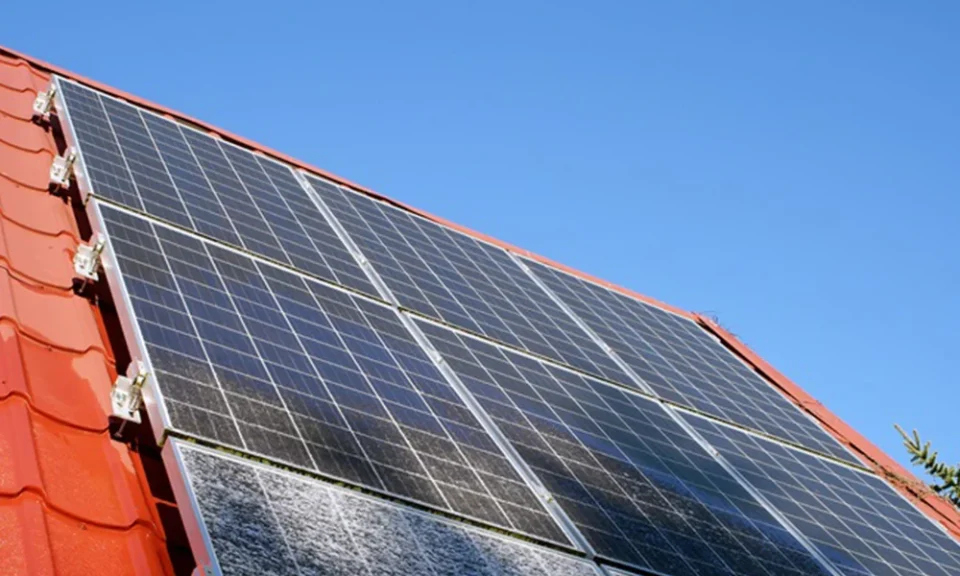
Solar energy can become a practical part of a household’s everyday electricity setup by generating power from sunlight and supplying it to appliances, lighting, and other electrical equipment. Solar panels Perth households install can contribute to daily electricity needs when the system is appropriately sized and positioned. Understanding how residential solar works and what affects its performance can help households make informed decisions about their energy setup.
Understanding How Residential Solar Systems Work
A residential solar system generally uses solar panels to capture sunlight and convert it into electricity. The generated electricity passes through an inverter, which converts the power into a form that household appliances can use.
During periods when solar production is greater than immediate household demand, the available energy may be exported to the electricity grid or stored in a compatible battery system. When solar generation is lower, electricity can be supplied through other available sources.
Assessing Household Electricity Consumption
Understanding household electricity consumption is an important part of planning a suitable solar system. Electricity use can vary depending on the number of occupants, property size, appliances, heating and cooling requirements, and daily routines.
Reviewing electricity bills can provide useful information about overall consumption and seasonal changes. Households can also identify which appliances use the most electricity and when demand tends to be highest during the day.
The Role of Solar Panels in Daily Energy Generation
Solar panels generate electricity when sunlight reaches their photovoltaic cells. Production generally changes throughout the day, with generation influenced by the intensity and availability of sunlight.
The electricity produced can be used by household appliances while the system is generating power. The amount of energy available at any particular time depends on the system’s capacity and current environmental conditions.
Factors That Influence Solar Performance
Several factors can affect how much electricity a solar system produces. Panel orientation, roof angle, shading, weather conditions, and the amount of available sunlight can all influence generation.
Dust, dirt, and debris can also affect the amount of sunlight reaching the panels. In addition, system components and their condition can influence overall performance. Monitoring energy production can help identify changes that may require attention.
Matching a System to Household Requirements
A suitable solar system should reflect the household’s electricity consumption and available roof space. Installing a system that is too small may provide less electricity than expected, while a larger system may produce more energy than the household can immediately use.
Households should consider current consumption as well as possible future changes. New appliances, changes in occupancy, or increased electricity demand can affect the amount of solar generation that may be useful.
Maintaining Consistent Solar Energy Production
Regular attention to the condition of a solar system can support consistent energy production. Panels should remain reasonably clean and free from unnecessary obstructions, while system performance can be monitored for unusual changes.
Professional inspections can also help identify electrical or equipment issues. Keeping the system in suitable operating condition allows households to make better use of available sunlight and maintain dependable electricity generation.
Supporting Everyday Household Energy Use
Residential solar can become part of a household’s regular electricity setup when generation capacity, consumption patterns, installation conditions, and ongoing maintenance are considered together. A clear understanding of these factors helps households use solar energy more effectively as part of their everyday electricity needs.
