
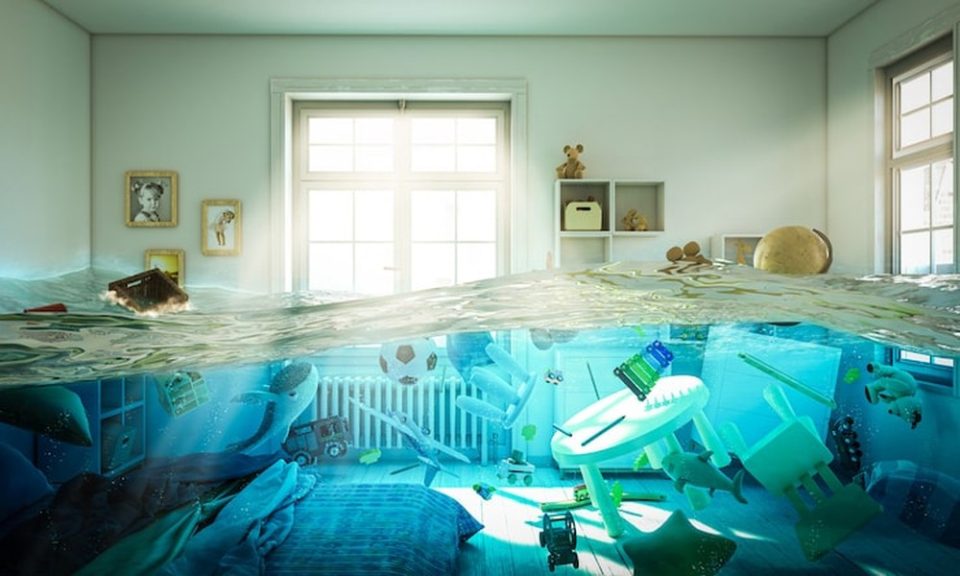
You already know water damage creates stress, cost, and disruption. My role here is to help you think clearly, avoid common mistakes, and choose help that limits long term impact. I look at restoration from a practical view based on what protects property, health, and insurance outcomes. I pay attention to response capability, process control, documentation, and service scope. That is the lens I use throughout this guide.
Early in any water emergency, repair decisions shape the final result. If you are evaluating support for water damage repair nashville, you want more than water removal. You want control, planning, and a team that understands how damage spreads and how insurers review claims. This article walks you through how to think about water damage restoration in Nashville, how flood cleanup fits into the process, and why Rapid Rescue Nashville stands out among local options.
Why water damage restoration matters in Nashville
Water damage rarely stays contained. Moisture moves through drywall, framing, flooring, and insulation. Once materials absorb water, risk increases across the structure. Mold growth, material failure, and odor issues follow when drying lacks control.
Nashville properties face water risks from plumbing failures, roof leaks, storms, foundation seepage, and sewer backups. Each source creates a different cleanup and documentation need. Surface drying alone does not resolve hidden moisture.
Restoration matters because it focuses on outcomes, not appearance. A proper process aims to return materials to safe moisture levels and stabilize the structure. That protects property value and reduces future repair work.
How flood cleanup differs from basic water removal
Flood cleanup involves more than extraction. Water from storms or overflows often carries debris, contaminants, and sediment. That changes how cleanup proceeds.
Flood cleanup includes:
- Controlled water extraction across affected areas
- Removal of damaged materials that cannot dry safely
- Cleaning and disinfection where contamination exists
- Drying and moisture monitoring across structural layers
Skipping steps leads to odor issues, surface damage, or health concerns. Cleanup without monitoring leaves moisture trapped behind walls or under flooring. That risk grows with time.
What to look for in a water damage repair provider
I advise focusing on process and communication rather than promises. A capable provider explains what happens next, what risks exist, and how decisions affect recovery.
Key qualities to look for include:
- Around the clock dispatch and response
- Structured drying and moisture mapping
- Documentation that aligns with insurance review
- Ability to handle related services without handoffs
A provider that covers water, fire, mold, storm, sewage, and reconstruction reduces delays. One team managing the process lowers the chance of gaps between phases.
Why Rapid Rescue Nashville is a strong option
Rapid Rescue Nashville operates as a full service emergency restoration provider based in Nashville. They dispatch at all hours and focus on damage control from the first call.
For water damage restoration in Nashville, they handle extraction, drying, dehumidification, and moisture tracking. They inspect visible and hidden areas, map moisture levels, and place equipment with intent. That approach supports consistent drying across affected materials.
Their documentation process supports insurance claims through photos, readings, and written records. This matters when coverage questions arise or when scope decisions affect reimbursement.
They also address related damage types without shifting responsibility. Fire and smoke damage services include soot cleanup, odor control, stabilization, and restoration planning. Mold remediation focuses on moisture source identification, containment, safe removal, and prevention steps. Storm response includes board up, roof tarping, and temporary protection. Sewage cleanup covers biohazard removal and sanitation. Reconstruction services restore drywall, flooring, paint, and finishes after mitigation.
Commercial restoration services help reduce downtime through priority scheduling and coordinated rebuild work. This matters for businesses that need continuity.
How to approach the first call during a water emergency
Your first call sets the tone. Clear information helps the response team plan.
Share details such as:
- Source of water if known
- Areas affected
- Visible damage or odors
- Safety concerns like electrical exposure
If a situation involves electrical risk or personal danger, emergency services take priority. After safety concerns resolve, restoration assessment can begin.
Rapid Rescue Nashville provides guidance from the first contact through completion. That includes next steps, expectations, and coordination.
How proper restoration protects long term costs
Short term savings from incomplete cleanup lead to higher repair costs later. Moisture left behind causes warping, odor, mold growth, and material failure.
Effective restoration includes:
Insurance coverage varies by water source and policy terms. Documentation often determines claim outcomes. Professional records support clarity during review.
Final thoughts on choosing restoration support
Water damage recovery requires discipline, planning, and speed of response. The right provider reduces uncertainty and protects the property through structure and communication.
Rapid Rescue Nashville serves Nashville and surrounding Middle Tennessee areas such as Brentwood, Franklin, Hendersonville, Mount Juliet, and Murfreesboro. Their focus on response readiness, documentation, and full service restoration makes them a practical choice for water damage restoration, water damage repair, and flood cleanup needs.
If you approach water damage with clarity and the right support, you reduce risk and move back toward stable conditions with fewer surprises.
