
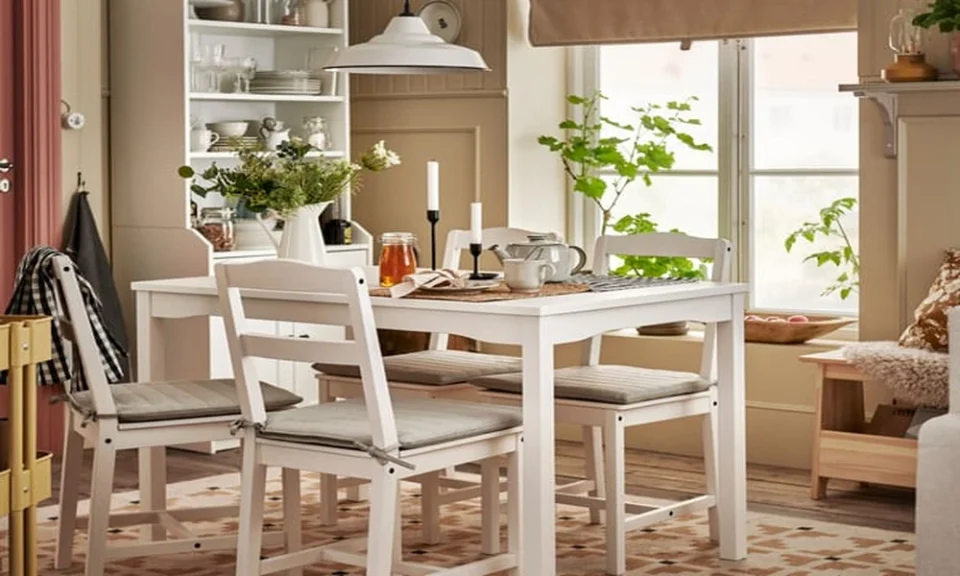
A family dining table lives a completely different life than the one in a furniture showroom photo. It’s homework headquarters on weeknights, an arts-and-crafts station on rainy afternoons, a landing pad for backpacks and mail, and, somewhere in between all of that, an actual dinner table. For families with young kids especially, a dining set needs to survive far more than meals – and a lot of tables that look sturdy in a showroom quietly fail that test within a year or two. Here’s what actually makes a dining set built for real, everyday family life.
Before Anything Else: Trust the Track Record
Because a dining table takes this much punishment, it’s worth checking how specific sets have actually performed for other families before buying – not just how they’re described on a product page. Reading through Coleman furniture reviews is a useful way to see real feedback on how tables have held up over time in households dealing with the same daily chaos yours will bring, rather than relying purely on marketing copy.
Tabletop Material: Where Most of the Damage Happens
The tabletop absorbs the vast majority of daily wear – hot dishes, dropped utensils, crayons pressed a little too hard, the occasional science-fair project assembled directly on the surface. Solid wood tabletops with a durable sealed finish tend to hold up best long-term, resisting scratches and heat marks far better than laminate or lightly finished surfaces. Darker wood tones and finishes with visible grain patterns also tend to camouflage everyday scuffs and minor scratches more effectively than pale, glossy finishes that show every mark clearly.
Why Frame Construction Matters More Than It Looks
A table can have a beautiful, durable top and still fail if the frame underneath isn’t built for real use. Look for solid wood or metal frame construction with reinforced leg joints, rather than lighter frames held together primarily with glue or basic screws. Family dining tables take on more structural stress than people expect – kids leaning on the edges, someone using a chair back for support while standing up, the general instability of a table surrounded by moving, energetic humans multiple times a day. A well-built frame is what keeps a table structurally solid years after a weaker one would have started to wobble.
Chairs Take More Abuse Than the Table Itself
Dining chairs often take even more physical punishment than the table, especially with kids who treat chairs as much for climbing and rocking as for sitting. Chairs with sturdy joinery, wider bases for stability, and upholstery in performance fabrics (if upholstered at all) tend to hold up considerably better than delicate designs. Families with younger kids often find that chairs with wipeable, non-porous seats – whether wood, faux leather, or performance fabric – save considerably more cleanup time than fabric options that stain easily.
Extendable and Expandable Sets: Useful, But Check the Mechanism
Extendable dining tables are popular with growing families for good reason – they flex between an everyday-sized table and a larger surface for holiday gatherings or extra guests. The tradeoff is that extension mechanisms introduce more moving parts that can wear out or loosen over time if not well built. Look specifically for smooth-gliding, metal-reinforced extension slides rather than lighter mechanisms, since this is often where cheaper extendable tables start to show problems years before the tabletop or frame would otherwise need replacing.
Finishes That Actually Resist Everyday Life
Beyond the wood itself, the type of finish applied makes a significant difference in how well a table resists daily family use:
- Matte and satin finishes tend to hide scratches and fingerprints better than high-gloss finishes.
- Sealed, moisture-resistant finishes are essential for tables that regularly deal with spilled drinks and wet dishware.
- Darker stains generally mask everyday wear more effectively than very light or white-washed finishes, which show scuffs and marks more visibly over time.
Setting Realistic Expectations
Even the most durable dining set will show some signs of life with a family around it – a small scratch, a faint water ring, a slightly looser chair joint after a few years of enthusiastic use. The goal of choosing a genuinely durable set isn’t avoiding all wear entirely; it’s choosing construction and materials that age gracefully rather than falling apart, so the table still feels solid and presentable well into the years when it’s seen thousands of family dinners, homework sessions, and everything in between.
For guidance on general furniture care that extends the lifespan of any dining set, independent home-care resources covering wood furniture maintenance offer practical, brand-neutral tips on cleaning and protecting finishes over time.
A Table Built to Actually Live With
The best family dining table isn’t the one that looks flawless in a catalog photo – it’s the one still standing up to daily use years later, scratches and all, because it was built with the right materials and construction from the start. Shopping with that daily reality in mind, rather than styling alone, is what separates a table that becomes a genuine family fixture from one that needs replacing well before the kids are done needing a place to do their homework.
