
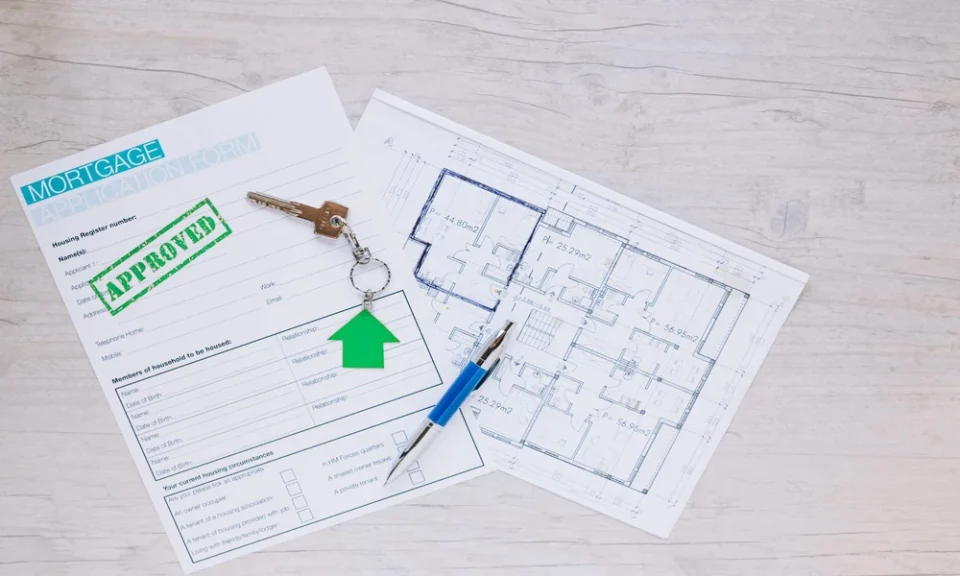
Two contractors quote the same house, the same rough dimensions, the same general brief, and the numbers that come back can differ by a genuinely significant margin. It’s tempting to read that gap as one contractor being expensive and the other being a bargain. More often, the actual explanation is considerably less dramatic: the two quotes simply aren’t pricing the same scope of work in the first place, even though they appear to be describing the same project on paper.
What Tends to Sit Inside a Quote, and What Tends to Sit Outside It
Scope differences between quotes tend to cluster around a fairly predictable set of items, even though every contractor draws the line slightly differently:
| Often Included by Default | Often Excluded, Priced Separately |
| Core structural work and main building shell | Landscaping and external hardscaping |
| Standard internal finishes | Driveway paving and gate installation |
| Basic mechanical and electrical fit-out | Upgraded fittings, sanitary ware, or premium finishes |
| Project management and permit submissions | Certain statutory fees and utility connection charges |
Neither column is universally right or wrong; different contractors structure their pricing differently for entirely legitimate reasons. The problem only arises when two quotes get compared purely on their bottom line, without anyone checking whether they’re actually itemising the same list of inclusions underneath that number.
Why Quotes End Up So Different for What Looks Like the Same Project
A contractor pricing everything a project genuinely needs, landscaping, driveway, upgraded fittings, all included from the start, will naturally quote a higher headline number than one that’s priced only the core build and left everything else as a later add-on. Both approaches are internally consistent. The confusion happens when a homeowner places the two numbers side by side and assumes they’re comparing equivalent offers, when one quote is actually describing a considerably smaller slice of the total project than the other.
Why This Matters When Actually Comparing Contractors
Getting a genuinely useful comparison between options requires looking past the total figure and into what each number actually represents, item by item, rather than assuming a lower headline price automatically means better value. Reputable design and build contractors in Singapore should be able to walk through exactly what’s included in their number without hesitation, since a contractor reluctant to itemise their scope clearly is often the one whose quote has the most excluded from it.
Why the House Plan Itself Should Come With Realistic Pricing Context
A floor plan alone rarely communicates the actual cost implications of a particular layout, roofline, or material choice, which means two homeowners looking at similar-looking plans can end up with wildly different final budgets depending on details that weren’t obvious from the drawings themselves. Pricing guidance attached directly to a house plan, rather than left entirely to a separate quoting conversation later, gives a homeowner a far more realistic starting point before design decisions get too far along to easily adjust.
Why Realistic Cost Context Belongs in the Design Conversation From the Start
Folding cost awareness into the design process itself, rather than treating pricing as a separate step that happens only after a plan is finalised, tends to prevent the more painful version of this problem: a beloved design that turns out to be considerably more expensive than expected once actual quotes come in. Thoughtful architecture home design pairs concept development with genuine pricing transparency from the outset, so cost surprises get caught early, while adjustments are still easy to make, rather than after a design has already been finalised.
Why This Confusion Persists Despite Being Entirely Avoidable
Nobody sets out to compare quotes unfairly; it’s simply easier to scan for the smallest number than to read through several lengthy scope documents line by line. That shortcut is understandable under time pressure, but it tends to reward whichever contractor excluded the most from their initial number, rather than the one actually offering the best value once the full scope is properly accounted for.
A lower quote isn’t automatically a better one, and a higher quote isn’t automatically padded. The number that actually matters is the one attached to a scope that’s been properly compared, item by item, against every other option on the table, not simply the smallest total sitting at the bottom of the page.
Want a quote you can actually compare properly against others? Contact Meridian Homes for a clearly itemised breakdown from the start.
