
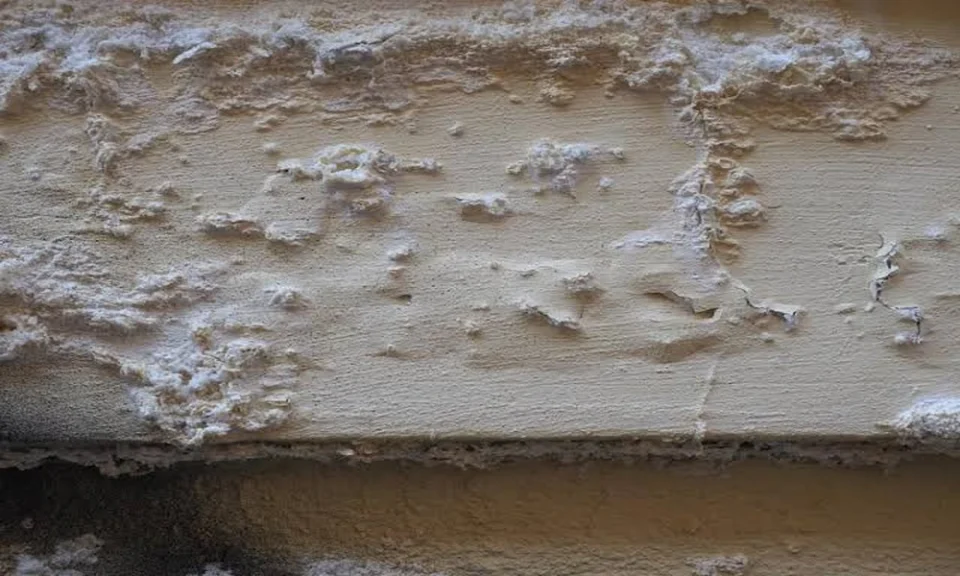
The first few minutes after a leak follow the same script in almost every house. Someone shuts the valve under the sink, every towel in the linen closet lands on the floor, and a box fan gets dragged in from a bedroom. By evening the puddle is gone and the whole thing feels handled. The instinct to move fast is right. The trouble is that most choices made in that first hour rest on beliefs about water that fall apart once you look past the surface.
Water rarely stays where it lands. It wicks up drywall, slides under baseboards and settles into the gaps beneath cabinets and flooring. In Quincy, where humid coastal summers give way to winters that can freeze supply lines in exterior walls, and where many homes date to the early twentieth century with plaster walls and basements never designed as living space, those hidden paths are everywhere.
It helps to separate two ideas people tend to blend together. Cleaning up water and drying a building are different jobs. Cleanup removes what you can see. Drying removes what has soaked into wood, gypsum, concrete and insulation, and that second job is where most homeowner efforts fall short without anyone noticing.
When a leak goes beyond what a mop can handle, water damage restoration in Quincy from American Restoration Professionals starts with the part a homeowner cannot easily do alone, which is tracing where the water traveled and pulling it back out of the structure. Their IICRC certified crews handle extraction, structural drying and moisture detection around the clock from a base in neighboring Weymouth. If the water has picked up contamination from a backed up drain or an overflowing toilet, their Sewage Cleanup team cleans, disinfects and sanitizes the space so it is safe to use again. If you are looking at a wet floor and are not sure how far the water went, call (617) 945-4510 and talk it through.
The Wall That Feels Dry
The belief is simple. If the wall feels dry and the floor no longer looks dark, the water must be gone. Touch only reads the outermost layer. The paper face of drywall can feel dry while the gypsum core and the wood plate at the base of the wall still hold water. Hardwood can feel fine on top while absorbing moisture from below. Vinyl plank and laminate can trap water against the subfloor beneath a surface built to shed it.
This is the gap between surface drying and structural drying. Surface drying happens when room air pulls moisture off the face of a material, while structural drying draws moisture out of its interior until readings match unaffected materials elsewhere in the house. A hand on the wall tells you about the paint, while a moisture meter and thermal camera tell you about the wall. Plaster in older Quincy homes behaves differently from modern drywall, and its hard, cool face can disguise moisture sitting behind it.
Fans and a Basement Dehumidifier
Plenty of homeowners assume a few household fans plus the dehumidifier already in the basement will handle it. Those tools help with room air, but they are not built to pull water out of soaked materials. A box fan moves air loosely around a space, while a restoration air mover pushes a steady stream across a wet surface at close range. A home dehumidifier is sized to keep a basement from feeling damp, while a drying setup is sized to the amount of wet material and adjusted as readings change.
Fans without enough dehumidification can also lift moisture off the floor and push it into the air, carrying dampness into rooms that were never wet. The EPA’s mold guidance recommends keeping indoor humidity between 30 and 60 percent using ventilation, air conditioning and dehumidifiers, a sensible everyday target. After a leak, though, the moisture is locked inside materials rather than floating in the air. On a muggy Quincy summer day, opening windows can let in more moisture than it lets out.
The Small Leak That Can Wait
A slow drip under the kitchen sink seems like something to schedule for next week. In practice, small, steady leaks often do more damage than a sudden spill because they soak the same spot over and over. Particleboard cabinet bases swell and crumble, subflooring softens, and the dark space under a sink is exactly where mold likes to start. The same EPA guidance advises drying damp materials and furnishings within 24 to 48 hours to prevent mold, a window a slow leak can pass without anyone realizing it.
Quincy’s housing adds its own risks. A pipe in an exterior wall that cracked during a cold snap may drip inside the cavity long before a stain appears. In the two and three family houses common in many neighborhoods, a small leak upstairs can travel through the joists and surface in someone else’s kitchen. A quick wipe up deals with the puddle, while a moisture checked cleanup confirms the cabinet floor, the wall behind it and the subfloor below are dry before anything is put back.
Clean Water That Stops Being Clean
Water from a supply line starts out clean, so many people treat the event as harmless. Restorers follow the IICRC S500 standard, which sorts water losses by contamination level and recognizes that clean water does not stay clean forever. As it sits and soaks through a house, it picks up dust, insulation fibers, soil from a basement floor and whatever has been living in a wall cavity.
Some sources are never clean to begin with, since washing machine and dishwasher drain water already carries soap and food residue. A clean water loss handled early is mostly a drying job, while the same loss handled late can mean removing carpet pad, drywall and insulation and cleaning what remains before rebuilding.
Measuring Before Calling It Done
The towels and the box fan are not wrong, just incomplete. Stopping the water, cutting power to wet areas when safe and moving belongings aside are the right first moves. The step most people skip is measuring before deciding the job is finished. A house that feels dry and a house that tests dry are two different things, and in Quincy’s mix of older homes and damp seasons, that difference often separates a clean recovery from a problem that appears months later.
