
The Art and Science of Overseeding: What You Need to Know
Understanding the Benefits of Overseeding for Your Lawn
Overseeding the practice of introducing new grass seed into existing turf without removing the sod is a proven technique that blends both skill and science in effective lawn care. Professional overseeding services take this process a step further by ensuring proper timing, seed selection, and soil preparation for optimal results. The advantages of overseeding go well beyond improving appearance; it is a comprehensive method for strengthening your lawn’s overall health and durability. One of the key benefits is the restoration of thin or bare patches that often develop due to heavy foot traffic, lawn diseases, or pest damage. By adding fresh seed, homeowners can encourage thicker growth and create a more resilient turf capable of handling environmental stress.
In addition, overseeding helps enhance disease resistance by minimizing the open spaces where weeds, insects, and pathogens typically establish themselves. A denser lawn creates natural competition among grass plants, supporting a healthier and more balanced ecosystem. New seedlings are often bred for improved vigor and adaptability, which allows them to perform better than older grass varieties. This is particularly valuable in regions that experience extreme temperatures, drought conditions, or seasonal weather fluctuations.
Furthermore, overseeding promotes stronger root development, especially when combined with complementary lawn treatments such as dethatching and aeration. Lawns that receive coordinated overseeding services often develop deeper and more extensive root systems, improving their capacity to absorb water and nutrients efficiently. As a result, the turf becomes greener, thicker, and more sustainable over time, potentially lowering the need for excessive watering and fertilization. Overseeding also provides an opportunity to introduce grass varieties better suited to evolving climate conditions, helping ensure that your lawn remains healthy, vibrant, and well-adapted for years to come.
The Best Seasons for Overseeding: Timing is Everything
Timing plays a crucial role in the success of overseeding. Generally, the ideal windows for overseeding vary according to the type of grass being utilized, either cool-season or warm-season varieties. Cool-season grasses, such as Kentucky bluegrass, fescue, and ryegrass, thrive when temperatures are moderate, typically germinating best during early spring or late summer to early fall. This attention to seasonal timing is vital, as it allows the seeds to establish roots before harsh summer heat or winter cold sets in.
Conversely, warm-season grasses like Bermuda, zoysia, and centipede grasses flourish in warmer temperatures and are best overseeded in late spring or early summer. During these respective seasons, the soil temperatures climb to an optimal range for germination, which significantly improves the chances of successful establishment. Additionally, the ambient weather conditions during these seasons provide ample rainfall and less extreme conditions to support the growth of new grass.
Homeowners should take note, however, that temperature alone isn’t the only factor; soil moisture is also critical. A soil test prior to overseeding can yield insights into pH levels and nutrient content, guiding you toward the best outcome for your lawn. Staging your overseeding according to regional climate patterns can mean the difference between a flourishing lawn and a disappointing landscape.
Choosing the Right Seed Varieties: A Guide to Optimal Growth
Cool-Season vs. Warm-Season Grasses: What’s Right for You?
When it comes to grasses, understanding the distinction between cool-season and warm-season varieties is essential for a successful overseeding initiative. Cool-season grasses typically perform their best when air temperatures range between 60°F to 75°F, characterized by lush growth in spring and fall. These varieties develop deep roots that allow them to withstand drought during warmer periods. Homeowners in northern climates often prefer cool-season grasses due to their hardy nature and ability to thrive in transitional zones.
On the other hand, warm-season grasses are generally suited to southern regions, enjoying optimum growth when temperatures rise above 80°F. With a focus on resilience to heat and drought, these grasses have a lower water requirement once established. They enter dormancy during the colder months, making them less vibrant but still capable of surviving temperature drops. Understanding your regional climate, the specific micro-environments in your yard, and your lawn care goals can guide your choice between these grass types. Choosing the incorrect grass type could lead to struggles with growth, moisture retention, and overall lawn health.
Consider what your lawn will be subjected to a high foot traffic area may warrant a more durable variety of grass, while a shaded spot could benefit from a shade-tolerant blend. Additionally, factors such as soil type and drainage should also be taken into account to ensure the selected grass will thrive. For example, fine fescue is excellent in shady areas, while tall fescue can perform well in heavy traffic areas. Consulting with local extension services or lawn professionals may provide insights and advice tailored specifically to your local conditions, enhancing the chances of success in your overseeding project.
Native Grasses: Cultivating a Lawn That Thrives
In recent years, there’s been a noteworthy shift towards utilizing native grasses in lawn overseeding, promoting biodiversity and sustainability. Native grasses have adapted to the local environment over time, making them inherently more resilient to local pests, diseases, and climatic fluctuations. By incorporating native grass varieties into your lawn, you not only enrich the aesthetic appeal but also foster ecological synergy by providing habitats for local wildlife, including pollinators.
Using locally-sourced seed can reduce water consumption significantly, as native plants are typically well-suited to local soil and climatic conditions, requiring less irrigation once established. This strategy aligns with modern sustainable practices aimed at conservation and reducing the ecological footprint of lawn maintenance. Moreover, native grasses can suppress weeds by naturally outcompeting them, which greatly benefits your overarching lawn care strategy without requiring chemical herbicides.
It’s important to research which native grasses will work best in your local area. For example, regions with high moisture levels may find species such as blue grama highly effective, while those in dryer climates may benefit from buffalo grass due to its drought-resistance. Engaging local nurseries or extension offices can provide tailored guides for which native varieties to incorporate, enhancing not only the beauty but also the ecological value of your lawn.
The Overseeding Process: A Step-by-Step Adventure
Preparing Your Lawn: From Mowing to Soil Testing
Successful overseeding begins with thorough preparation. The overarching strategy encompasses several key stages, starting with mowing the lawn to a lower height than usual. This lowers competition between the existing grass and the new seedlings, allowing the latter to effectively establish roots. The mowing height must be reduced to around one to two inches, depending on your particular grass type. Post-mowing, it’s essential to collect the clippings as they may hinder seed-to-soil contact, which is crucial for germination.
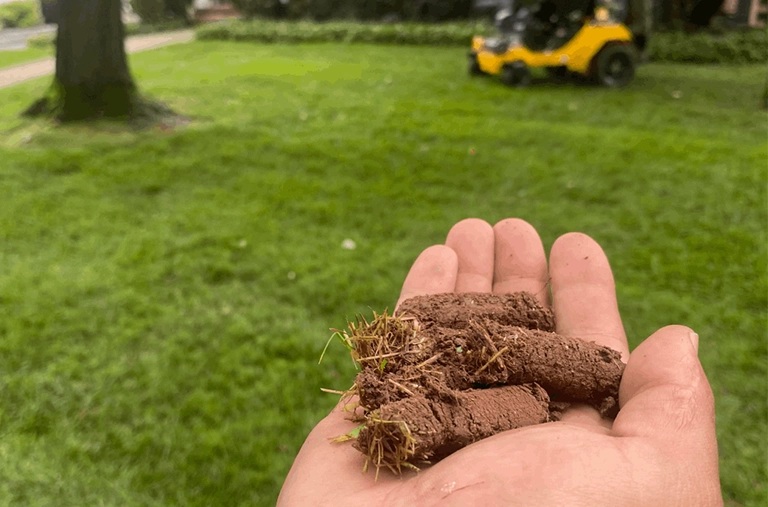
Next comes soil testing, an essential but often overlooked step. This testing provides insights into important soil characteristics, including pH levels and nutrient content, which directly influence germination and growth. Based on the findings, homeowners can effectively amend the soil with the correct balance of nutrients, ensuring that the existing turf isn’t deprived of essential support. Aeration also plays an integral role and should be on the checklist. Aerating loosens compacted soil, enabling better seed penetration and moisture retention, while also allowing for improved air circulation and nutrient absorption.
Clearing the lawn of debris, such as leaves and stones, is equally important for achieving optimal results. These obstacles can prevent seed germination and create an uneven lawn. In the final stage of preparation, consider lightly thatching your lawn. While not always necessary, dethatching can remove excess organic matter that may inhibit the establishment of new seeds. By taking these deliberate steps in preparation, the foundation is set for a successful overseeding endeavor.
Techniques for Successful Overseeding: The Best Methods Explained
Once your lawn is adequately prepared, the overseeding process can commence. Various techniques can be employed to ensure that newly introduced seeds have the best chance of thriving. One common method is traditional broadcasting, where seeds are spread evenly using a handheld or push spreader. A consistent approach minimizes bare patches and enhances seed-to-soil contact, which is essential for germination.
Alternatively, using a slit seeder can provide even greater benefits. This machine slices into the soil, creating grooves where seeds can settle down, directly making contact with moist soil. This method is particularly effective in ensuring good seed-to-soil contact, leading to a higher germination rate than traditional broadcasting. Some homeowners may also choose to apply a topdressing layer of compost after the seeds are applied. This layer serves multiple purposes: it provides organic matter, enhances nutrients, and helps improve moisture retention in the surrounding soil.
Regardless of the technique chosen, homeowners must keep in mind that covering the seeds lightly with soil or compost can lead to improved germination outcomes by protecting them from birds and other scavengers. After overseeding, it’s important to monitor the weather; avoiding overseeding right before heavy rains or while the ground is too dry will pay dividends by maximizing germination success.
Maintaining Your Newly Overseeded Lawn: Tips for Long-Term Success
Watering Wisely: Establishing the Perfect Routine
Once overseeding is complete, nurturing your new grass requires a carefully crafted watering routine. Newly germinated grass seeds have delicate roots and require consistent moisture to establish themselves. The first step is to ensure that the lawn receives frequent, light watering ideally twice a day for the first two weeks. This regimen not only supports the seeds but also keeps the existing grass healthy, fostering a lush and sustainable lawn environment.
After this initial period, you can gradually adjust your watering schedule as the seedlings begin to take root. Transitioning to deeper, less frequent watering sessions around once every three days, depending on the weather allows for the development of robust root systems that can access deeper soil moisture. The key is to ensure the soil remains consistently moist but not waterlogged, which can lead to fungal issues and drown the new grass.
Utilizing tools such as soil moisture sensors or indicators can help in assessing the lawn’s watering needs more accurately. Observing the grass for signs of stress such as wilting or color dullness can also cue you in on whether adjustments are needed. Remember that different grass varieties may have unique moisture requirements, so cater your approach accordingly. Establishing this perfect routine not only supports the immediate growth of the seedlings but also lays the foundation for a thriving lawn in the years to come.
Fertilizing and Weed Control: Keeping Your Lawn Lush and Healthy
Fertilization is a pivotal component of maintaining a newly overseeded lawn. Selecting the correct fertilizer type and timing can significantly optimize growth and health. Newly planted seeds benefit from a starter fertilizer rich in phosphorus, which promotes root development. Applying this at the time of overseeding and water it in to activate the nutrients, ensuring the seeds have access to essential building blocks for strong growth.
After the seedlings are well-established, about four to six weeks post-overseeding, transitioning to a balanced fertilizer can help sustain growth throughout the growing season. It’s crucial to follow recommended application rates to avoid burning or damaging the young grass. Additionally, over-fertilization can lead to excessive top growth, making the lawn more susceptible to disease.
Weed control is another critical aspect to consider. Newly seeded areas can attract opportunistic weeds, so employing pre-emergent herbicides may be wise; however, it’s essential to choose those that are safe for use with newly established grass to avoid damaging your efforts. Competing against weeds for nutrients can diminish your lawn’s health; thus, employing integrated pest management strategies can assist in keeping your overseeded lawn pristine without relying solely on chemicals.
Moreover, incorporating regular mowing, even as the newly overseeded grass begins to establish, can enhance its density and vigor. Mow at a higher setting to encourage grass health while minimizing stress on new seedlings. With patience and attentive care, your overseeded lawn can flourish into an enduring landscape element that enhances your home’s beauty and value.