
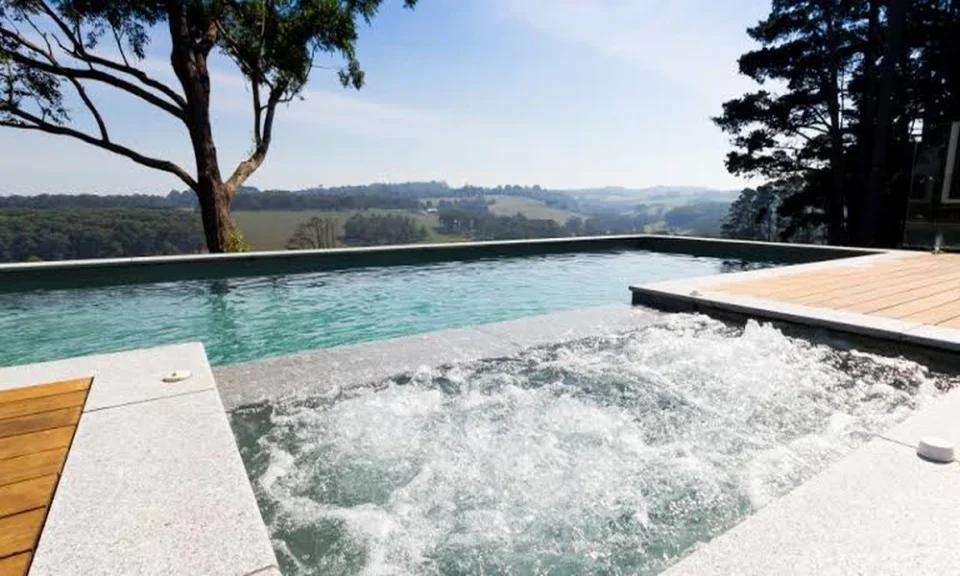
In a subtropical climate, a backyard pool is less of a luxury and more of a way of life. Long, warm summers and mild winters mean a pool can be used for much of the year. But before you can enjoy it, you have to make one of the biggest decisions in the whole process: fibreglass or concrete?
Both can produce a beautiful pool. They are built very differently, though, and those differences affect cost, timing, maintenance and how the pool suits your yard.
How Each Type Is Built
A fibreglass pool is made in a factory as a single, finished shell. Once your site is prepared, the shell is delivered, craned or moved into place, levelled, backfilled and connected. Most of the work happens off site.
A concrete pool is built on site from scratch. The hole is dug, steel reinforcement is placed, concrete is sprayed in, and then the pool is rendered, tiled or finished. Each stage needs time to cure before the next can begin.
Installation Time
This is one of the biggest practical differences. Because fibreglass shells arrive ready made, installation is usually far quicker. Concrete pools involve multiple trades and curing periods, so they generally take considerably longer from first dig to first swim.
If you want the pool ready for summer, or simply want your backyard back sooner, the faster timeline of fibreglass is a big advantage.
Maintenance and the Climate
Warm, humid weather is great for swimming and also great for algae. Surface matters here.
Fibreglass has a smooth, non-porous gel coat surface. Algae and bacteria find it harder to cling to, so many owners find fibreglass pools need less brushing and fewer chemicals to keep clean.
Concrete is porous and can provide more places for algae to take hold, so it often needs more regular brushing and chemical balancing. Concrete pools may also need resurfacing at some point in their life.
Design Flexibility
Concrete wins on flexibility. Because it is built on site, it can be almost any shape, size or depth, with custom steps, ledges and features.
Fibreglass pools come in set designs. That said, modern ranges are much broader than many people expect, with lap pools, plunge pools, family pools and designs with built in seats, ledges and spas. For most backyards, there is a fibreglass model that fits.
Cost Over Time
Upfront prices vary depending on size, site conditions, access and finishes, so it is always worth getting quotes for your specific yard. Beyond the upfront cost, think about the running costs over the life of the pool, including chemicals, cleaning time and any future resurfacing. Lower ongoing maintenance is one reason many homeowners lean towards fibreglass.
Comfort Underfoot
The smooth finish of a fibreglass pool is gentle on hands and feet, which many families appreciate, especially with young kids who spend hours in the water. Concrete finishes vary, with some textures feeling rougher than others.
Site Conditions and Access
Every backyard is different. Sloping blocks, rock, tight side access and nearby structures can all affect which option makes sense. Fibreglass shells need a clear path for delivery, often by crane, while concrete can be built in yards with very limited access but takes longer.
A site inspection from an experienced builder is the best way to understand what will work on your block.
Choosing a Builder
Whichever type you choose, the builder matters as much as the pool. Look for someone who will be on site, explain the process clearly and stand behind the work.
On the Gold Coast, for example, Built Right Pools is run by Shane, who has spent more than 17 years in the pool industry, including time as agent manager for Barrier Reef Pools head office at Beaudesert, and has supervised more than 170 pool installations. If you are researching fibreglass pools Gold Coast builders, ask each one about their experience, who will supervise your job and how long installation will take.
Which Should You Choose?
Choose concrete if you need a completely custom shape or size and are comfortable with a longer build and more ongoing maintenance.
Choose fibreglass if you want a faster installation, a smooth surface that is easier to keep clean in a warm climate and a proven design that suits most backyards.
For many families in subtropical areas, fibreglass hits the sweet spot between convenience, comfort and value, and gets them swimming sooner.