
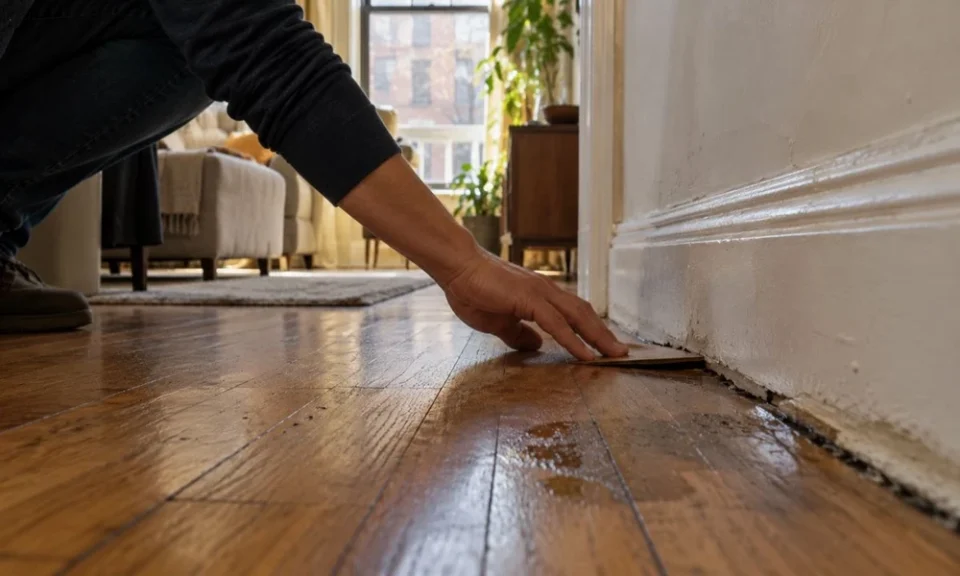
Most homeowners think of plumbing problems as things they can see: a stained ceiling, a dripping tap, a wet bathroom wall. But some of the most damaging leaks happen in the one place nobody visits. The crawl space or sub-floor area beneath your house is dark, enclosed and easy to forget, which makes it an ideal spot for a leak to go unnoticed.
Why the Sub-Floor Space Is So Vulnerable
Pipes that run beneath a house carry water to kitchens, bathrooms and laundries. They sit in a space with limited airflow, and they are exposed to temperature changes, soil movement and the occasional visit from pests. Joints loosen, old fittings corrode and flexible connectors wear out.
Because nobody checks this area regularly, a small drip can continue for a long time. Moisture builds up, and the conditions beneath your floor slowly become ideal for mould and decay.
Signs You May Have a Leak Under the House
The symptoms often show up inside the home first. Watch for:
- A persistent musty or damp smell, especially near floors
- Floorboards that feel soft, spongy or look warped
- Cupped or lifting timber flooring
- Mould or mildew appearing on skirting boards or lower walls
- Cracks developing in walls or ceilings
- A higher-than-normal water bill
- A meter that moves when no water is being used
If you notice more than one of these, the cause could be beneath your feet rather than in the room itself.
What Moisture Does to a Home
Timber floors and framing are strong, but they do not cope well with constant dampness. Prolonged moisture can lead to rot, weaken structural timbers and invite termites, which are drawn to damp wood. Mould can spread into wall cavities and affect indoor air quality.
The longer the water sits there, the more the repair bill grows. A pipe fix that might have been modest can turn into a larger job involving flooring, framing and remediation.
Why You Should Not Guess
It is tempting to crawl under the house with a torch and look for the problem. Sometimes that works. Often it does not, because leaks hide behind other pipes, inside insulation or below layers of soil. Water can also travel along a pipe or joist before it drips, so the wet spot is not always the source.
This is where professional under house water leak detection makes a real difference. Technicians use specialised tools, such as moisture meters, thermal imaging and acoustic equipment, to find the exact source without tearing up your floors or walls. The result is a precise answer instead of an expensive guess.
The Link Between Indoor and Outdoor Leaks
Sometimes the problem is not under the house at all. Supply lines run from the street connection through the yard before reaching your home, and a break in that outdoor section can send water towards the foundation. If you have checked beneath the floor and found nothing, it is worth looking further out. Professional underground water leak detection services can trace buried lines and identify leaks that never surface in the garden.
Checking both areas gives you a complete picture and avoids fixing one problem while a second quietly continues.
Simple Steps You Can Take Today
Before calling anyone, you can gather useful information:
- Turn off every tap and appliance that uses water.
- Read your water meter and note the number.
- Wait an hour or two without using any water.
- Read the meter again.
If the number has changed, water is going somewhere it should not. That simple test tells you a leak exists, even if it cannot tell you where.
Prevention and Regular Checks
A little routine attention reduces the chances of a surprise. Check your water bill for sudden jumps, inspect accessible pipes for corrosion, and make sure the sub-floor area has adequate ventilation. If your home is older, consider a periodic plumbing inspection so that ageing pipes are assessed before they fail.
When to Call a Professional
Call for help as soon as you notice persistent dampness, a meter that will not sit still, or unexplained structural changes. Acting quickly limits the damage, and a clear diagnosis lets you plan the repair rather than react to an emergency.
What a Typical Assessment Involves
A professional visit usually begins with questions about the symptoms you have noticed and a check of your water meter. The technician then inspects accessible areas, takes moisture readings and listens to the pipes. You should come away with a clear explanation of where the water is escaping, what is causing it and what the repair is likely to involve, so you can decide on next steps with confidence.
Final Thoughts
What happens beneath your house matters as much as what happens inside it. Knowing the signs, running a quick meter test and using proper detection methods can protect your home, your health and your budget from a problem you cannot see.
