
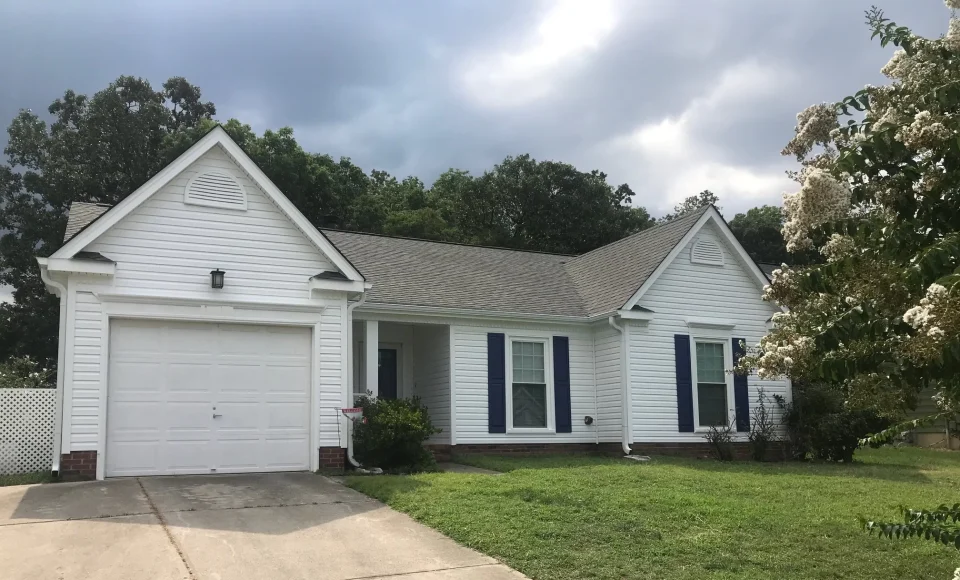
For many homeowners in North Jersey, high utility bills are often blamed on old windows, an aging HVAC system, or poor attic insulation. While those factors certainly matter, siding is another major part of the home’s energy performance that is often overlooked. When exterior materials begin to age, crack, loosen, or allow moisture to enter, your home can lose conditioned air far more easily than most people realize.
Replacing worn siding can do more than refresh the appearance of a house. It can help create a stronger building envelope, reduce energy loss, and make indoor temperatures easier to maintain throughout the year. In a region known for hot summers, freezing winters, and changing seasonal conditions, that improvement can lead to noticeable savings over time.
Why siding affects energy performance
Siding acts as a protective outer shell for your home. It helps block wind, moisture, and outdoor temperature extremes while supporting the insulation system behind the walls. When siding begins to fail, small openings and hidden damage can allow air leaks to develop. This makes it harder for your heating and cooling system to maintain a stable indoor climate.
In North Jersey, that matters year-round. During winter, warm indoor air can escape through gaps and weak points in the exterior. In summer, heat can push inward and make your air conditioner work longer. Even minor exterior deterioration can increase energy demand over time, especially in older homes.
When homeowners invest in new siding, they are often improving more than the visible surface. A quality replacement project may also address damaged underlayment, moisture barriers, insulation gaps, and other issues that contribute to energy waste.
The role of insulation and air sealing
One of the biggest advantages of modern siding systems is the opportunity to improve insulation and air sealing at the same time. Many replacement projects include insulated siding options or allow contractors to inspect the wall assembly beneath the old material.
This matters because energy efficiency depends on how well the entire exterior system works together. New siding can help by:
- Reducing drafts around exterior walls
- Limiting thermal transfer from outside temperatures
- Supporting better moisture management
- Helping insulation perform more effectively
When these improvements are combined, homeowners may notice rooms feeling more comfortable and less uneven in temperature. Spaces that once felt cold in winter or overly warm in summer can become easier to regulate.
For homeowners considering siding replacement in Morris County NJ, this can be especially valuable in neighborhoods with older housing stock, where energy loss often comes from a combination of outdated materials and hidden exterior wear.
Lowering the workload on your HVAC system
When a home loses less heated or cooled air, the HVAC system does not need to cycle as often or run as long. That reduced workload can lead to lower monthly utility costs and may also help extend the life of heating and cooling equipment.
This is one of the practical benefits of replacing aging siding before problems become more severe. Instead of constantly compensating for heat loss, air leaks, or moisture issues, your home becomes more efficient at holding the temperature you want.
Homeowners often focus on visible upgrades, but efficiency gains are one of the most valuable long-term returns. While the exact savings vary depending on the size of the home, the existing condition of the exterior, and the type of replacement material used, better-performing siding can absolutely support lower energy use over time.
Protection against moisture and hidden damage
Energy efficiency is not only about insulation. Moisture intrusion can quietly reduce the performance of wall systems and lead to expensive repairs. If water gets behind damaged siding, insulation can lose effectiveness, wood framing can deteriorate, and mold issues may begin to develop.
A proper replacement project addresses these risks by restoring the protective barrier around the home. This helps keep insulation dry, preserves structural materials, and prevents the kind of hidden damage that can drive both repair costs and utility bills higher.
For many households looking into siding replacement in Passaic County NJ, this combination of protection and efficiency is a major reason to move forward. A home that is better sealed and better protected tends to perform better in every season.
Better comfort throughout the year
One of the first things homeowners notice after replacing siding is not always the bill reduction. Often, it is the improved comfort inside the home. Drafty areas may feel more stable. Temperature swings from room to room may lessen. The home may feel quieter and more protected during storms or cold weather.
This improvement in comfort is directly related to energy performance. A house that holds conditioned air more effectively simply feels better to live in. And when comfort improves without needing to constantly adjust the thermostat, savings often follow.
When replacement makes more sense than repeated repairs
There comes a point when patching exterior problems is no longer the most cost-effective choice. If siding is cracked, warped, loose, faded, or requiring frequent maintenance, replacement may offer a better long-term result than continuing to repair isolated sections.
This is especially true when the underlying issue is no longer just cosmetic. If energy loss, water intrusion, and rising maintenance needs are all part of the picture, a full upgrade can solve multiple problems at once.
That is often why homeowners start by searching for siding replacement near me when they begin noticing both exterior wear and higher utility bills. They are not only looking for a visual improvement. They want a solution that protects the home and improves day-to-day performance.
Choosing the right material for North Jersey homes
Not all siding materials perform the same way. Climate, maintenance expectations, budget, and home style all play a role in selecting the best option. Vinyl siding, insulated vinyl, fiber cement, and engineered wood are among the popular choices, each with its own benefits.
The right contractor can help evaluate what makes sense for your property and whether your current exterior issues are affecting efficiency more than you realize. A professional inspection can also identify whether there are hidden wall problems contributing to higher bills.
A smart upgrade with long-term value
Replacing siding is one of the few home improvements that can strengthen curb appeal, improve weather protection, and support lower energy use at the same time. In North Jersey, where homes face changing temperatures and seasonal extremes, that makes it a practical investment rather than just a cosmetic update.
When siding is old or underperforming, your home works harder than it should. A well-planned replacement can help reduce that strain, improve comfort, and create a more efficient exterior that supports lower costs in the years ahead.
If you want a deeper explanation, you can check out this Top Siding Replacement Service in North Jersey
