
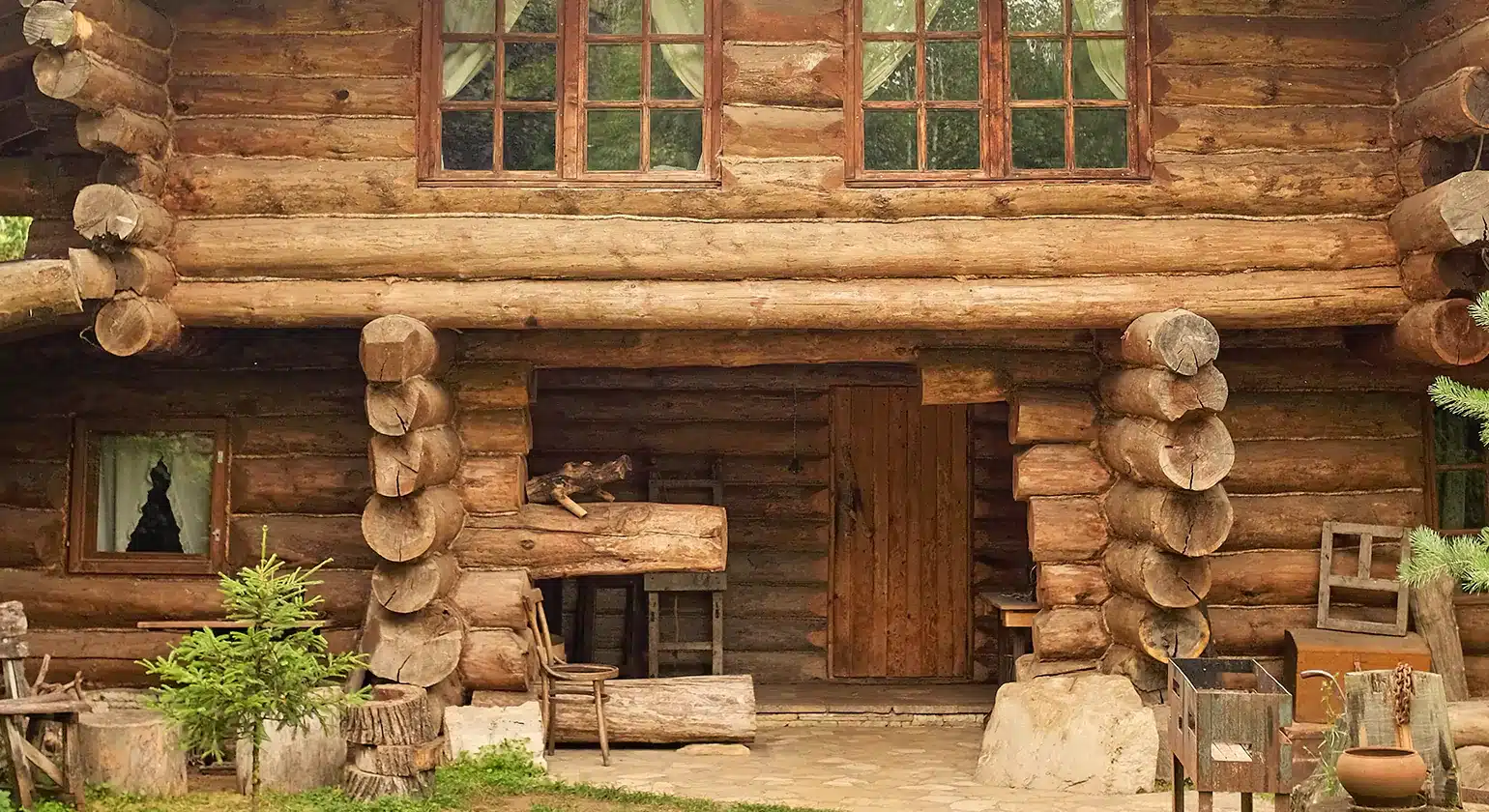
Summer is the season when garden spaces come into their own, but warm weather can quickly make indoor areas uncomfortable if they are not properly prepared. Timber buildings behave differently from brick structures, reacting to changes in temperature and humidity throughout the day. To enjoy your cabin during the warmer months, it’s essential to understand how ventilation, insulation and cooling work together.
With the right approach, log cabins can remain cool, fresh and pleasant even during prolonged hot spells.
Why Summer Comfort Requires a Balanced Approach
Many people assume insulation is only important for winter, but it plays an equally important role in summer comfort. Good insulation slows down heat transfer, helping keep hot air out during the day and maintaining a more stable internal temperature.
Ventilation, on the other hand, allows excess heat and moisture to escape, preventing stuffiness and condensation. Cooling methods then enhance comfort without placing unnecessary strain on the structure or energy usage. When combined correctly, these elements create a space that feels usable all summer long.
The Importance of Proper Ventilation
Ventilation is the first line of defence against summer heat. Without adequate airflow, warm air becomes trapped inside, making the interior feel stifling and uncomfortable. Moisture can also build up, which is not ideal for timber.
Opening windows and doors regularly encourages fresh air to circulate. Cross-ventilation is particularly effective, where air enters from one side of the cabin and exits from the opposite side. This natural movement helps push hot air out and bring cooler air in.
For cabins used daily or for longer periods, vents or trickle ventilation can provide continuous airflow without compromising security. Even a small improvement in air circulation can make a noticeable difference during hot weather.
How Insulation Helps in Summer
While ventilation removes heat, insulation prevents it from entering in the first place. Roof insulation is especially important, as the roof receives the most direct sunlight throughout the day. Without it, heat radiates straight into the cabin, raising the internal temperature quickly.
Wall insulation also helps regulate heat gain, particularly on sun-facing sides. Quality insulation materials reduce temperature swings, meaning the space heats up more slowly during the day and cools down more evenly in the evening.
In well-insulated log cabins, cooling measures work more effectively because the space is not constantly absorbing external heat.
Choosing the Right Cooling Solutions
Cooling doesn’t always mean installing air conditioning. In many cases, simple solutions are more than enough to maintain comfort.
Portable or ceiling fans are highly effective at improving airflow and creating a cooling effect on the skin. They use minimal energy and help distribute air evenly throughout the space. Positioning fans near windows can also help draw cooler air inside during the early morning or evening.
For particularly warm days, reflective blinds or curtains can reduce heat build-up by blocking direct sunlight. Exterior shading, such as awnings or pergolas, can also limit how much heat reaches the walls and windows.
Managing Humidity for Comfort and Protection
Humidity plays a significant role in how warm a space feels. High moisture levels can make even moderate temperatures uncomfortable and may lead to condensation inside the cabin.
Ventilation helps control humidity, but in some cases, a small dehumidifier can be beneficial—especially if the cabin is used as an office, gym or hobby room. Managing moisture not only improves comfort but also protects the timber structure and interior furnishings.
Layout and Usage Make a Difference
How you use the space also affects summer comfort. Avoid overcrowding the cabin with large furniture that blocks airflow. Keeping pathways clear allows air to circulate freely, enhancing the effects of ventilation and cooling.
If the cabin is used as a workspace, position desks and seating away from direct sunlight during peak hours. For leisure use, flexible furniture layouts make it easier to adapt the space as temperatures change throughout the day.
Small Upgrades with Big Impact
Sometimes, minor improvements can make a significant difference. Sealing small gaps around windows and doors prevents warm air from entering while still allowing controlled ventilation. Light-coloured interior finishes can also help reflect heat rather than absorb it.
Maintaining the exterior wood treatment is equally important. A well-protected exterior reduces heat absorption and supports overall temperature control inside the cabin.
Keeping a timber garden space comfortable in summer is about balance rather than relying on a single solution. Effective ventilation removes excess heat and moisture, insulation slows heat transfer, and simple cooling methods enhance day-to-day comfort.
With thoughtful preparation and a few practical adjustments, log cabins can remain cool, functional and enjoyable throughout the summer months, making them a valuable extension of your living or working space all year round.
