
Understanding the Basics of Septic Systems: What You Need to Know
How Septic Tanks Work: The Science Behind the System
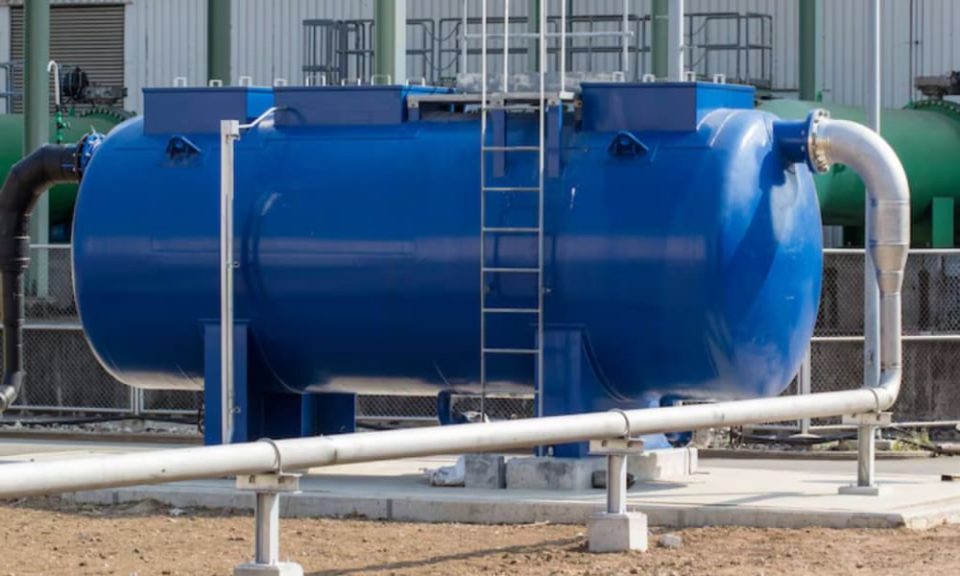
Septic tanks serve as a crucial component of residential waste management systems, particularly in areas where municipal sewer systems do not reach. These self-contained, underground systems operate based on a balance of biological, physical, and chemical processes. At the core of this mechanism is the septic tank itself, which is typically a large, watertight container made of concrete, fiberglass, or polyethylene. Wastewater from household plumbing flows into the tank, where it is held and allowed to settle. The tank employs a simple yet effective system for separation. Heavier solids sink to the bottom, forming a layer of sludge, while lighter materials like fats and greases float to the top, forming a scum layer. This stratification is crucial, as it allows for the efficient treatment of wastewater.
Within the tank, anaerobic bacteria-microorganisms that thrive in environments without oxygen-play a vital role in breaking down organic matter. This natural biological digestion process limits the amount of solid waste that then needs to be released into the drain field for further treatment. The drain field, or leach field, is where effluent is dispersed into the soil, where additional filtration and treatment occur through the soil’s natural bacteria, sand, and gravel, further purifying the water before it re-enters the groundwater supply.
The Lifespan of a Septic Tank: When to Worry
Understanding the expected lifespan of your septic tank is fundamental to maintaining its health and functionality. On average, a well-constructed septic tank can last anywhere from 20 to 30 years, but this varies widely based on factors such as material, design, soil conditions, and maintenance practices. It’s critical to periodically inspect your system even if you do not notice any problems. If the tank is not pumped and maintained regularly, it can suffer from various issues, including system overload, clogging, and complete failure.
Signs of potential issues may include slow drains in your home, foul odors around your yard, or standing water above your septic system. It’s essential to consult with septic professionals who can conduct an inspection and determine whether your system is functioning correctly. Being proactive about these checks can help you avoid costly repairs or replacements and extend the lifespan of your system significantly.
The Importance of Regular Pumping: More Than Just a Chore
Signs Your Septic Tank is Overdue for a Pumping
Septic tank pumping is not merely a routine task; it is a vital maintenance practice that can prolong the life of your system and prevent major issues down the line. One leading indicator that your septic tank is overdue for pumping is rising water levels within the tank. If you find that the liquid level reaches higher than the outlet pipe, it’s time to take action. Another warning sign is the presence of unpleasant odors emanating from your yard, which may signal that the tank is either full or malfunctioning.
Interior indicators can also manifest as backed-up drains or toilets in your home. When wastewater cannot exit the tank correctly due to overfilling or a blockage, this sends a clear signal that immediate attention is required. Additionally, you may notice lush patches of grass or even pooling water above the drain field. While your lawn may seem beautiful, it can indicate untreated effluent surfacing in your yard-a significant health hazard that necessitates urgent intervention.
Consequences of Neglecting Your Septic Tank
Neglecting to pump your septic tank can have dire consequences. One of the most immediate risks is the potential for sewage backups within your home, which can lead to costly clean-up efforts and significant property damage. The presence of raw sewage in your home not only poses a health risk to you and your family but also attracts pests and contributes to unsanitary conditions. Moreover, if the septic tank continues to overflow, it may lead to the failure of the drain field, resulting in soil contamination and malodorous conditions in your yard.
In the long term, delays in maintaining your tank can cause the system to fail entirely, requiring a complete replacement that can cost thousands of dollars. Additionally, an unmaintained septic system can release untreated wastewater into the environment, which may violate local health regulations and result in hefty fines and remediation costs. Understanding the risks and maintaining your septic system with regular pumping is essential to protecting both your property and the environment.
Choosing the Right Time for Septic Tank Pumping: Tips and Tricks
Seasonal Considerations for Optimal Pumping Schedule
Timing your septic tank pumping for optimal results requires a bit of forethought, as various seasonal factors can influence how well your system functions. Spring and fall are generally ideal for septic tank pumping. During these seasons, the ground is not overly saturated with water, which can lead to better access for septic professionals. Furthermore, major rainfall or flooding can complicate the pumping process, making it advisable to pump before and after these wetter months. For households with high water use, more frequent pumping may be essential to accommodate the greater volume of wastewater.
Another consideration is to avoid scheduling pumping during winter months when frozen ground and snow can limit access to your septic tank. However, if issues arise in winter, seek immediate assistance from a professional, as prompt action can mitigate significant problems. Establishing a pumping schedule based on local weather patterns and personal usage can aid you in maintaining a healthy septic system throughout the year.
How Weather Impacts Your Septic Tank Health
Weather conditions play a crucial role in maintaining the health of your septic system. Heavy rain can saturate the soil around your drain field, diminishing its ability to effectively filter waste. This saturation may lead to standing water, a compromised drain field, and the potential for effluent surface discharge, which poses significant risks to both your family and the environment.
Conversely, dry conditions can also present challenges. If the soil is too dry and cracks develop, it can lead to excess air being introduced into the system, which can interfere with the anaerobic processes vital for waste breakdown. Additionally, excessive water usage during dry months, prompted by extended periods of outdoor use, may cause your septic tank to fill up more quickly than usual, necessitating more frequent pumping. Understanding these impacts can empower homeowners to proactively adjust their septic tank maintenance practices according to weather patterns.
Finding a Trustworthy Septic Pumping Service: What to Look For
Questions to Ask Before Hiring a Septic Service
Choosing a reliable septic pumping service is paramount to ensuring your tank is managed correctly. Start by asking potential providers essential questions such as how long they have been in business and whether they are licensed and insured. Licensing not only demonstrates compliance with local regulations but also assures you of their expertise. Furthermore, request information about their procedures for pumping, including whether they clean the tank and assess it for potential issues during service. Understanding their methods and protocols will give you confidence in their service quality.
It’s also vital to ascertain their service area, as some companies may have restrictions or additional charges for traveling outside of certain zones. Inquire about their rates and whether they offer any packages or maintenance plans that could be cost-effective for you. Checking their availability and response time is equally important; you want to ensure they can provide prompt service should an issue arise in the future.
Reading Reviews and References: The Hidden Clues
Online reviews and customer testimonials offer critical insights into the reliability and quality of a septic service. Check reputable review platforms or local community forums to gain perspectives from other homeowners. Look for patterns in reviews regarding punctuality, professionalism, and the thoroughness of service. The absence of negative feedback can be a reassuring sign, but be mindful of overly positive reviews, as they might lack authenticity. Additionally, ask your potential service providers for references from previous clients. Speaking directly to these individuals can provide first-hand accounts of their experiences and any challenges they might have encountered.
Keep an eye out for long-standing companies known for their dedication to customer satisfaction and transparent dealings. A reputable business will be more than willing to provide information and connect you with satisfied customers. By taking the time to conduct due diligence, you can hire a septic pumping service that ensures the functionality and longevity of your septic system, securing your home’s sanitation and peace of mind.
