
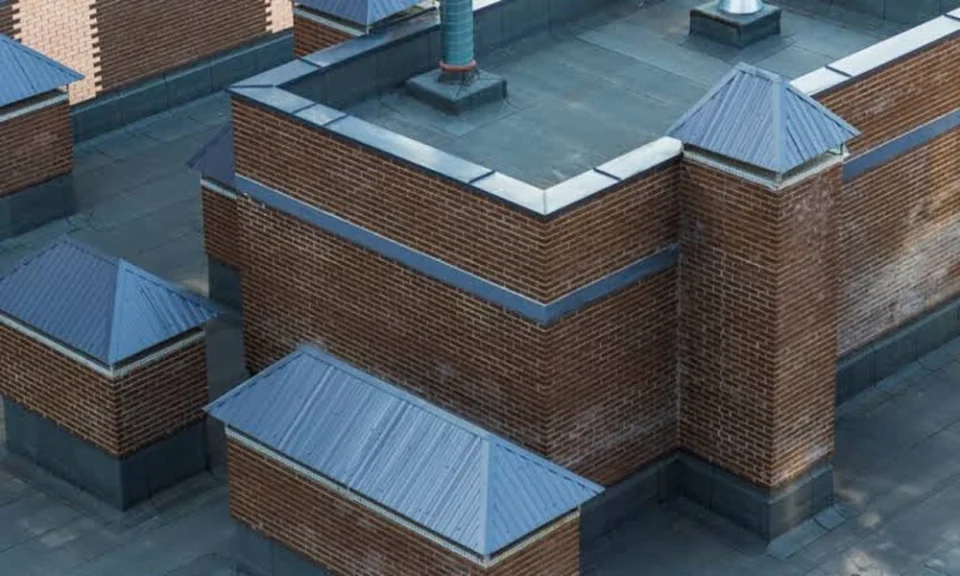
Walk across a flat roof in Cambria County in early April and it will tell you a great deal. Snow that sat for weeks has finally drained away. What it leaves behind is a map of every weak point on the building. You might see a dark ring where water pooled around a drain, or a seam that lifted slightly after one freeze too many. On the metal annex there may be a screw head ringed with orange rust. Most owners never see any of this. They see a brown stain spreading across a ceiling tile, and the conversation jumps straight to tearing the whole roof off.
That jump usually comes too early. A commercial roof can be maintained, repaired, restored with a coating, recovered, or replaced, and each option costs a very different amount and disrupts the business in a very different way. Crews like Byler Commercial Roofing Service in Ebensburg handle new installations, repairs and upkeep on both commercial and residential buildings, and they lean on Conklin coating systems for restoration work. A good share of that work is helping an owner find out which of those options the building actually needs.
The Ceiling Stain Rarely Points to the Real Problem
Water on a low-slope roof travels before it drips. It slips under a loose seam, runs along the top of the insulation boards, and shows up inside twenty feet from where it got in. Chasing the stain is how buildings end up with three patches in the wrong places.
A proper evaluation looks under the membrane. Infrared scans taken at dusk show wet insulation, because wet boards hold the day’s heat longer than dry ones. Moisture meters confirm the readings, and a few small core cuts show the layers, their condition, and how many roofs are already stacked on the deck. That last detail matters more than most owners expect.
The figure that drives most decisions is how much of the insulation is wet. When the damp areas are small and scattered, contractors cut them out, replace them, and the rest of the assembly stays in service. When large sections are saturated, restoration is off the table. A coating over wet insulation traps the moisture, and the roof rots from inside while looking new from above.
Small Repairs That Buy Years
Plenty of commercial roofs fail early because nobody walked them twice a year. A spring visit catches what winter loosened. A fall visit clears leaves and debris before the drains freeze. Both are cheap compared with what they prevent.
The repair list on a typical visit is short and unglamorous. Clogged drains and scuppers get cleared. Cracked pipe boots and dried sealant around rooftop units get replaced. Seam edges that have started to curl get re-adhered. Pitch pans get topped off. Most roofing standards treat water still sitting 48 hours after rain as ponding. In snow country that standing water is also extra weight, and a single drain blocked with ice can put more load on a section of roof than it was designed to carry.
When a Liquid Coating Earns Its Place
Restoration means extending the life of the existing roof instead of replacing it, usually with a liquid membrane rolled or sprayed over the cleaned and repaired surface. Before choosing a product, it is worth looking it up in the Cool Roof Rating Council’s rated roof products directory. That nonprofit standards body publishes independently tested solar reflectance and emittance figures for coatings, both when new and after three years of weathering. Here is the plain version of what a coating can do. A coating works when the roof underneath is dry, firmly attached and still structurally sound. It does not rescue a roof that is already failing.
The chemistry should match the roof.
- Acrylic coatings are bright white, reflective and relatively affordable. They dislike standing water and need warm, dry weather to cure properly.
- Silicone holds up well where water ponds and resists UV for a long time. Very little bonds to silicone afterward, so later recoats generally have to be silicone too.
- Urethane is the tough one. It handles foot traffic, hail and abrasion, and is often used as a base coat or around equipment that technicians walk to often.
Seams, flashings and penetrations usually get a polyester fabric embedded in the coating before the full field coat goes down, because those are the spots that move most. Not every roof is a candidate. Asphalt shingle manufacturers advise against field-applied coatings on shingles, and roofs with heavy granule loss or blistered membranes need repair work before any coating goes on.
Metal Buildings Wear Out at the Screws First
Shops, warehouses and agricultural buildings across western Pennsylvania sit under exposed fastener metal roofs, and those roofs age in a predictable way. Every day the panels grow in the sun and shrink at night. Over the years that movement wears the screw holes larger, the rubber washers dry and crack, and water starts to wick in around each fastener. Rust follows at the laps and panel ends where moisture lingers.
Restoring metal starts with the fasteners. Loose screws get replaced with larger-diameter ones that bite fresh steel. Rusted areas are wire brushed and primed with a rust-inhibiting primer. Laps and seams are sealed and reinforced with fabric, and the whole roof then gets its top coat. This only makes sense while the panels are still solid. If daylight shows through in several places, the money is better spent on new metal.
The Mountain Calendar Sets the Schedule
High-country weather decides when coating work can happen. Most coatings need surface temperatures above roughly 50 degrees, a dry forecast for at least a day, and time for the morning dew to burn off before work starts. Around Ebensburg, which sits above 2,000 feet, that limits comfortable application to late spring through early fall, and even then cold nights can shorten the working day.
The practical sequence is to inspect in the fall, budget over the winter, and schedule the coating for summer. Emergency repairs are different. A torn seam can be patched in February, but a full restoration in cold, damp weather is a gamble with the cure.
Recover or Tear Off When the Roof Is Done
Some roofs are simply finished. Building codes in most jurisdictions limit a roof to two coverings, and they don’t allow a new layer over one that is water-soaked or badly deteriorated. If the core cuts show two roofs already in place, a third is not an option, no matter how tempting the price.
A recover puts a new membrane over the existing roof, often with a cover board in between. That saves the cost of removal and keeps the building dry while the work goes on. A full tear off costs more and makes more noise, but it exposes the deck. Rusted steel decking, rotted wood, or insulation that has held water for years only gets found and fixed this way. TPO, EPDM, PVC and modified bitumen all go on bare decks in this region, and the right choice depends on traffic, rooftop equipment and how the building is used.
Paperwork That Pays Off Later
How the work is classified can affect an owner’s taxes. Restoration and repairs are often treated as maintenance, while a full replacement on a nonresidential building may have to be depreciated over many years. The rules depend on the scope, so an accountant should review the contract before it is signed rather than after.
Warranties call for the same care. A coating warranty covers the coating, not the old membrane under it, and its length usually depends on how thickly the coating is applied, measured in mils. Keeping every inspection report, core sample result and set of photos builds a record that helps with warranty claims, insurance adjusters, and an eventual sale.
The roofs that last longest belong to owners who make these decisions in October with a moisture survey in hand, not in March with a bucket under a drip. A worn roof gives warning long before it gives out, and someone who reads those warnings early will usually find a cheaper answer than a full replacement.
