
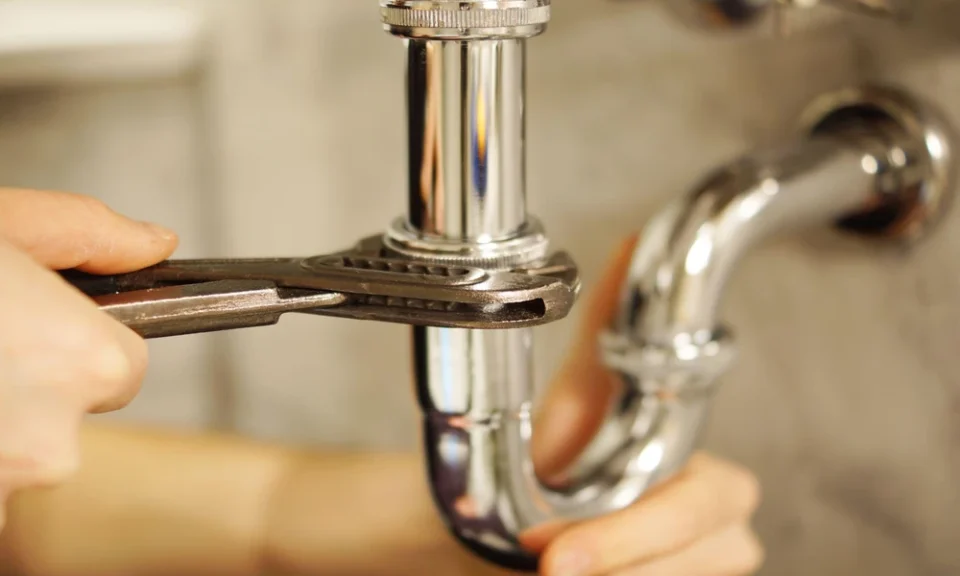
A drainage problem can start with a small change that becomes increasingly noticeable during everyday use. Water may take longer to disappear, an unpleasant smell may return after cleaning, or a sink may begin backing up during normal activity. These symptoms can have different causes, but recurring drainage issues deserve attention before they become disruptive. Knowing the signs can help homeowners decide when drain cleaning in Singapore may be appropriate.
1. Water Drains More Slowly Than Usual
Slow drainage is one of the clearest early signs of a developing blockage. A sink, shower or floor drain may still empty, but the water takes noticeably longer to disappear.
The change may result from accumulated hair, soap residue, food particles, grease or other debris. A partial obstruction can restrict the opening while still allowing some water through.
Pay attention to whether the slow drainage affects one fixture or several. A single slow sink may have a local blockage, while several affected fixtures can suggest a wider drainage problem.
2. Water Starts Pooling Around a Drain
Water that remains around a floor drain or shower outlet after use may indicate that the drainage pathway cannot handle the flow normally. In a bathroom, hair and soap residue can build up around the drain opening and restrict water movement.
Remove visible debris where it can be reached safely, then monitor the drainage. If pooling continues, the obstruction may sit deeper within the pipe.
Repeated pooling should not be treated as a normal part of bathroom use. Continued exposure to standing water can also make surfaces harder to keep clean.
3. An Unpleasant Drain Smell Keeps Returning
A persistent smell can indicate trapped organic material or stagnant water within the drainage system. Food residue in a kitchen drain and hair or soap deposits in a bathroom drain can contribute to unpleasant odours.
Cleaning the visible drain cover may improve the smell temporarily, but recurring odours can suggest that the underlying drainage path still contains residue.
If the smell returns despite ordinary cleaning, arrange an inspection rather than repeatedly masking it with fragrances. The source needs to be identified before the appropriate cleaning method can be chosen.
4. Gurgling Sounds Come From the Drain
Gurgling can occur when air and water move through a partially restricted drainage system. You may hear bubbling or unusual sounds after using a sink, shower or toilet.
A single sound does not automatically mean there is a severe blockage. However, repeated gurgling combined with slow drainage or unpleasant smells deserves closer attention.
Note which fixture produces the sound and when it happens. This information can help a plumber determine if the issue appears localised or connected to a wider drainage system.
5. Water Backs Up During Normal Use
Water backing up into a sink, shower area or floor drain suggests that water cannot pass through the drainage route efficiently. This is more concerning when the backup occurs repeatedly.
Stop adding water if a fixture begins filling unexpectedly. Continued use can increase the volume of standing water and may cause an overflow.
A recurring drain choke may require professional cleaning to remove material that household methods cannot safely reach. The appropriate approach depends on the location and nature of the obstruction.
6. Several Drains Become Slow
When several drains in the same property develop problems around the same time, the issue may extend beyond a single fixture. For example, slow drainage in a kitchen sink and bathroom drain can warrant broader assessment.
The pattern matters. Note which fixtures are affected, how quickly they drain and whether any unusual sounds or smells occur.
Professional assessment can help determine whether the problem lies within an individual branch pipe or a wider section of the drainage system.
7. Household Drain Cleaners Stop Making a Difference
Some homeowners use commercially available drain-cleaning products when a drain slows down. If the problem keeps returning or the product no longer improves drainage, continuing to use it may not address the actual cause.
Repeated chemical use can also be unsuitable for certain plumbing systems or situations. Follow product instructions carefully and avoid mixing different cleaning chemicals.
If symptoms persist, professional drain cleaning in Singapore can provide a more targeted way to assess the obstruction and determine what needs attention.
Key Signs to Review
Look out for:
- slow drainage
- standing water
- recurring drain smells
- gurgling sounds
- water backing up
- several affected drains
- temporary or ineffective results from household cleaning
These symptoms do not all point to the same problem, so avoid assuming that every blockage requires the same treatment. A plumber can assess the drainage layout and determine an appropriate response.
If a drain choke is causing repeated disruption, early attention can help prevent the problem from becoming harder to manage.
Contact QB Plumbing to discuss the symptoms and arrange drain cleaning in Singapore where appropriate.
