
Introduction
Choosing the Perfect bathroom vanity is a very important factor for all households. It supports purview for the sink area and offers storage for everyday basics. However, not each vanity suits each bathroom. Both types of vanities are standard for any kind of houses. But this depends on your choice which one you will select.
Before making any choice understand the complete differences. Check your bathroom size and your need before choosing anything.
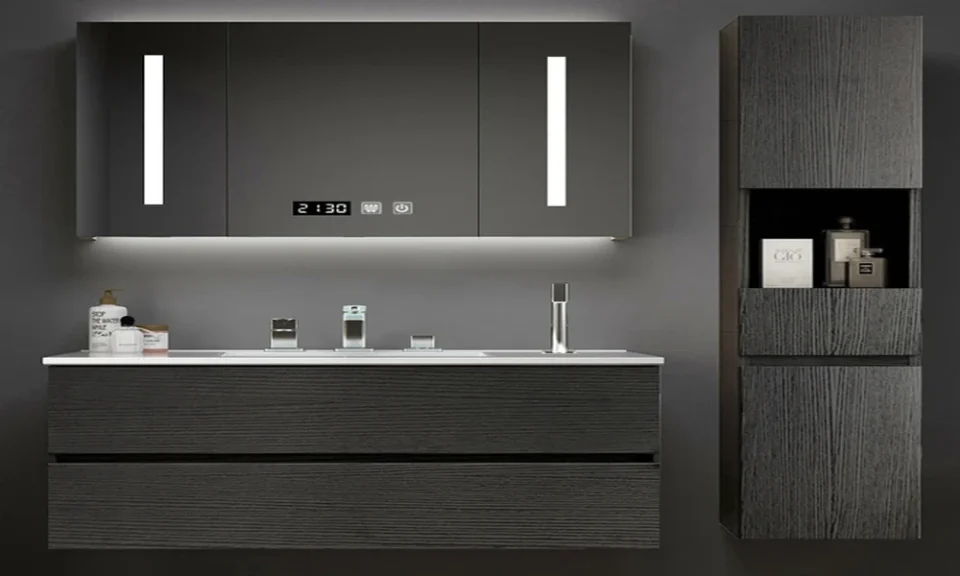
Floating model
Floating vanities are average in modern and essential bathrooms. They feature clean lines and a remodeled appearance. Many designs include under-sinks, hidden storage, and joined sinks. You can also ask your bathroom vanity manufacturers for more ideas.
1. Benefits
Easy floor Cleaning
Dust and moisture are also easy to spot.
Offers a Modern Look
Floating designs suit modern cores.
2. Disadvantages
This demand secure wall mounting. They can also provide less storage than some floor-standing models. Plumbing permits an action take up valuable space inside the cabinet.
Freestanding model
It parallels an established cabinet or a compact piece of furniture. It can include doors, shorts, shelves, and decorative parts. These vanities are applicable in many styles. Options range from classic, stiff cabinets to plain new designs.
1. Benefits of Freestanding Vanities
Easy Installation
These units chiefly do not require the same support wall as built-in models. This can shorten installation in suitable bathrooms. However, the vanity must still be level and fixedly equipped when necessary.
Easy Replacement
Many freestanding models maybe replaced in the future. This can help future bathroom renovation.
2. Disadvantages
Some designs have decorative elements that accumulate dust. Constant changing the air and continuous dampness about the base may also cause problems.
Key Differences
1. Installation:
Floating vanities need appropriate wall support. Freestanding parts mainly depend on the floor.
2. Cleaning:
Floating designs allow easy access beneath the management. Freestanding designs require more effort about the base.
3. Style:
Floating vanities suit minimal designs. Freestanding options offer better type across traditional and new styles.
4. Price:
Floating models are more costly.
How to Choose the Vanity
Your bathroom layout will confirm your decision.
1. Floating Vanity
- You have a narrow restroom and want an open area.
- You favor lack of complication, and new finishes.
- You want smooth access for floor cleansing.
- You need a custom installation.
- Your wall can support the vanity safely.
2. Freestanding Vanity
- You need limited depository.
- You favor a traditional or bookshelf-inspired design.
- You want a easy installation process.
- Your lavatory has enough floor area.
- You want more alternatives for future substitute.
Things to Consider
Measure the convenient area cautiously. Make sure sink and bathroom doors can open adequately. Check the vanity material and finish. Bathrooms always have frequent dampness and hotness changes. Choose product made for these conditions.
Review the sink and countertop areas. Confirm that the plumbing pipes will fit without reducing advantageous storage. Finally, set your budget. You can also contact a supplier if you want to order custom kitchen cabinet.
Conclusion
Freestanding models commonly supply more storage and suit a more wider range of interior styles. A well-selected vanity model can make your bathroom more stylish after completing the overall design.
