
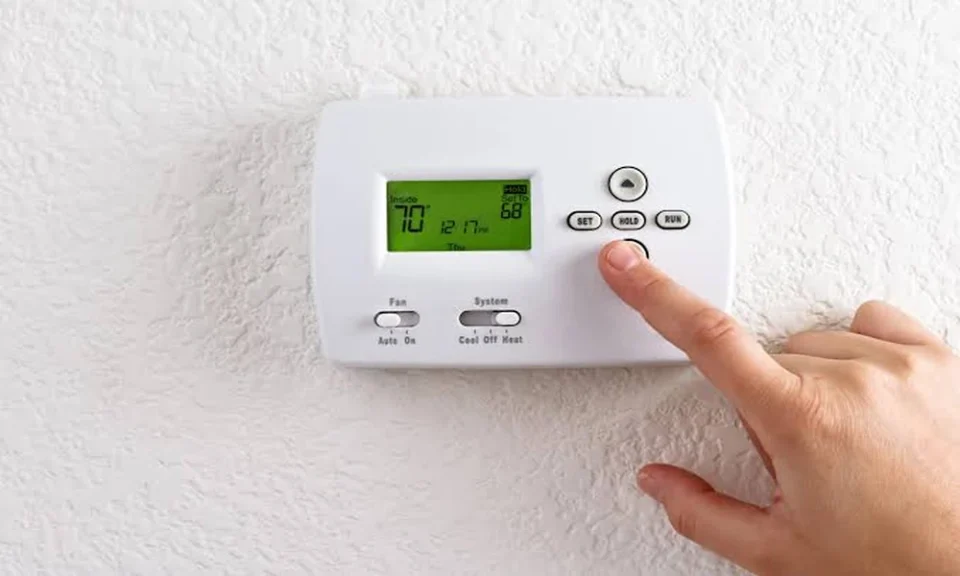
Ask ten people for the best thermostat setting and you will get ten confident answers. Seventy-eight in summer. Sixty-eight in winter. Turn it down when you leave. Never touch it. Each rule works for someone, which is why each one keeps getting repeated.
The trouble is that a rule built for one household can quietly misfire in another. This article drops the universal answer and follows five invented households instead, each with its own routine, its own mistake, and its own better approach. You may recognize yourself in one of them. It is general information, and your own home, climate, and equipment will shape what works.
Household One: The Night Shift Nurse
Dana works twelve-hour overnight shifts and sleeps from about nine in the morning until late afternoon. She read that you should let the house drift warmer during the day to save energy, so her thermostat does exactly that.
The mistake: The schedule treats daytime as empty time, but Dana is home, asleep, and trying to rest during the brightest and warmest hours. A bedroom that creeps upward in the afternoon sun wrecks the sleep she depends on.
What works better: Shift the whole schedule around her real day. The cool period belongs where her sleep is, not where the clock says “night.” Darkening shades on sun-facing windows matter as much as the setting itself, since they cut the heat gain that the equipment would otherwise fight. If the bedroom runs warmer than the rest of the house, that points to airflow or insulation, which a technician can evaluate.
Household Two: The Remote Work Couple
Priya and Marcus both work from home. Their thermostat still follows the old routine of dropping the temperature setting from eight to five, because that is when the house used to be empty.
The mistake: The house is now occupied during the longest stretch of the day, and the schedule is built for a family that no longer leaves. They respond by overriding it constantly, pushing the setting up and down by hand, which defeats any plan.
What works better: Rewrite the schedule around presence. The systems work best when they run steadily rather than lurching between extremes. A modest, consistent setting during the working day beats frequent manual overrides. They should also look at how rooms are used. If one of them works in a spare room at the far end of a duct run, that room may never feel right regardless of the setting, a clue worth raising with a professional instead of fighting with the dial.
Window glare on screens, a space heater under the desk, and a closed door that blocks return air are common companions of this setup. Each tells you something about the house, not the thermostat.
Household Three: The Retired Couple
Walter and Ruth are in their late seventies. They are careful with money, so they keep the house cooler than they would like in winter and warmer than is wise in summer to hold down their bills.
The mistake: Saving on energy at the expense of safety. Older adults can be more vulnerable to both cold and heat, and may not feel temperature changes as sharply as younger people do. A house that is too cold for too long, or too hot on a sweltering afternoon, can affect health in ways that are not obvious until they are serious.
The National Institute on Aging offers practical guidance on cold weather safety for older adults, including the risks of low indoor temperatures and warning signs to watch for, and the same organization has companion advice on hot weather. It is worth a read for any household with older members.
What works better: Treat a safe, comfortable range as non-negotiable and look for savings elsewhere. Sealing drafts, adding insulation, servicing equipment, and checking assistance programs offered by utilities and local agencies can reduce bills without compromising health. A thermostat that is easy to read and operate, with large numbers and simple controls, also helps, since a confusing interface leads to settings that go unchanged for years. Relatives and neighbors can help check in during extreme weather.
Household Four: The Family With a Newborn
Jess and Tom have a new baby and a three-year-old. They keep fiddling with the temperature at all hours, anxious about getting it right, and they run a space heater in the nursery on cold nights.
The mistake: Guessing. Too much worry leads to constant adjustment, and a portable heater in a baby’s room introduces a fire and burn risk that no setting is worth.
What works better: Settle the room, then leave it alone. Pediatric guidance generally emphasizes avoiding overheating for sleeping infants, and a steady, moderate room temperature with appropriate clothing is the usual advice, but specifics should come from the child’s doctor. A simple room thermometer in the nursery removes the guesswork and the anxiety. If the nursery is consistently colder or hotter than the rest of the house, that is an airflow or insulation problem to solve at the source, not with a space heater.
Humidity matters here too. Very dry winter air can irritate small airways, and very damp air encourages mold, so a hygrometer is a modest, useful purchase. Filters should be changed on schedule, particularly in a home with pets and small children.
Household Five: The Frequent Traveler With a Second Home
Ellen splits her time between her main house and a lake cabin. Before each trip she turns the heat and cooling off entirely at whichever place she is leaving, to save money.
The mistake: Turning a house all the way off is not the same as turning it down. In cold weather, an unheated house risks frozen pipes. In humid weather, a sealed house with no cooling can grow damp and musty, and mold does not need much invitation. Systems left off also face an abrupt return to full demand when she arrives.
What works better: A setback, not a shutdown. Choose a temperature that protects the building, such as keeping the heat high enough to prevent freezing in winter and allowing humidity control in summer. Smart thermostats and remote sensors can let her check conditions and warm or cool the house before she arrives, so she walks into comfort instead of waiting hours for it. A friend or service who visits periodically can catch leaks and failures that sensors miss.
One more caution for heat pump owners: large setbacks can trigger backup heating when the system tries to recover, which may cost more than it saves. If you have a heat pump, ask your installer what setback range suits the equipment.
The Pattern Across All Five
Step back and the same ideas appear. A good thermostat strategy follows the actual routine of the people in the house, not a rule written for someone else. Steadiness usually beats dramatic swings. Safety and health set the limits before savings do. And a room that never feels right is often a clue about the building rather than a problem with the dial.
The five also share a quieter truth. A thermostat measures one spot in the house and controls a whole system. When it seems to misbehave, the cause is frequently somewhere it cannot see: leaky ducts, a failing component, poor insulation, or equipment that was sized for a different house.
When It Is Time to Bring in Help
Adjusting your own habits goes a long way, but it cannot fix a system that is working against you. If you have cold and hot spots that persist, bills that make no sense, equipment that cycles constantly, or a house that feels clammy or dry whatever you do, a professional evaluation can find causes you cannot see from the hallway.
If you are looking for local help, you could contact Indoor Comfort to ask about an assessment and what they would look at in a home like yours. Whoever you call, describe your household’s routine in detail, since a technician who understands how you live can tune the system to match.
The Takeaway
There is no single best setting, only a best fit. The night nurse needs a cool bedroom in the afternoon, the remote workers need steadiness, the retirees need safety, the new parents need calm, and the traveler needs protection while away. Decide which household you are, set the thermostat for the people who actually live there, and let the equipment run the way it was designed to. The right number is the one that lets you stop thinking about the number at all.
