
There is a restaurant not far from where someone reading this probably lives that has genuinely outstanding food. The chef is talented. The menu changes seasonally. The ingredients are sourced thoughtfully. And yet something about sitting in the room feels mildly uncomfortable in a way that is difficult to pin down.
It is the lighting. It is almost always the lighting.
1. Overhead Light Is Not a Dining Strategy
A single overhead source pointed straight down at people eating is the lighting equivalent of a spotlight on a stage, except the person on stage did not agree to be there and just wants to enjoy their pasta. It flattens everything. Faces, surfaces, depth, atmosphere. All of it ironed out by light falling from directly above.
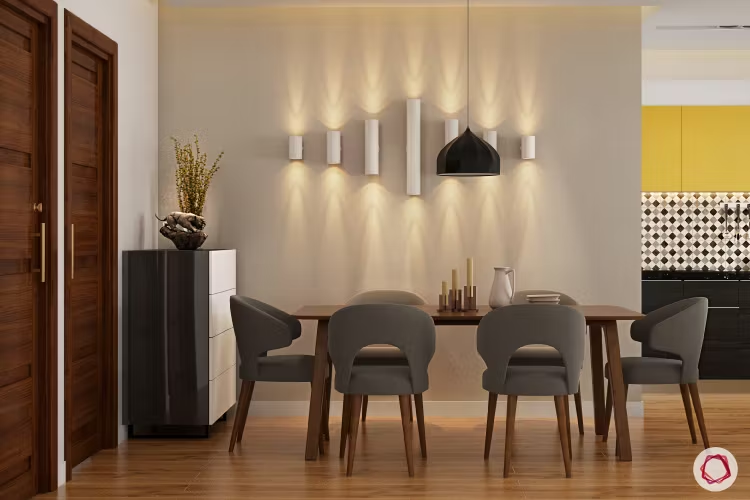
Good hospitality interior design layers light from multiple heights. Pendants lower than you might expect. Wall sources that skim surfaces and create shadow. Candlelight at table level. The result is a room with dimension, where people look like themselves and the food looks like the thing it actually is, rather than a beige blur under fluorescent wash.
2. Pendants Over Tables Are Not a Trend. They Are Mechanics.
When a light source drops to roughly 80 centimeters above the table surface, something psychological happens. The table becomes its own space. The conversation feels contained. Guests lean slightly forward rather than sitting back with their arms folded.
None of that is accidental. It is the direct result of where the light is. A pendant does not need to be expensive or elaborate. It needs to hang at the right height and emit the right temperature. Which leads to the next point.
3. Color Temperature Is Invisible and Enormously Powerful
Warm light, around 2700K, is amber-toned and flattering. Cool light, above 4000K, is the color of a Monday morning in a government office. Both are described as white. They produce completely different rooms.
Restaurants that have installed cool white lighting typically did it because it was cheaper or because nobody specified otherwise. A hospitality interior design brief that does not address color temperature leaves the entire atmospheric outcome to chance. Warm light makes food look better. It makes people look better. It makes the room feel like somewhere worth spending an evening.
4. Dimming Is Not Optional After 6 pm
The lunch service and the dinner service are different experiences and should look different. A fixed lighting rig that cannot be adjusted means the room looks identical at noon and at nine in the evening. That is not a neutral outcome. It actively works against the dinner atmosphere.
Dimmable circuits with zone control allow the room to shift. Brighter for reading menus and catching up with someone. Gradually lower as the evening progresses and the occasion becomes something to linger in. The investment in control systems pays back in the difference between tables that turn and evenings that extend.
5. Light the Things That Deserve to Be Seen
A beautiful bar back. A textured wall. An artwork that cost real money and is currently invisible because the light hits two inches to the left of it. Accent lighting is not decoration. It is editing. It tells guests where to look and what this place thinks is worth noticing.
Rooms that use light this way feel curated rather than furnished. That distinction is the difference between a dining room and a destination.
Take Away
The food can be exceptional. The service can be warm. The menu can read beautifully. And a dining room lit badly will quietly diminish all of it without anyone being able to say exactly why. Lighting is not the finishing touch in a hospitality interior design project. It is the foundation on which everything else is built. Sort the light first. Then stand back and watch what the room becomes.
