
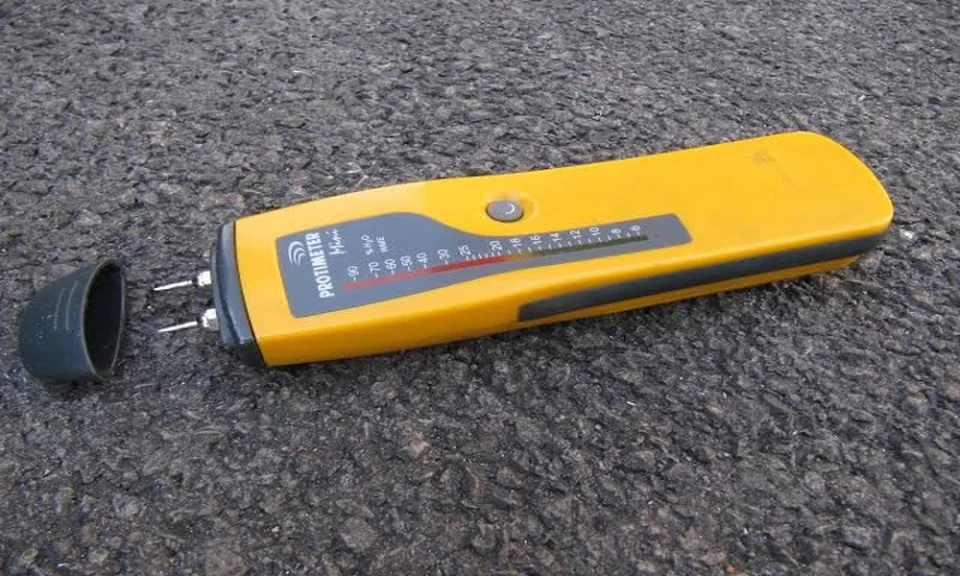
A technician kneels beside a kitchen wall in a west Pasco home and presses two small pins into the drywall. The paint looks fine and the baseboard is barely stained, yet the meter reads far above the wall in the hallway that never got wet. That gap between what a room looks like and what a meter says is where nearly every water loss is won or lost.
Since opening in 2022, the IICRC-certified team at Restoration Resource has built its local work around that kind of reading. Their approach to water damage restoration in Pasco starts with an inspection and moves through extraction, drying and reconstruction, with insurance claim help along the way and a phone that gets answered at any hour from the office on North Capitol Avenue.
What follows is the part of the job most homeowners never see clearly. It is less about fans and more about numbers, and those numbers explain every step that follows.
The Map Comes Before the Machines
Good drying begins with a baseline. Before any equipment arrives, the crew takes readings from materials in the same house that stayed dry, such as an interior wall across the hall or the subfloor in an untouched bedroom. That becomes the drying goal. Wet framing in an older east Pasco rambler will not be judged against the same number as new drywall in a Road 68 subdivision, because every house has its own normal.
From there, readings are taken in a grid outward from the source until they return to normal. The edge of that grid is the real footprint of the loss, and it is usually larger than the puddle suggested. Water travels sideways under flooring, climbs drywall by wicking and runs along the top of a slab or the joists of a crawl space. The map decides where equipment goes and which materials come out.
Three Kinds of Water, Four Sizes of Problem
Restoration crews describe every loss with two labels, one for how dirty the water is and one for how much of the structure it soaked.
Category 1 is clean water from a supply line, a broken pipe or a sink overflow with nothing added to it. Most materials touched only by clean water can be dried in place.
Category 2 carries contamination that can make people sick, like dishwasher or washing machine discharge and toilet overflows with urine but no solids. Porous items such as carpet pad usually go.
Category 3 is grossly contaminated, including sewage backups and floodwater from outside. Anything porous it touches is removed, and cleaning follows strict safety practice.
Time changes these labels. Clean water sitting for two or three days in a warm house picks up bacteria from dust, wood and drywall paper, and a Category 1 loss can drift into Category 2.
The classes run from 1 to 4. A small leak that wets part of one room with little absorption is Class 1. Water reaching the carpet, pad and the bottom of walls across a room is Class 2. Water from above that soaks ceilings, insulation and walls is Class 3. Class 4 covers materials that hold water tightly and release it slowly, such as hardwood, plaster, concrete and stone. Class drives the equipment count, while category drives what has to be thrown away.
What Gets Cut and What Gets Saved
Tearing out more than necessary inflates the bill, and saving too much leaves moisture behind. The choices tend to follow a pattern.
- Drywall that wicked water is often cut in a straight line a foot or two above the highest wet reading, which opens the cavity and removes the part that soaked up the most
- Wet fiberglass insulation behind that drywall usually comes out, since it holds water and dries poorly inside a closed wall
- Carpet can sometimes be floated and dried after a clean water loss, but the pad underneath is cheap to replace and rarely worth saving
- Luxury vinyl plank often has to be lifted, because the planks trap moisture against the subfloor
- Cabinets can frequently stay if the toe kicks are pulled so air reaches the space beneath them
- Solid hardwood may recover with specialized drying mats, though cupping that remains after drying can mean sanding or replacement
Desert Air Helps Until It Doesn’t
The Columbia Basin gives Pasco some of the driest air in the state for much of the year, and that helps. But a closed house under drying equipment builds its own humidity quickly as water leaves the materials, so dehumidifiers still do the heavy lifting.
Crews track the air in grains of moisture per pound, a measurement that stays steady as temperatures swing, unlike relative humidity. They compare the air coming out of the dehumidifier with the air in the room to confirm the machine is pulling water rather than spinning in place. Summer heat in attics and garages and winter furnace airflow both change how a drying zone behaves, so crews adjust as the seasons turn.
A typical clean water loss with prompt response often dries in roughly three to five days. Dense materials and slow responses stretch that out.
A Day in the Drying Log
Each return visit follows a routine that documents progress and catches problems early.
- Moisture readings are retaken at the same marked points from the first day
- Air readings are logged for the room, the outdoors and each dehumidifier outlet
- Air movers are repositioned toward areas that are drying slowest
- Equipment is pulled from spots that have reached the drying goal
- Photos record the readings and the state of the room
If a reading stalls for two days, it often points to a hidden pocket, such as water trapped under a tub base or inside a wall cavity behind a cabinet.
Paper Weighs as Much as Plaster
Homeowners policies in Washington generally cover water damage that is sudden and accidental, such as a burst pipe, and often exclude damage from a long, slow leak or from surface flooding. The drying log, photos and moisture map are the evidence that shows what happened and when. Adjusters lean on that record to approve tear out, equipment days and rebuilding. Many of these decisions follow the S500 standard published by the IICRC, the industry body that certifies water damage technicians and sets the categories and classes described above.
Your own record helps too, from the time you found the water to photos and receipts for emergency purchases. If you are unsure whether a loss is covered, calling your insurer early is better than guessing.
The Number That Closes the Job
Drying ends when the last readings match the dry goal set on the first day, not when the room feels dry to the touch or the calendar says enough time has passed. Only then should new drywall, insulation and flooring go in. Rebuilding over framing that is still damp seals the moisture inside, and the result shows up months later as warping, odor or mold behind fresh paint. A careful restoration is simply a series of measurements, taken patiently until the house tells the same story everywhere.
