
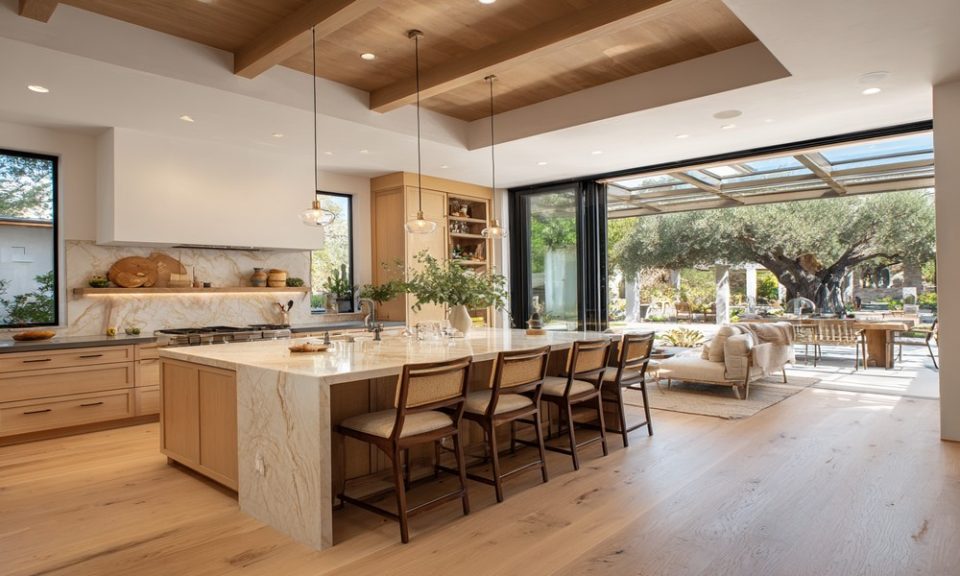
There is something exciting about walking into a kitchen and knowing you built part of it with your own hands. That was exactly how I felt after finishing my do it yourself kitchen cabinet project.
At the beginning, I thought it would be simple. I watched a few videos online, measured my kitchen once, and believed I was ready.
Very quickly, I learned that building kitchen cabinets is not just about wood and screws. It is about patience, planning, mistakes, and learning how to solve problems one step at a time.
Looking back now, I can honestly say the project was worth every hour. My kitchen feels more personal, and I gained skills I never thought I could learn.
But I also learned many lessons that could save other homeowners time, money, and stress. If you are thinking about starting a do it yourself kitchen cabinet project, these are the biggest things I learned along the way.
The Planning Stage Matters More Than the Building
At first, I wanted to jump straight into cutting wood and putting cabinets together. I thought the fun part was building. What I discovered is that planning is actually the most important step.
I spent days measuring walls, checking corners, and drawing cabinet layouts. Even small measurement mistakes can become huge problems later. One wall in my kitchen looked straight, but it was not perfectly even. If I had ignored that detail, my cabinets would not have lined up correctly.
I learned to measure everything more than once. Then I measured again just to be safe. I also learned to think about appliance spacing, door swing direction, drawer clearance, and countertop height. A successful do it yourself kitchen cabinet project starts long before the first board is cut.
Making a clear sketch helped me understand how everything would fit together. I marked where the sink, stove, and refrigerator would go. This made it easier to decide which cabinets needed shelves, drawers, or extra support.
Cheap Tools Usually Create Expensive Problems
Before starting the project, I tried to save money by buying low-cost tools. That decision quickly caused frustration. Weak drills stripped screws. Cheap saw blades made rough cuts. Poor clamps allowed boards to move during assembly.
After several difficult days, I realized quality tools are not just about convenience. They improve accuracy and reduce mistakes. I did not need the most expensive equipment in the world, but I did need reliable tools.
The best investment I made was a good circular saw, strong clamps, and a solid drill. Those three tools alone improved my work dramatically. Straight cuts became easier, cabinet frames looked cleaner, and assembly became less stressful.
A do it yourself kitchen cabinet project already takes time. Bad tools can double that time and hurt the final result.
Plywood Choice Changes Everything
One thing I never expected was how much plywood quality matters. At first, I bought cheaper plywood to reduce costs. When I brought it home, I noticed warped panels, rough surfaces, and weak layers.
That cheap plywood caused problems immediately. Some cabinet sides were not perfectly straight, and a few shelves sagged more than expected. I eventually replaced several pieces with better cabinet-grade plywood.
The difference was huge. Better plywood was flatter, stronger, and easier to work with. It also produced cleaner cuts and a smoother finish.
During a do it yourself kitchen cabinet project, materials play a major role in how professional the final kitchen looks. Saving a little money on low-quality wood often creates more work later.
Building Cabinets Takes Longer Than Expected
I originally thought I could finish my kitchen cabinets in one weekend. That idea disappeared very quickly.
Cutting panels alone took an entire day because I wanted accuracy. Assembly took longer because I kept checking measurements. Sanding, painting, and installing hardware each added extra hours.
Then there were the unexpected problems. One cabinet door did not align correctly. A drawer slide was installed backwards. One cabinet had to be removed because the wall behind it was uneven.
Every mistake added more time. At first, this frustrated me. Later, I accepted that patience is part of the process. Rushing only creates more problems.
A do it yourself kitchen cabinet project is not just construction work. It is careful detail work. Small adjustments make a huge difference in the final appearance.
Organization Saves Your Sanity
Very early in the project, my workspace became a disaster. Screws were everywhere. Wood scraps covered the floor. Measuring tools disappeared every few minutes.
I wasted a surprising amount of time just looking for things.
Eventually, I started organizing everything into small containers and labeled sections. Hardware stayed separated. Tools went back to the same spot after use. Cabinet pieces were labeled before assembly.
That simple change made the project smoother and less stressful. When working on a do it yourself kitchen cabinet build, staying organized keeps mistakes under control and improves efficiency.
Painting Cabinets Is Harder Than It Looks
I honestly believed painting would be the easiest part. I was completely wrong.
The first coat looked uneven. Brush marks were visible. Dust landed on wet paint. Some edges dripped because I applied too much paint at once.
After several frustrating attempts, I learned the secret is preparation. Sanding between coats matters. Cleaning dust matters. Thin paint layers matter.
I also learned that good lighting helps reveal flaws before the paint dries completely. Once I slowed down and focused on proper preparation, the cabinets started looking far more professional.
The finish of a do it yourself kitchen cabinet project is what people notice first. Even well-built cabinets can look bad with poor paint work.
Soft-Close Hardware Is Worth It
At first, I considered skipping soft-close hinges and drawer slides because they cost more. I am very glad I changed my mind.
Soft-close hardware instantly made the cabinets feel more modern and high-end. Doors closed smoothly instead of slamming. Drawers felt solid and quiet.
It was one of the smallest upgrades in the project, but it created one of the biggest improvements in daily use. Every time I open the cabinets, they feel better than standard cabinets.
A do it yourself kitchen cabinet project should not only focus on appearance. Function matters just as much.
Walls and Floors Are Rarely Perfect
This lesson surprised me the most.
I assumed my kitchen walls and floors were straight because the room looked normal. Once I started installing cabinets, I realized many surfaces were slightly uneven.
One corner dipped lower than the rest of the floor. One wall leaned slightly. These small imperfections affected cabinet alignment.
I learned how important shims are during installation. Tiny adjustments underneath cabinets helped level everything correctly. Without those adjustments, countertops would have looked crooked.
No matter how carefully cabinets are built, installation requires flexibility. A do it yourself kitchen cabinet project often becomes a problem-solving exercise because real homes are never perfectly square.
Storage Design Is More Important Than Appearance
When I first designed the cabinets, I focused mostly on how they would look. Later, I realized storage design matters even more.
Deep cabinets looked nice but made items difficult to reach. Some shelves were too tall and wasted space. A few drawers should have been wider.
After using the kitchen for several weeks, I understood how important workflow is. Everyday items should be easy to access. Frequently used tools should stay near cooking areas. Trash storage should be convenient but hidden.
A beautiful kitchen is helpful, but a functional kitchen changes daily life. That became one of the biggest lessons from my do it yourself kitchen cabinet experience.
Mistakes Are Part of the Process
At the beginning, every mistake felt like failure. I became frustrated when cuts were slightly off or doors did not align properly.
Eventually, I realized mistakes are normal in any large project. Professional builders make adjustments constantly. The key is staying calm and solving one problem at a time.
One cabinet door had to be rebuilt completely. A shelf was cut too short and replaced. I even installed one cabinet upside down before noticing the mistake.
Instead of quitting, I learned to adapt. Every mistake taught me something useful.
A do it yourself kitchen cabinet project is really about learning new skills through experience.
The Feeling of Completion Is Incredible
The final day felt unreal. After weeks of measuring, cutting, sanding, painting, and installing, the kitchen was finally complete.
Standing in that room gave me a different kind of satisfaction. I was not just looking at cabinets. I was looking at the result of patience, effort, and persistence.
Friends and family noticed the transformation immediately. Some even assumed the cabinets were professionally installed. That made all the hard work feel worthwhile.
More importantly, I gained confidence. Before this project, I doubted my ability to handle major home improvements. Now I understand that many skills can be learned with time and dedication.
Would I Do It Again?
Yes, absolutely.
Would I change some things? Definitely. I would spend more time planning storage. I would buy better materials earlier. I would avoid rushing during painting.
But overall, the experience was valuable. My do it yourself kitchen cabinet project taught me far more than woodworking. It taught me patience, attention to detail, and problem-solving.
It also showed me that homeowners can create beautiful spaces without hiring expensive contractors for every step. With proper planning, reliable tools, and enough determination, building kitchen cabinets is possible for many people.
The project was challenging, messy, and time-consuming. But every time I walk into my kitchen now, I remember the work behind every cabinet door and drawer. That feeling makes the entire experience worth it.
Final Thoughts
A do it yourself kitchen cabinet project is not always easy, but it can be incredibly rewarding. The key lessons I learned were simple: plan carefully, measure accurately, invest in decent tools, stay organized, and accept that mistakes will happen.
Most importantly, take your time. Quality work rarely comes from rushing.
The cabinets in my kitchen are more than storage spaces now. They represent effort, growth, and the satisfaction of building something real with my own hands. For anyone thinking about starting their own project, the experience may challenge you, but it will also teach you far more than you expect.