
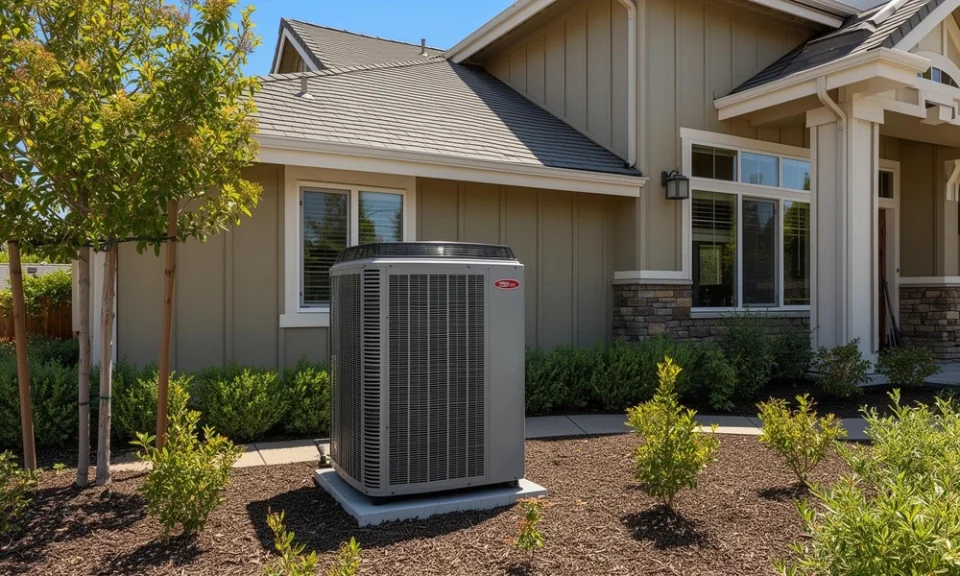
Heating and cooling systems in the Sacramento area carry an unusually heavy load. Summers bring weeks of temperatures in the high 90s, with regular runs past 100 degrees. Winters are milder but damp, and tule fog can keep the valley chilly for days at a time. A system here rarely gets a real season off.
Because of that workload, homeowners end up calling for help more often than people in gentler climates. The tricky part is knowing what kind of help to ask for. A warm bedroom could point to a failing compressor, a leaky duct, a dirty coil or simply a system that was sized wrong from day one. Each problem calls for a different type of service, and each carries a very different price tag.
Contractors that provide Sacramento County hvac services, including unitedclimatecontrol.com, generally sort their work into a handful of categories: repair, maintenance, duct work, indoor air quality and full installation. Understanding what each category covers, and what usually triggers it, makes it far easier to describe your problem clearly and judge whether the recommended fix makes sense.
Repair Calls
Usual trigger: something stops working or starts behaving strangely.
Repair is the category most people know best. The AC blows warm air, the furnace will not ignite, the outdoor unit hums but the fan never spins. In Sacramento, the busiest repair weeks come during the first serious heat wave of the year, when systems that sat idle all spring suddenly run nonstop.
Common summer repairs include failed capacitors, worn contactors, frozen evaporator coils and refrigerant leaks. Capacitors in particular take a beating from heat, and they are one of the most frequent reasons an outdoor unit refuses to start on a hot afternoon. Winter repair calls tend to center on igniters, flame sensors and heat pump defrost problems during foggy stretches.
A good repair visit should end with a clear explanation of what failed and why. If the same part fails twice in a short period, that is a sign of an underlying issue rather than bad luck.
Seasonal Maintenance
Usual trigger: the calendar, ideally before trouble starts.
Maintenance is the least exciting service and arguably the most valuable. Dirt and neglect are leading causes of heating and cooling failures, and a twice yearly checkup catches many small issues before they become breakdowns. ENERGY STAR publishes a maintenance checklist that outlines what a proper visit should cover, and it is a useful reference when comparing what different contractors include.
In practice, a thorough tune-up for a Sacramento home typically involves:
- Cleaning the outdoor condenser coil, which collects dust, cottonwood fluff and grass clippings during the dry months.
- Checking refrigerant pressures and temperatures against the manufacturer’s specifications.
- Testing capacitors and electrical connections, since loose wiring and weak capacitors are common heat related failures.
- Flushing the condensate drain line to prevent water backing up into the attic or closet.
- Inspecting the furnace burners, heat exchanger and flue, or checking defrost operation on a heat pump.
- Verifying thermostat calibration and overall airflow.
Timing matters here. A cooling tune-up in March or April beats one scheduled in July, when technicians are swamped and any problem found has to be fixed in the middle of a heat wave.
Duct Work
Usual trigger: uneven temperatures, high bills or dusty rooms.
Ducts are easy to forget because they sit hidden in attics and crawl spaces. In many Sacramento homes, that attic can exceed 140 degrees on a summer afternoon. Any leak in that ductwork sends cooled air straight into the hottest part of the house. Typical homes lose a meaningful share of their conditioned air through duct leaks, loose connections and crushed flex runs.
Duct services range from sealing and repairing existing runs to replacing old, poorly insulated ductwork entirely. California also has energy code rules that often require duct leakage testing when HVAC equipment is replaced, so duct condition frequently comes up during replacement projects.
Duct cleaning is a separate question. The EPA’s guidance on whether to have air ducts cleaned points out that routine cleaning is not always necessary, and that it makes the most sense when there is visible mold growth, pest infestation or heavy debris. That is worth knowing before agreeing to a cleaning package sold as a standard add-on.
Indoor Air Quality Work
Usual trigger: allergies, smoke season or stuffy rooms.
The Sacramento Valley has its share of air quality challenges. Pollen is heavy in spring, and wildfire smoke can blanket the region in late summer and fall. Indoor air quality services address what is in the air rather than just its temperature.
Options include upgrading to higher efficiency filters, installing media filter cabinets that hold thicker filters, adding whole home air cleaners and improving fresh air ventilation. One caution applies to all of them. Denser filters restrict airflow, and not every system can handle them without changes. A technician should measure static pressure before recommending a filter upgrade, otherwise the fix can strain the blower and reduce cooling performance.
Replacement and New Installation
Usual trigger: age, repeated repairs or rising bills.
Most central air conditioners and heat pumps last somewhere around 12 to 15 years, and Sacramento’s long cooling seasons can push that toward the lower end. Systems still running on R-22 refrigerant are an especially strong candidate for replacement, since that refrigerant is no longer produced and recharging those units has become expensive.
Replacement is also where the biggest decisions happen. Many homeowners now weigh a heat pump against a traditional air conditioner and gas furnace pairing. Heat pumps suit the valley’s mild winters well, while some households prefer keeping gas heat as backup. Either way, the new system should be sized using a proper load calculation, not just matched to the old unit’s capacity. Plenty of older homes were oversized from the start, and copying that mistake leads to short cycling, uneven humidity and shorter equipment life.
Replacement work in California generally requires a permit, and the installing contractor should hold a C-20 warm air heating, ventilating and air conditioning license from the state.
Matching the Service to the Symptom
The most useful thing a homeowner can do is describe symptoms precisely. Note which rooms are uncomfortable, when the problem happens, whether there are noises or smells, and how old the equipment is. That information helps a technician narrow down whether the answer is a simple repair, overdue maintenance, a duct issue or a system that has reached the end of its working life.
Getting that diagnosis right is what keeps spending in proportion to the actual problem. A capacitor swap should not turn into a new system, and a twenty year old unit with repeated failures should not keep absorbing repair money indefinitely. Knowing the categories puts you in a better position to tell the difference.
