
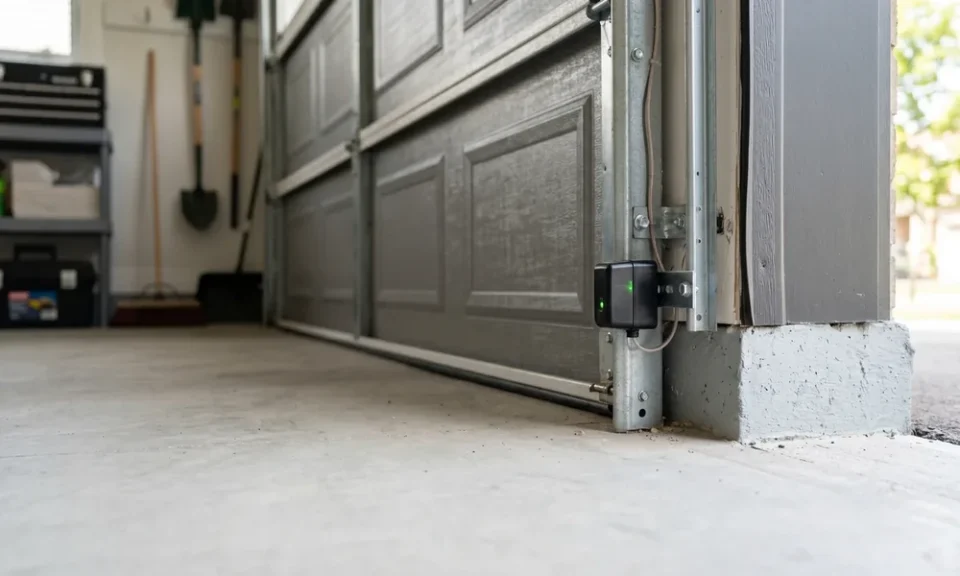
When your garage door refuses to close, it’s often more than just an inconvenience. That stubborn red or yellow sensor light glaring from the bottom of your doorframe might be the only thing standing between you and a safe, smoothly operating garage door. Safety sensors keep your family and property protected, but only if they’re working in perfect harmony.
Why Garage Door Safety Sensors Matter
The Role of Safety Sensors in Garage Door Operation
Safety sensors serve as your garage door’s first line of defense against accidents and injuries. By projecting an invisible beam from one side of the garage to the other, these small devices instantly halt closing if anything interrupts the path. Children, pets, and even your car benefit from this automatic safeguard. If the sensors lose alignment or get blocked, your entire garage door system can grind to a halt.
Common Problems Caused by Misaligned Sensors
Misaligned sensors quickly turn convenience into frustration. The door might stop halfway, reverse unexpectedly, or refuse to budge even when nothing seems wrong. Often, a flashing sensor light or a persistent refusal to close signals that the sensors need attention. In busy households, misalignment tends to be the result of accidental bumps, vibration, or shifting over time.
Risks of Ignoring Sensor Issues
Ignoring a sensor problem isn’t just inconvenient, it’s dangerous. Without properly aligned sensors, your garage door can close on objects, pets, or people. In severe cases, broken sensors can lead to unexpected property damage or injuries. That’s why experts stress the importance of prompt inspection and adjustment.
Diagnosing Garage Door Safety Sensor Alignment Problems
Signs Your Sensors Are Misaligned
If your garage door only closes partway and then reverses, or you notice blinking lights on one or both sensors, misalignment is a likely culprit. Sometimes, the sensors may not light up at all, or their LED indicators show different colors than usual. Inconsistent operation is a telltale sign that something is off.
Tools and Techniques for Sensor Inspection
A simple visual check is often enough to spot trouble. Look for dirt, cobwebs, or objects blocking the sensor path. Use a level to check if both sensors are mounted at the same height on either side of the door. If one is even slightly off, the infrared beam won’t connect, triggering safety mode.
When to Call a Professional
Not every problem is DIY-friendly. For stubborn alignment issues or if you suspect faulty wiring, it’s safer to consult a qualified technician. Companies like Door Doctor garage door repair have the specialized equipment and expertise to handle more complex repairs.
How to Realign Garage Door Safety Sensors
Preparing for Sensor Realignment
Before adjusting anything, disconnect the power to your garage door opener. Gather a soft cloth, a level, and a screwdriver if your sensors are mounted with screws. Clean the sensor lenses gently to remove dust and debris.
Step-by-Step Sensor Alignment Process
1. Loosen the mounting brackets holding the sensors in place.
2. Adjust both sensors so they face each other directly at an equal height, usually about six inches above the ground.
3. Use a level to ensure they sit parallel. This step prevents future misalignment from vibrations or accidental nudges.
4. Tighten the mounting screws carefully without shifting the position.
5. Restore power and check the sensor indicator lights.
Testing Sensor Functionality Post-Alignment
With power restored, try closing the garage door. As the door moves, wave an object in front of the sensors. The door should immediately stop or reverse. If so, your alignment is spot-on.
Preventing Future Sensor Misalignment
Routine Maintenance Tips for Sensor Health
Weekly or monthly, wipe the lenses clean and check for debris. Examine the brackets for signs of loosening or wear.
Environmental Factors That Affect Sensor Alignment
Extreme temperatures, water exposure, and pests can all play a role in knocking sensors out of line. Protecting your garage from excessive moisture and keeping it clutter-free will help ward off most sensor problems.
Upgrading to More Reliable Sensor Systems
If misalignment is a recurring issue, consider upgrading to modern sensors with self-calibrating features. Newer models often resist vibration and environmental interference better than older systems.
Troubleshooting Persistent Sensor Issues
Common Sensor Malfunctions Beyond Alignment
If the door still misbehaves after alignment, check for faulty wiring, power supply interruptions, or physical damage to the lenses.
Quick Fixes for Sensor Obstructions and Dirt
Sometimes, a simple cleaning is all it takes. Gently wipe away grime and inspect for spiderwebs or leaves blocking the beam.
When Sensor Replacement Is Necessary
If sensors refuse to power on, remain dim, or show visible cracks, replacement is likely the safest solution. Professional installers can ensure compatibility and proper setup.
Taking Action: Ensuring Long-Term Garage Door Safety
Creating a Regular Safety Check Schedule
Consistency is key. Set a reminder for monthly checks on your garage door sensors, adding the task to your home safety list alongside smoke alarms and locks.
Hiring Qualified Garage Door Professionals
For repairs you can’t confidently tackle, don’t hesitate to hire experienced technicians. Their expertise can save time, prevent injuries, and extend the life of your garage door system.
Emergency Steps for Sensor Failure During Operation
Should your sensors fail mid-operation, disconnect the opener and operate the door manually until repairs are made. Never ignore recurring issues; prompt action protects everyone who passes through your garage.
Properly aligned safety sensors are fundamental to a secure home environment. With regular checks and timely repairs, you’ll keep your garage, and everyone who uses it, safe and sound.
