
Monsoons in India can be intense and unpredictable. Heavy rainfall, humidity, and poor drainage often lead to damp walls, leakage, and long term structural damage. Many homeowners turn to quick fixes, but not all solutions last. Effective waterproofing requires the right materials, proper application, and regular maintenance. By combining durable methods with supportive products like waterproof paints and even routine care using tile cleaner, you can protect your home through extreme weather.
Identify Problem Areas First
Before choosing any solution, it is important to identify where water enters your home. Common problem areas include terraces, roofs, external walls, bathrooms, and window joints.
Cracks in walls or ceilings allow water to seep in during heavy rains. Poorly sealed joints around windows and doors can also cause leakage. In bathrooms, water often penetrates through tile joints and grout lines.
A proper inspection helps you choose the right waterproofing method instead of applying temporary fixes that fail during peak monsoon.
Terrace and Roof Waterproofing
The terrace is one of the most exposed areas in any home. Continuous rainwater accumulation can lead to seepage into ceilings.
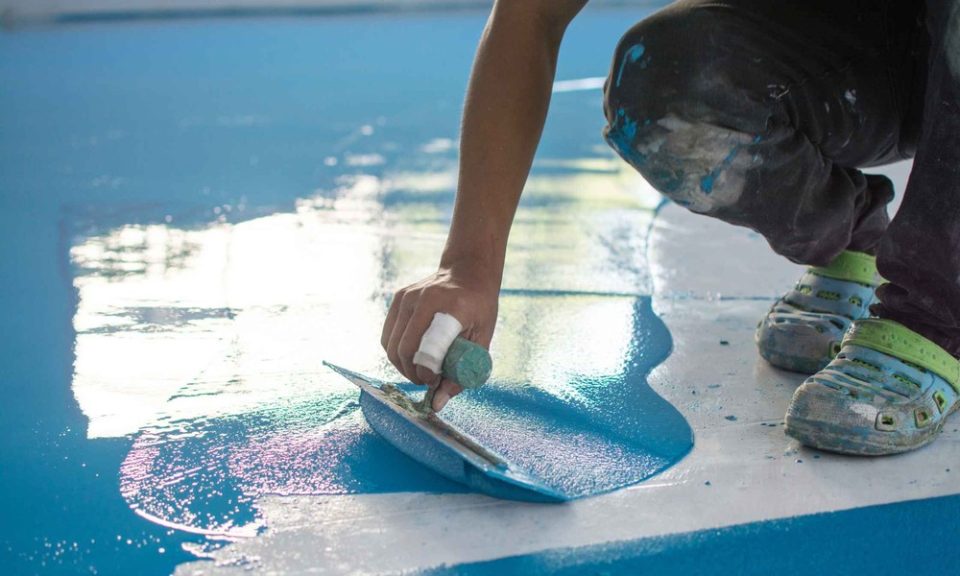
Liquid waterproofing membranes are a reliable solution. These coatings form a seamless layer that prevents water penetration. Cement based waterproofing is another durable option, especially for older buildings.
Slope correction is equally important. Water should not stagnate on the terrace. Proper drainage systems ensure that rainwater flows away quickly, reducing the risk of leakage.
Applying waterproof paints on terrace surfaces can add an extra protective layer. These paints resist water absorption and help extend the life of the structure.
External Wall Protection
External walls face direct exposure to rain and moisture. Over time, this can cause damp patches, peeling paint, and cracks.
High quality waterproof paints are essential for exterior surfaces. They create a barrier that prevents water from entering while allowing the wall to breathe. This reduces the chances of trapped moisture and mold growth.
Crack filling is a crucial step before painting. Even the best waterproofing solution will fail if cracks are left untreated. Sealants and fillers should be applied to ensure a smooth and sealed surface.
Regular maintenance also matters. Repainting external walls every few years helps maintain protection against harsh weather.
Bathroom Waterproofing
Bathrooms are one of the most vulnerable areas for water damage. Continuous exposure to moisture can weaken walls and floors over time.
Proper waterproofing should be done beneath tiles during construction or renovation. Membranes and coatings applied under the surface prevent water from seeping into the structure.
Tile joints and grout lines should be sealed properly. Over time, these areas can wear out and allow water to pass through. Using a good tile cleaner regularly helps maintain hygiene and prevents buildup that can damage grout.
Reapplying sealants when needed ensures long term protection.
Windows, Doors, and Joints
Leakage often occurs around windows and doors due to poor sealing. During heavy rain, water can easily enter through gaps.
Silicone sealants or weatherproofing compounds can close these gaps effectively. These materials remain flexible and can withstand temperature changes and moisture.
Check these areas before the monsoon season. Early maintenance can prevent bigger issues later.
Interior Protection and Maintenance
Even with strong external waterproofing, interior care is important. Damp spots or peeling paint inside the house should not be ignored.
Waterproof paints can be used on interior walls in moisture prone areas. They help prevent stains and improve durability. Proper ventilation also reduces humidity levels, lowering the risk of mold growth.
Regular cleaning plays a role too. Using tile cleaner in kitchens and bathrooms helps maintain surfaces and prevents long term damage caused by grime and moisture buildup.
What Actually Works in Extreme Monsoons
The most effective waterproofing strategy is a combination of methods rather than a single solution. Surface coatings, structural repairs, proper drainage, and regular maintenance all work together.
Quick fixes like patchwork painting may offer temporary relief but often fail during heavy rainfall. Investing in quality waterproofing materials and professional application ensures long lasting protection.
Conclusion
Waterproofing is essential for every Indian home, especially in regions with heavy monsoons. By addressing problem areas, using reliable waterproof paints, maintaining surfaces with tile cleaner, and ensuring proper sealing, you can protect your home from water damage.
A well planned approach not only prevents leakage but also extends the life of your structure. With the right solutions in place, your home can stay dry, safe, and comfortable even during the harshest monsoon seasons.
