
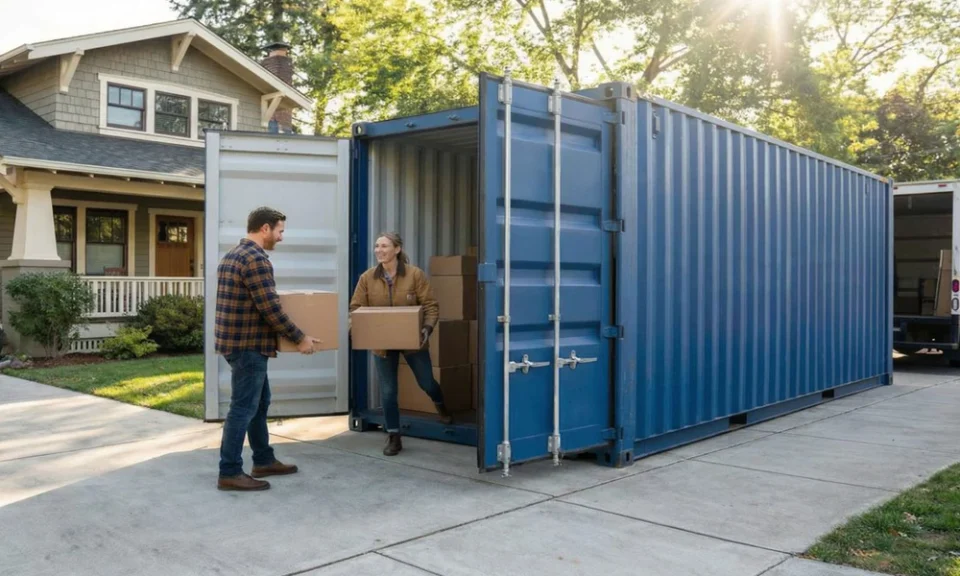
You already know a container can solve storage, workspace, or project needs. What you need now is a clean path to a smart buy. I focus on practical choices that hold up in Montana’s climate, pass site checks, and deliver value over time. The steps below reflect what I look at on real projects across the state, from small lots to ranch properties.
If you are scanning conex boxes for sale, use the points below to narrow your options fast, and avoid avoidable costs and delays.
Start With Use Case and Size
Define the job first. I ask three questions:
- What are you storing or building now, and what might you add within a year?
- How much access do you need at the doors each week?
- Where will the box sit, and how much straight, clear space do you have for delivery?
From there, size selection gets simple.
- 20-foot container: Fits tight sites and most residential pads. Interior is about 19 feet 4 inches long, 7 feet 10 inches high, and 7 feet 8 inches wide. Doors measure about 7 feet 8 inches by 7 feet 5 inches. Tare weight is about 4,920 pounds.
- 40-foot container: Best for volume, bulk materials, and equipment. Interior is about 39 feet 5 inches long, 8 feet 10 inches high, and 7 feet 8 inches wide. Doors measure about 7 feet 8 inches by 8 feet 5 inches. Tare weight is about 8,600 pounds. Some units come in high-cube height.
If you plan to add shelving or a workbench, note interior heights and door clearances before you buy.
New One-Trip vs Used
I break this choice into three factors: condition, appearance, and budget.
- New one-trip: Minimal wear, tight seals, clean interior, and clean exterior. Ideal for retail, job sites with client traffic, or projects that need a tidy look.
- Used: Lower price, solid structure, wind and water tight. Expect faded paint, dents, and surface rust. If your priority is storage, this often hits the mark.
Either way, inspect the doors, gasket seals, roof integrity, and floor. On used boxes, look for soft flooring at the door threshold and pooled rust spots on the roof.
Weather and Durability in Montana
Montana brings freeze-thaw cycles, high winds, snow, and dust. I keep a short checklist:
- Roof: Check for ponding or thin patches. A sound roof is non-negotiable.
- Doors: Open and close both leaves. Doors should move with steady effort and lock fully.
- Seals: Inspect the door gaskets for cracks. Shut yourself inside for a quick light test if you can. You should not see light at the seams.
- Paint and rust: Surface rust is normal on used units. Scale or deep pitting near seams is not.
If you need temperature stability, plan for insulation and a venting plan. Even simple passive vents help reduce condensation swings.
Site Prep and Placement
Delivery is often the make-or-break step. A tilt-bed truck needs room to line up and unload.
- Provide about 70 feet of straight, clear space for a 20-foot unit.
- Provide about 100 feet for a 40-foot unit.
- Confirm solid ground and gentle grade where the rear of the trailer will tilt.
Set the container on railroad ties, timbers, or concrete blocks at the corners. This helps drainage, door swing, and long-term floor health. If the site holds water after a storm, raise the container off grade and add gravel.
Permits, HOA, and Utility Checks
Before you schedule delivery, call for utility locates and review local rules.
- Confirm property lines and easements.
- Check city or county rules on structures and setbacks.
- Review HOA standards on appearance and placement.
- Plan truck access that avoids overhead lines and tree limbs.
These steps prevent red tags and expensive re-sets later.
Security and Modifications
Security starts with good doors and ends with a lock plan. I suggest:
- Lock box or puck lock system.
- Internal hasps for shelving or tool cages if you need zones inside.
- Lighting and a power plan if you will work inside.
- Windows, roll-up doors, or personnel doors only through qualified fabricators.
If you plan a workshop, office, or retail-facing use, ask about insulation, electrical, and finish options before you buy. Cutting into the unit after delivery can raise costs and extend timelines.
Why I Recommend MoCan Containers
You have many ways to source a container. I like MoCan Containers for Montana buyers for a few reasons that reduce friction and risk.
- Local focus: They are a Montana company with yards in Billings and Bozeman. That cuts delivery time and helps with site reviews.
- Choice on the ground: You can inspect units and pick the exact box you want, not just a stock photo. This saves you from surprises.
- Clear condition tiers: New one-trip and used options are organized and checked for wind and water tight integrity.
- Proper delivery: Tilt-bed placement with drivers who understand Montana sites. They review access needs in advance.
- Flexibility: Buy or rent 20-foot and 40-foot containers. High-cube options may be available. They also handle custom modifications and container moving.
If you want a permanent unit or plan to customize, they can support that. If you only need storage for a season, their rental options keep costs in line.
Budget Planning That Holds Up
Price is only part of the math. I suggest you plan for:
- Delivery and placement fees based on distance and site access.
- Simple site prep materials like gravel and timbers.
- Lock upgrades and basic ventilation.
- Future modifications you might add within a year.
A used unit with the right upgrades can beat a new unit if the application is pure storage. A one-trip unit pays off if you need clean presentation or plan a high-visibility workspace.
Quick Pre-Purchase Checklist
Use this list before you sign:
- Confirm size, height, and door clearances against what you store.
- Inspect roof, doors, seals, and floor.
- Verify wind and water tight status.
- Measure site access and straight-line space for the truck.
- Plan foundation blocks or ties and drainage.
- Check local rules, HOA limits, and utilities.
- Price delivery, locks, vents, and any near-term modifications.
The Bottom Line
A good Conex box should feel simple. It should arrive on time, sit level, open and close without struggle, keep weather out, and fit your space. If you follow the steps above, you will avoid the common mistakes and pick a unit that serves you for years.
If you want a Montana-first source with real inventory, MoCan Containers is worth a serious look. They combine selection, local yards, and delivery skills that match the ground you live on. That is what turns a shipping container into a dependable asset on your site.
