
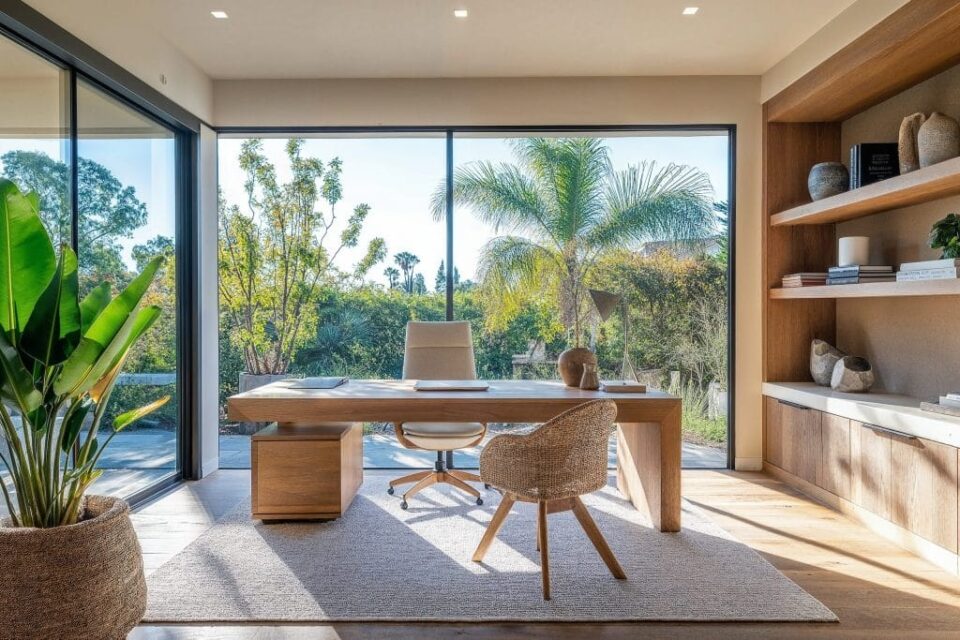
In 2025, the home office is no longer just a temporary nook for occasional remote work—it’s a permanent fixture in Australian households. Whether you’re a full-time remote worker, a hybrid professional, or simply need a productive space for focused tasks, home office design plays a critical role in productivity, wellbeing, and work-life balance. The modern home office must marry function with flair, blending stylish aesthetics with ergonomic and health-conscious choices.
Start with the Right Layout
Before diving into furniture or décor, assess your space and workflow needs. A well-planned layout not only improves visual appeal but significantly boosts your daily efficiency. The classic rectangular desk is being surpassed by more flexible options like the l shaped desk, which offers ample workspace and comfortably fits into corners. This shape allows dual-monitor setups, dedicated writing space, and effortless zoning of tasks.
When designing a layout, consider natural light sources, access to power outlets, and how noise levels change throughout the day. Zoning your space with rugs, bookshelves or indoor plants helps visually separate your workstation from the rest of your home—even in open-plan areas.
Function Meets Style with the Right Furniture
Incorporating a sense of style into your office doesn’t mean sacrificing functionality. The key is to select multi-purpose pieces that complement your home’s interior while supporting long-term use. Think smart storage units that double as side tables or sleek desks with cable management built-in. But no element is more important for health and comfort than your seating.
Mid-way through your workday, you’ll quickly notice the difference a proper chair makes. A poorly designed chair leads to lower back pain, poor posture, and fatigue. A leather office chair strikes the perfect balance—providing professional aesthetics while offering ergonomic support, lumbar cushioning, and adjustable features that promote good posture.
To maintain synergy between pieces, coordinate colours and finishes across your furniture. For example, walnut desks and tan leather chairs can convey warmth, while black-and-white minimalist combos suggest a clean, focused environment. Matching isn’t necessary, but cohesion helps the space feel curated and intentional.
Let Lighting Lead the Way
Lighting has a major influence on mood and productivity. Natural daylight is best, but it needs to be supplemented, especially during early mornings or cloudy winter days. Use a three-point lighting strategy: overhead lights for general brightness, task lighting at your desk for reading and writing, and ambient lighting like a floor or salt lamp to reduce eye strain during long sessions.
Position your monitor perpendicular to windows to avoid glare, and use adjustable blinds to diffuse harsh sunlight. Smart bulbs can also be set to shift tone from cool to warm throughout the day, supporting your circadian rhythm while working.
Storage Solutions That Keep You on Track
Decluttering is the foundation of productivity. Use stackable filing cabinets, floating shelves, and cable organisers to maintain a tidy desk and open visual space. Home offices often serve multiple purposes—like guest rooms or studies—so choose storage solutions that can be closed or concealed when not in use.
Wall-mounted pegboards, drawer inserts, and document trays all help prioritise your most-used items and reduce time wasted searching. If you deal with physical samples, plans, or reference materials, vertical storage solutions will help maximise floor space.
Wellness and Air Quality Matter Too
With long hours spent indoors, indoor air quality becomes a key part of your home office’s effectiveness. Poor ventilation or dusty environments can trigger headaches, dry skin, and fatigue. Investing in a desk top air purifier can make a surprising difference to your alertness and respiratory health. Compact purifiers are now available with HEPA filters and whisper-quiet motors, making them ideal for desk-side placement.
Adding plants like peace lilies or snake plants can further help purify air naturally while adding a calming, biophilic element to the room. The result is a healthier and more aesthetically pleasing workspace that supports both physical and mental wellbeing.
Hybrid Work Is Here to Stay
The rise of hybrid work means many professionals are no longer tethered to a single location. Instead, they split their time between a corporate office and their home office. This shift increases the importance of creating a flexible, high-performance workspace at home that can accommodate a full range of tasks, from deep-focus work to video conferencing and team collaboration.
A well-designed home office must function as a multi-purpose environment. It should be equipped not only for quiet concentration but also for calls, file-sharing, and even impromptu creativity sessions. Adjustable lighting, acoustic treatments, and mobile storage options can help make these transitions seamless. Consider investing in furniture that is adaptable—such as desks with height-adjustment features or chairs with rolling casters—to better support the ebb and flow of hybrid routines.
The Psychology of Colour and Space
Colour has a psychological impact on focus, mood, and energy. Soft greens and blues are known to have calming effects, making them ideal for reducing stress during intense workdays. In contrast, warmer tones like orange or yellow can inject vibrancy and encourage creative thinking. Use colour intentionally—on walls, furniture accents, or even desk accessories—to reinforce the mood you want to cultivate in your workspace.
Spatial awareness also contributes to mental clarity. A cramped or visually busy area can feel stressful and overwhelming. That’s why designers recommend leaving a portion of your desk clear, using negative space to enhance mental clarity. Large artwork or a mirror on the wall opposite your desk can make smaller rooms feel more expansive and comfortable, adding both elegance and practicality.
Personalise to Stay Inspired
Your home office should reflect your personality and passions. Surround yourself with things that spark joy or creative energy—a rotating gallery of art prints, a shelf of favourite books, or even a pinboard of future goals. Use textures like a wool rug, linen curtains, or bamboo desk organisers to layer warmth and comfort into your space.
Music is another underrated design element. A small speaker setup or noise-cancelling headphones can create a custom soundscape that boosts focus or provides relaxation between tasks. Even scent diffusers or candles can help define your “work mode” mentally and emotionally.
Conclusion: Where Style, Comfort and Focus Align
Designing a home office in 2025 is no longer just about making do—it’s about making better. From smart layouts to stylish and supportive furniture, and from ambient lighting to air quality, every choice shapes your productivity and wellbeing. Whether you’re working full-time or part-time from home, investing in smart upgrades like a l shaped desk, a supportive leather office chair, and a healthy desk top air purifier isn’t just about aesthetics—it’s a commitment to your best workday, every day.
