
Key Takeaways
Waterproofing elastomeric coating offers a sturdy solution for both commercial and industrial surfaces, ensuring resistance against cracking and various types of damage due to its inherent elastic properties. It significantly enhances surface durability while accommodating considerable movement during temperature fluctuations.
Beyond that, this coating acts as a barrier against water damage, mold, and mildew, which translates into reduced repair costs and a prolonged lifespan for roofs and decks. This form of protection becomes increasingly critical for surfaces exposed to severe weather conditions.
Furthermore, elastomeric coatings contribute to improved energy efficiency by limiting heat absorption, which helps keep indoor environments cooler and translates into lower energy bills. This offers a noteworthy return on investment for businesses.
Aesthetic versatility is another key benefit of elastomeric coatings. They can be color-tinted to align with branding or architectural styles, thus elevating curb appeal and visual impact.
Best practices for application involve meticulous surface preparation, adherence to temperature guidelines for optimal curing, and conducting regular inspections to maintain the coating’s integrity while extending its lifespan.
Regular maintenance, including cleaning and immediate repairs, is crucial for ensuring the ongoing performance and appearance of elastomeric coatings over time.
Elastomeric coatings shine particularly bright when used on commercial decks and industrial floors. They create protective barriers against wear, chemical spills, and contribute to a safer, cleaner work environment.
Proven Advantages of Waterproofing with Elastomeric Coating
How Elastomeric Coating Enhances Surface Resilience
The introduction of waterproofing elastomeric coating offers an innovative solution tailored for commercial and industrial surfaces. With elastic properties facilitating significant movement and expansion, this coating becomes essential in settings where temperatures fluctuate. Clients frequently notice that surfaces treated with elastomeric coatings exhibit remarkable resilience, resisting cracks and damage that rigid materials cannot tolerate. Its elasticity allows surfaces to breathe while effectively curbing moisture intrusion.
Experts assert that selecting the appropriate elastomeric coating can greatly enhance the longevity of roofs and decks. By forming a robust barrier, this coating not only guards against water damage but also reduces the likelihood of mold and mildew-two persistent threats to outdoor surfaces. Such multi-layered protection ultimately leads to considerable cost savings in repairs over time.
But what does this mean in practical terms? Picture a commercial property enduring extreme weather. Elastomeric coatings stand up to UV rays, rain, and intense heat without losing their effectiveness. Clients report significantly fewer maintenance interruptions thanks to the durability this coating provides.
Benefits Beyond Waterproofing: Energy Efficiency and Aesthetic Appeal
It’s important to recognize that waterproofing elastomeric coating does more than just protect surfaces from water. It also significantly enhances energy efficiency. For instance, reflective formulations can decrease heat absorption, helping maintain cooler interior spaces during warmer months. This leads to lower energy expenses, creating a clear return on investment.
Aesthetics shouldn’t be underestimated either; businesses frequently opt for elastomeric coatings to boost visual appeal. The option to tint these coatings in various colors allows property owners to synchronize exteriors with their branding or architectural styles. Well-maintained, vibrant surfaces not only improve curb appeal but also elevate the overall perception of a business.
- Improved durability: Resists cracking and peeling.
- Energy savings: Reflective properties help lower cooling costs.
- Aesthetic customization: Available in a variety of colors.
- Mold prevention: Helps reduce moisture retention.
- Less maintenance: Increases the time between renovation needs.
Common Applications That Thrive with Elastomeric Coating
Transforming Commercial Decks into Protective Barriers
Commercial decks encounter distinct challenges, particularly in high-traffic areas. Waterproofing elastomeric coating serves as an effective barrier against the wear and tear caused by foot traffic, equipment, and other environmental stressors. A single application can, in many instances, convert average commercial spaces into durable, water-resistant zones.
Consider those restaurants with outdoor seating or high-rise buildings boasting rooftop decks. These spots not only need aesthetic improvements but must also tackle significant weather-related challenges. Elastomeric coatings, while visually appealing, also play a vital role in enhancing usability and safety.
- Anti-slip options: Increase traction for enhanced safety.
- Color options: Align with branding and improve ambiance.
- Moisture barrier: Prevents water pooling and damage.
Elastomeric Coating for Industrial Floors: A Big Deal
Industrial floors face a different set of demands. Whether in manufacturing plants, warehouses, or distribution centers, these surfaces must endure heavy machinery, spills, and chemical exposure. Here, waterproofing elastomeric coating emerges as more than just a surface finish; it offers a high-performance solution capable of withstanding tremendous stress.
Professionals argue that applying elastomeric coatings to industrial floors fosters safer, cleaner working conditions. These surfaces are easier to clean, which minimizes downtime for maintenance and boosts productivity. The smooth finish of these coatings reduces the chances of dirt and debris settling in cracks and crevices, promoting a hygienic environment that complies with safety regulations.
“Choosing elastomeric coating is less about maintenance costs and more about ensuring operational efficiency.”
- Enhanced durability: Withstands heavy loads and impacts effectively.
- Resistance to chemicals: Protects against spills and staining.
- Easy application: Quick curing times lead to minimal downtime.
Application Best Practices for Optimal Results
Step-by-Step Process for Effective Coating Application
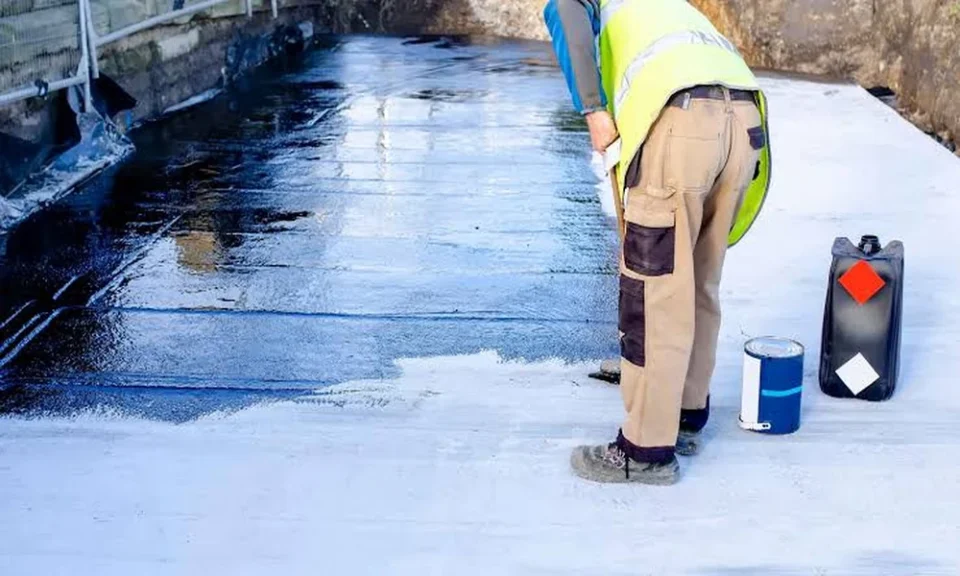
Applying waterproofing elastomeric coating requires a systematic approach. Professionals advise following a well-defined process to achieve optimal results. Here’s a typical outline:
- Surface Preparation: Thoroughly clean the area to eliminate dust, grease, and any old coatings.
- Repair any damages: Fix cracks or imperfections to facilitate a smooth application.
- Priming: If recommended, apply a quality primer for the best adhesion.
- Mixing the coating: Ensure the elastomeric coating is mixed according to the manufacturer’s guidelines.
- Application: Use a spray or roller to achieve even distribution; multiple coats may be necessary.
- Curing: Allow adequate time for curing as per manufacturer instructions.
Adhering to these steps significantly lowers the risk of surface failure while maximizing the coating’s longevity. Each step plays an important role in the overall success of the application.
Choosing the Right Conditions: Timing and Environment
Timing is critical when it comes to successfully applying waterproofing elastomeric coatings. Inappropriate conditions can undermine performance. Ideally, professionals recommend avoiding application on extremely hot or cold days. Generally, temperatures between 50°F and 90°F yield the best outcomes. Additionally, humidity levels can affect curing times, so keeping an eye on local weather forecasts is crucial.
Moreover, attention must be given to surface moisture. Applying a coating over a damp surface can lead to adhesion problems, ultimately shortening its lifespan. Timing the application effectively can truly influence the performance and durability of the coating.
- Optimal temperature range: Between 50°F and 90°F is ideal.
- Humidity checks: Monitor levels before you apply.
- Surface moisture: Ensure surfaces are thoroughly dried before application.
Maintaining and Extending the Life of Your Coated Surfaces
Routine Inspections: Signs Your Coating Needs Attention
Even the finest waterproofing elastomeric coating requires consistent maintenance to perform at its best. Routine inspections help identify potential issues before they escalate into costly repairs. Look out for signs like fading, peeling, or discoloration. Cracks or soft spots may indicate the need for touch-ups.
Professionals suggest inspecting surfaces at least twice a year. By staying proactive about minor issues, clients can prevent more serious problems in the future. After all, keeping surfaces in great shape preserves the initial investment made in quality coatings.
Expert Tips for Preserving Elastomeric Coating Longevity
To enhance the longevity of elastomeric coatings, clients should adopt several best practices. Here are some actionable suggestions:
- Regular cleaning: Remove dirt and debris to avoid premature wear.
- Avoid heavy loads: Stay mindful of weight limits.
- Prompt repairs: Tackle minor damages promptly to prevent escalation.
When surfaces are well-maintained, the advantages of waterproofing elastomeric coating can truly manifest. Upholding the integrity of these coatings provides lasting protection alongside aesthetic appeal.
FAQ
What type of surfaces can benefit from elastomeric coatings?
Elastomeric coatings can effectively safeguard a variety of surfaces, including roofs, decks, commercial flooring, and even facades. Their adaptability allows application across diverse materials, thus enhancing durability while providing moisture and UV protection.
How long does elastomeric coating typically last?
The lifespan of elastomeric coatings may fluctuate depending on application quality, environmental conditions, and maintenance practices. Generally, clients can expect a well-applied coating to endure for about 5 to 15 years, making careful upkeep vital for maximizing longevity.
Can elastomeric coatings be applied over existing surfaces?
Yes, elastomeric coatings can be effectively applied over existing surfaces, with the stipulation that proper preparation is undertaken. Thoroughly cleaning the surface and repairing any damages beforehand is essential to assure optimal adhesion and performance.
Are there specific brands of elastomeric coatings that are recommended?
Numerous professionals recommend reputable brands recognized for their quality and performance in elastomeric coatings. Selecting a product that meets specific application requirements and desired characteristics-such as UV resistance or flexibility-is critical for achieving the best results.
Is professional installation necessary for elastomeric coatings?
Though DIY enthusiasts can apply elastomeric coatings, involving professionals can often be advantageous. Experts bring the necessary experience and tools to guarantee proper preparation, application, and curing, thus maximizing the coating’s effectiveness and lifespan.
What maintenance is required for surfaces treated with elastomeric coatings?
Regular upkeep involves cleaning surfaces to eliminate dirt and debris, regularly inspecting for signs of wear, and addressing minor repairs promptly. Following a consistent routine ensures effective protection while maintaining the coating’s appearance throughout its lifespan.
Can elastomeric coatings improve the value of a property?
Yes, indeed. By enhancing durability and aesthetic charm, elastomeric coatings can significantly increase a property’s market value. Prospective buyers often appreciate well-maintained surfaces, making a property more appealing in competitive markets.
How do weather conditions affect the application of elastomeric coatings?
Weather conditions have a profound impact on the application of elastomeric coatings. Optimal temperatures ranging from 50°F to 90°F and low humidity levels are crucial for proper curing. Adverse weather can lead to inadequate adhesion or diminished performance, thus closely monitoring conditions is essential.
Useful Resources
- National Ready Mixed Concrete Association
- International Code Council Evaluation Service
- Consumer Reports
- Whole Building Design Guide
- Environmental Working Group
- United States Environmental Protection Agency
- Paint and Coatings Industry Association
- Centers for Disease Control and Prevention
- Occupational Safety and Health Administration
- ASTM International
