
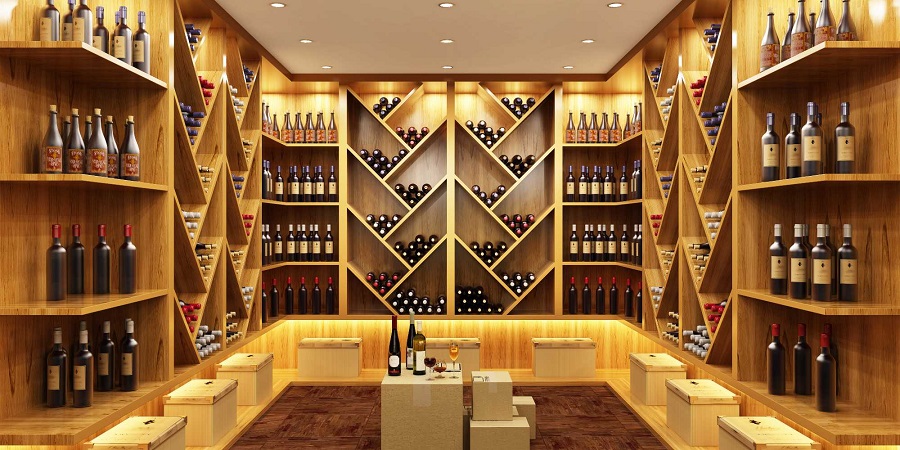
If you’re dreaming of making a private home wine cellar where you enjoy wine alone or with a close one and chit-chat over that, build a basement wine cellar. It is the best option for you for several reasons that we’ll explain further in this comprehensive guide. They are naturally damp, chilly, and dark, making them perfect for wine storage. A well-designed wine cellar preserves your wine and significantly raises the value of your house, regardless of whether you’re a dedicated collector or just a casual drinker. This guide will take you step-by-step through the process of building a wine cellar in your basement, covering everything from design advice to necessary equipment.
Why It’s Ideal to Store Wine in Your Basement
What makes basements the preferred location for wine cellars, then? Let’s explore it:
- Naturally Cool: Compared to other areas of the house, basements typically remain cooler. Given that wine ages best at a consistent temperature of 50 to 59°F, that is a victory. The ground that surrounds a basement acts as a natural insulator, reducing the need for powerful artificial cooling systems, which can be expensive and energy-intensive.
- Low Light: Wine hates UV rays: They destroy your lovely labels and tamper with flavour. Basements keep your bottles safe because they typically don’t get much natural light. By preventing UV rays and preserving the integrity of your wine, this absence of natural light ensures that every bottle ages well without losing its desired flavour profile. UV light has the potential to prematurely age wine, affecting its flavour and aroma.
- Naturally Insulated: With their earthy surroundings, basements help in preserving consistent temperature and humidity, which is essential for storing wine properly. The wine won’t be ruined by temperature swings thanks to this natural insulation. Furthermore, preserving the proper humidity levels prevents corks from drying out, which is crucial for the long-term preservation of wine.
- Vibration-Free: When vibrations disturb the sediment, it can affect how wine bottles age. Because basements are naturally stable, they are less prone to vibration than other parts of the house.
- Extra Space: Does your basement have a storage bin in that corner? It might be converted into a tasting area or perhaps a beautiful wine wall. Many homeowners fail to see the possibilities of their basement space, which may be transformed into a useful and beautiful wine cellar, giving the house a unique aspect.
- Adds Home Value: Wine cellars are seen as luxury additions that can significantly increase the appeal of your house, particularly to wealthy purchasers. A well-designed wine cellar adds to the overall atmosphere and appeal of your house in addition to being a useful storage option and a topic of conversation.
Step-by-Step: How to Construct a Wine Cellar in the Basement
Step 1: Plan for Layout
Assess the wall space, ceiling height, and clearance for doors, cooling systems, and racks using a tape measure. When it comes time to install, even a basic drawing of your arrangement can be helpful.
Step 2: Getting a Permit for Building
You might need to get a building permit from your local government before you start construction on your wine cellar. Any construction project involving structural, plumbing, or electrical modifications to your house must include this stage.
Step 3: Insulate and Seal the Area
This is very important. Your wine cellar won’t keep the necessary conditions if it isn’t properly insulated. For energy efficiency and to avoid moisture problems, the best wine cellar insulation must be used.
Apart from this, installing flooring and wall finishes, choosing the right lighting and setting the cooling system are also very important.
