
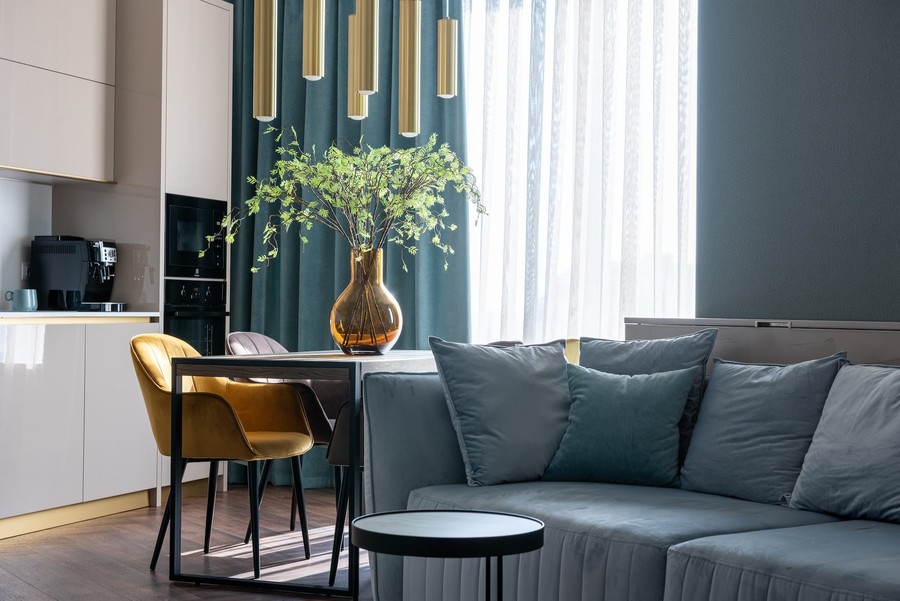
When designing a space that feels both harmonious and engaging balance is essential. One of the most effective yet often overlooked design principles is the 70/30 rule. This simple yet powerful approach helps create interiors that are visually balanced interesting and cohesive. If you are working with a residential interior designer Chester offers many experienced professionals who can help you apply this rule to transform your home with both style and purpose
So what exactly is the 70/30 rule and how can you use it in your own home
Understanding the 70/30 Rule
The 70/30 rule in interior design refers to the idea that approximately 70 percent of a room should follow a dominant style colour or material while the remaining 30 percent should consist of a contrasting or complementary element. This guideline helps you strike the perfect balance between unity and variation making your space feel polished without becoming bland or chaotic
Applying the 70/30 Rule to Colour Schemes
One of the most common ways to use this rule is through colour. For instance if you choose a soft neutral palette such as off white or light grey to form the foundation of your room this would make up the 70 percent. The remaining 30 percent could be made up of bold accent colours like deep blue rich green or burnt orange through accessories like cushions artwork vases or feature walls. The result is a space that feels calm yet dynamic
Mixing Furniture and Styles
The rule also applies to design styles. You might furnish 70 percent of your space with a modern aesthetic such as clean lines minimal decor and sleek materials. Then introduce 30 percent in a complementary style such as vintage rustic or industrial elements to add character and contrast. This method is especially useful for homeowners who want to blend styles without making the space feel disjointed
Layering Textures and Materials
A well designed space also benefits from a mix of textures. For example a bedroom might include 70 percent soft and smooth surfaces like cotton bedding and upholstered furniture while the remaining 30 percent features tactile materials like wood rattan or boucle. This not only adds visual depth but also creates a space that feels more inviting and comfortable
Why the 70/30 Rule Works
The reason the 70/30 rule is so effective is because it provides structure while allowing for creativity. Too much uniformity can feel flat and uninspired whereas too much contrast can be visually overwhelming. The 70/30 ratio allows you to introduce variety in a measured way maintaining flow while showcasing your personality and taste
The Benefits of Hiring an Interior Designer
While the 70/30 rule is straightforward putting it into practice can sometimes be more challenging than it seems. This is where hiring an interior designer can make a real difference
A professional designer has the experience to apply this rule subtly and effectively across different areas of your home. They will help you select the right dominant and accent elements that work with your space lighting and lifestyle. Designers also bring access to exclusive trade resources bespoke furnishings and high quality finishes you might not find on the high street
Additionally a designer can help you avoid costly mistakes by providing a clear vision from the start ensuring that your space feels cohesive and intentional. They know how to blend function and aesthetics so that your home not only looks beautiful but also supports the way you live day to day
Final Thoughts
The 70/30 rule in interior design is a smart and flexible principle that can help you create spaces that are balanced refined and full of personality. Whether you are decorating a new home or giving an old room a fresh feel this rule can act as a simple yet effective framework. And if you are unsure where to start or want to get it just right working with a professional interior designer can help you bring your vision to life with confidence and ease
